





What a clog that survives the plunger usually means in El Paso
A sink that drains slowly, then runs again after a plunger or a few turns of a hand auger, has a trap clog, and clearing it yourself is reasonable. A sink that clears for a week and slows again has a restriction your tool never reached. The number of affected fixtures places the problem. One slow fixture puts it in that trap or its branch. Every fixture slow, with the lowest drain in the building gurgling or holding water, puts it on the main. A drain that backs up only while the washer runs is loaded from upstream, which points to a shared branch or the main, wherever the water surfaces.
Drains in this county run through pipe from four different eras. Homes from the late 1800s through the 1930s carry cast iron drains and clay sewer laterals, and the postwar slab homes of the 1940s through the 1960s have cast iron under the slab. Cast iron corrodes from the inside out, so the wall roughens and paper and grease catch on it. Clay laterals are jointed in short sections, and in desert soil a weeping joint is the wettest spot around, so roots find it. That is how a line cleared last year backs up again this year. Homes from the 1970s onward run ABS or PVC drains and PVC laterals, and there a repeat clog usually points to a low spot holding water or grease at a kitchen branch.
Snaking your own drain works on a trap or a short branch, and the cable's reach is where it stops. A cable can punch a hole through a soft clog and leave the water running. That feels like a fix while the root at the joint or the low spot stays in place. Chemical drain cleaner risks are practical ones. The liquid sits in the standing water above a restriction, reaches only what it touches, and lands on whoever opens the trap or cleanout next. Home drain cleaning tips that hold up are short. Plunge, use a hand auger on a trap, and keep grease out of the kitchen branch.
When to call a plumber for a clog comes down to one sequence. Roots at one clay joint catch paper and grease at that spot every day, and the main then backs up into the lowest fixture in the building with no warning. The early sign is a line that slows again after every clearing, and that repeat is the reason to call before the backup. Once the lowest drain holds water, stop every water use including the washer and dishwasher, keep people and pets out of the wet area, and do not plunge a line that is already full.
If this sounds close but not quite your situation, safe drain cleaning products may be the better starting point.
We install and service equipment from major manufacturers like Rheem to manufacturer specifications.
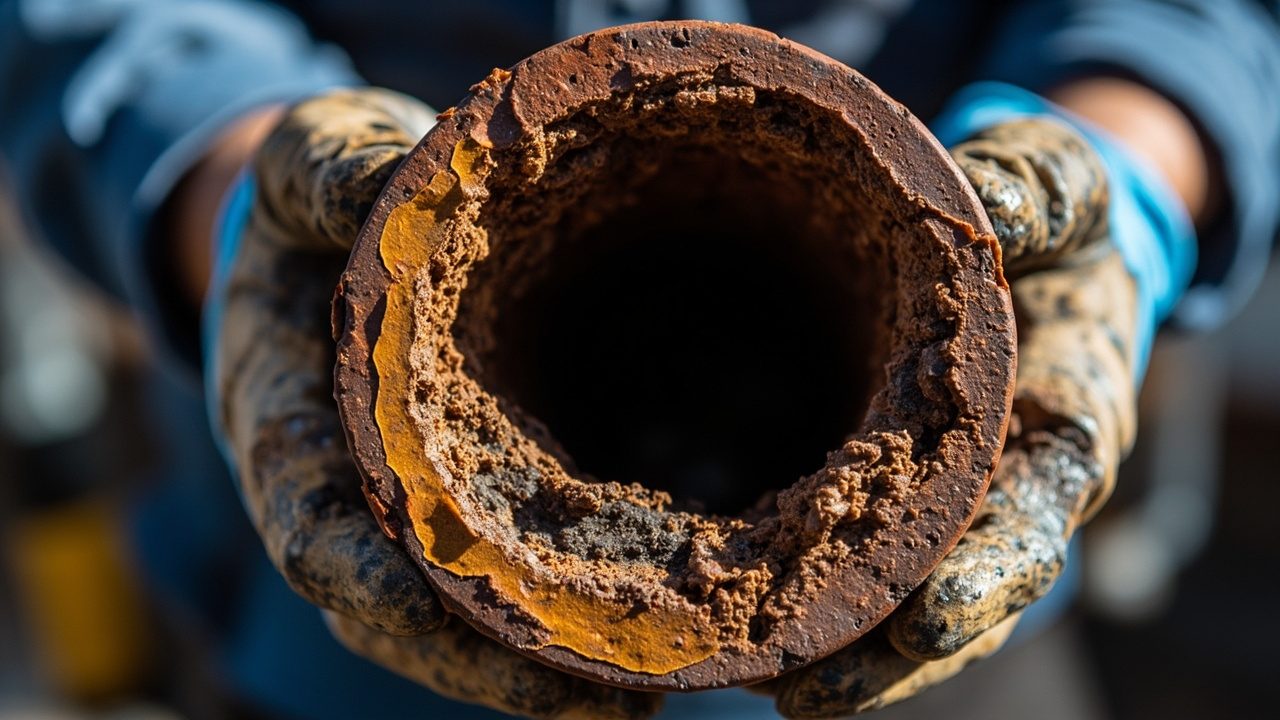
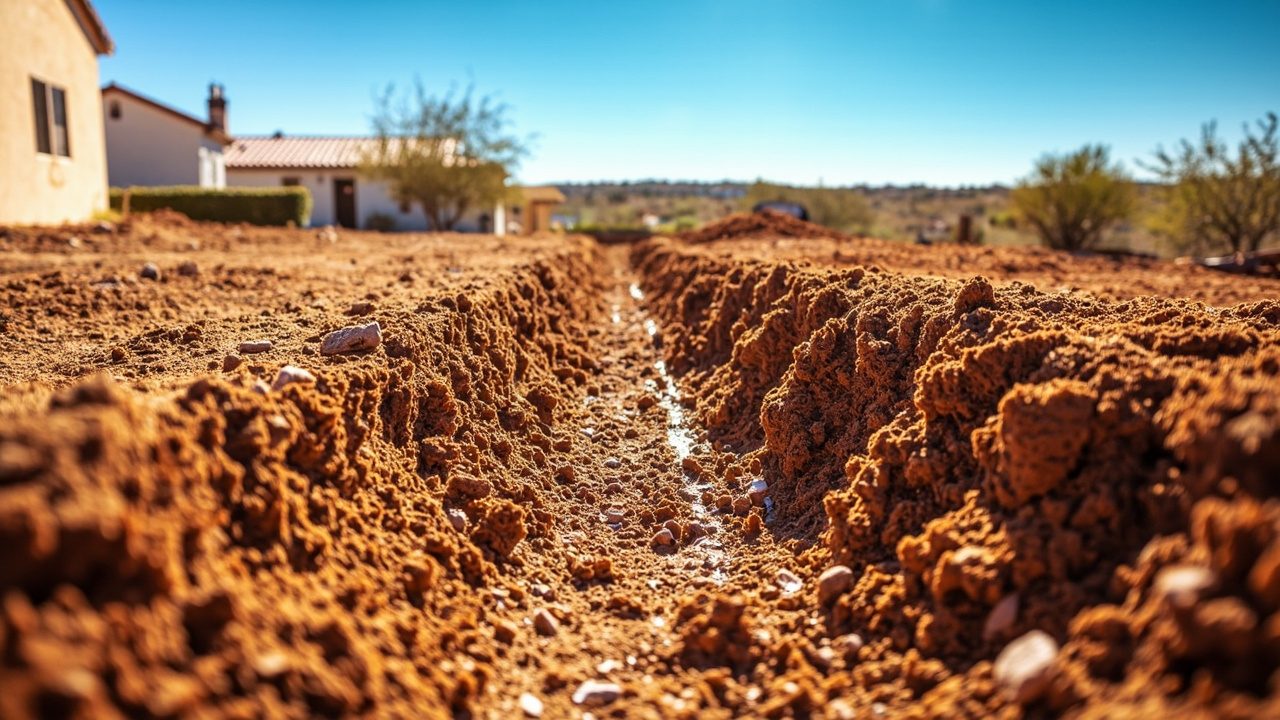
How we read the line before we choose a tool
Isolation comes first, because the fix depends on where the water is going. You tell us which fixtures are slow, and that halves the system before a tool comes out. One fixture points to its trap or branch, so the p trap comes apart over a bucket and a hand auger goes into the branch. Every fixture points to the main, so the line gets cleared from a cleanout. Clear it first and camera it second, because a full line shows nothing but water. Once the line runs clear, the scope enters at the cleanout with a locator probe and turns the symptom into a spot and a depth. Nothing gets opened until that picture exists, and the repair is written from it.
The camera reading sets the scope. A good picture is continuous fall to the main, clean joints and the pipe wall visible the whole run, which means the clog was one event and clearing was enough. Standing water part way along a level run is a belly in the line, and a belly means the stretch gets re laid, because a cable cannot raise a low spot. Roots at a joint put the repair at that joint, and the locator reads the depth so the dig is sized before it starts. Grease at a kitchen branch reads differently again, as a coated wall with sound joints, which jetting addresses. A homeowner who sees a clean run gets a clearing and nothing more. One who sees roots gets a repair scoped to the joint, with the footage as the reason.
Cast iron against PVC or ABS is the comparison that decides most drain repairs here, and the local housing stock decides it. Homes from the late 1800s through the 1960s carry cast iron drains, some under the slab, and homes from the 1970s onward carry ABS or PVC. Cast iron is heavy and quiet and corrodes from the inside over decades, while plastic is lighter, faster to install and louder through a wall. When the camera finds one bad section in an older run, a partial replacement takes a proper no hub transition band in place of glue, and the cast iron on either side stays. On a clay lateral the choice is lining against open cut. Lining cures a new pipe inside the old one and needs a host pipe that is still round. Open cut restores full diameter and lets slope be corrected. Caliche hardpan slows any dig in the desert soil, which pushes a round lateral toward lining and a belly toward open cut, since lining cannot correct slope.
See storm drain cleaning & repair for how the related work is scoped and priced.
Narrow this to two options before calling, then ask which one suits the house.
| Option | The numbers a buyer weighs | Best suited to |
|---|---|---|
| Cast iron drain against PVC or ABS | Cast iron is heavy and quiet and corrodes from the inside over decades | Drain replacement under a finished house |
| Salt softener against a salt free conditioner | An ion exchange softener removes hardness minerals and needs salt and a drain | Hard water houses weighing salt against upkeep |
| Trenchless lining against open cut replacement | Lining cures a new pipe inside the old one with a small loss of inside diameter | Runs under a slab, a drive or mature trees |
How a drain cleaning call runs
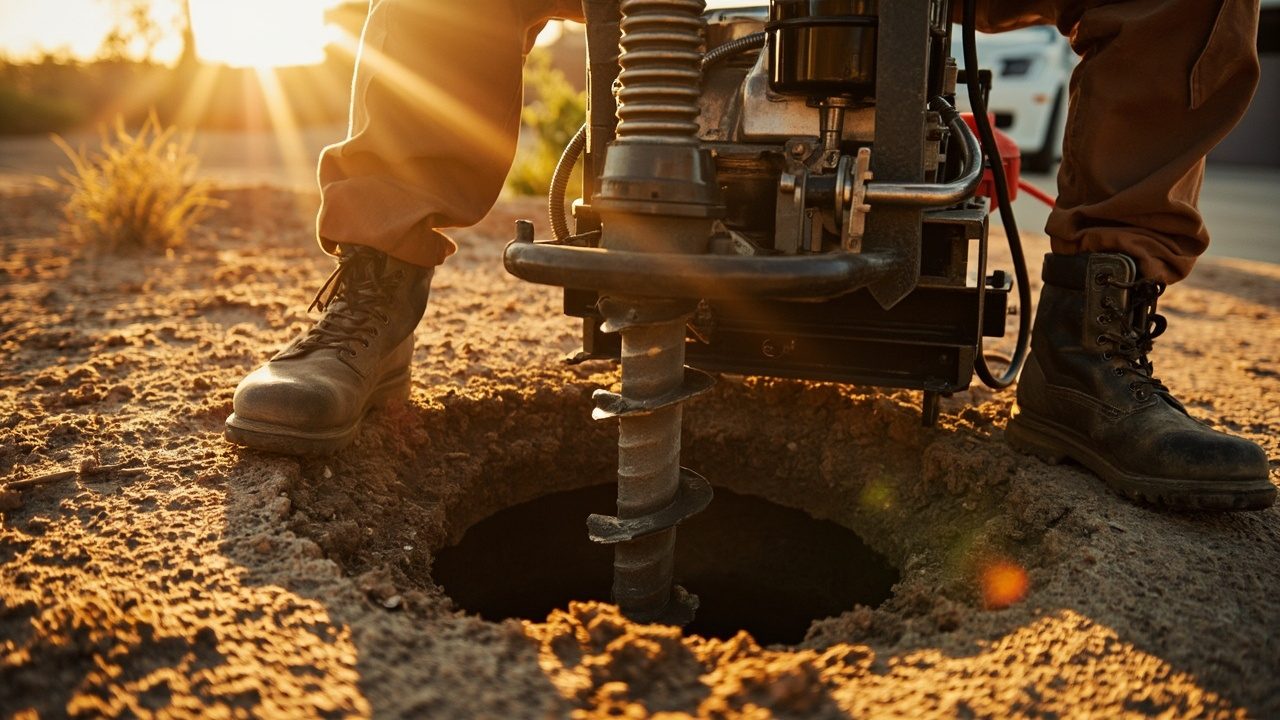
First call and camera
On the phone we ask which fixtures are slow, which drain is lowest and how often the line has been cleared, which halves the system before anyone arrives. On site the trap or branch is cleared first with a hand auger, since blockages near fixtures hide the actual obstruction. The camera enters from the cleanout with a locator attached, and you observe the findings in real time. The locator marks the excavation point and records the depth reading. No digging begins until the video confirms the problem location and the work scope is documented from that evidence.
Approval and the work
Once you approve the written scope, water use in the building or on the affected branch stops so nothing loads the line. Hydro jetting comes next for grease or scale along a run the camera showed as sound, and a spot repair comes next where the camera showed roots or a crack. The bad section is cut out and new pipe is joined to old with a no hub transition band, set on continuous fall to the main. If the opening turns up more, such as a second bad joint behind the first, we stop and show you before going further, and the change goes in writing.
Test and handover
Before we leave, the camera goes back through the repaired or cleared run and has to show continuous fall, joints without debris, and unobstructed pipe wall from end to end, matching the baseline image from the start. Then water runs through the lowest fixture in the building and the other drains, and none of them may gurgle or hold water. The cleanout cap is closed and the floor around each fixture is wiped. We walk you through the footage, and you keep the written scope with a note of what the camera found.
What an unfamiliar crew gets wrong on drain work in this county
Permit and inspection rules for plumbing are set locally, and the local authority makes the final call on any job. Clearing a drain and running a camera through it usually needs no permit. A main line repair or replacement usually does, and a repair that opens the ground is the kind of work the authority looks at. Which work needs one and which does not gets confirmed with the authority before the scope is written. Camera footage of the bad section, taken before anything is cut, gives that conversation something concrete to start from.
Unfamiliarity shows up as four concrete mistakes on drain work here. A crew that treats every home as plastic arrives without a no hub band and glues a transition onto cast iron, which fails at the joint. A crew that quotes a lateral dig as if the soil were soft meets caliche hardpan, and the scope changes after the trench is open. A crew that clears a clay lateral with a cable, watches the water run and leaves has left the root at the joint, so the line backs up again into the lowest fixture. A crew that skips the cleanout camera on a cast iron line under an older slab misses a crack that only shows as a slow drain.
Calls arrive from across the county, from older central neighborhoods with mixed pipe to newer subdivisions on the east and west sides with PVC drains and laterals. The phone questions sort those before anyone drives anywhere. Which fixtures are slow, how old the house is and whether a cleanout exists all change what goes on the truck. Postwar slab homes commonly have cast iron under the floor, so a crew expecting PVC arrives without the bands and the camera. Summer monsoon storms add their own pattern, since a floor drain that backs up only while it rains points to a cracked lateral loaded from outside the building, and the camera is how that gets confirmed.
Permit and inspection questions? Planning & Inspections is the office we coordinate with on every permitted El Paso job.
Working with Bedrock Plumbing El Paso on a stubborn drain
When someone arrives
You call, and we ask which fixtures are slow, whether the lowest drain in the house holds water, how many times the line has been cleared and whether it backs up only when the washer runs. Those answers sort a backed up main, which is a same day visit, from a slow single sink, which can be scheduled. You get the arrival window on that same call. If the job ahead of yours runs long, you hear it by phone instead of watching the driveway.
Protecting floors and fixtures
Before a trap comes apart, a drop cloth goes down and a bucket goes under the p trap. Tools stay staged on one path from the door to the work, and the camera and cable run from the cleanout where one exists, which keeps the work out of your living space. Wet material from a trap goes into a sealed container and leaves with us. The last thing done is running water through the fixture and wiping the floor around it.
What moves the scope
Access moves the job most. A cleanout you can reach keeps it small, and a trap behind a finished wall, tile or a slab adds opening and restoring that surface. Depth and length of any dig come next, and caliche hardpan lengthens both. One joint costs less than a whole run, and what the camera shows of the rest of the run decides which you need. Matching old pipe to new adds parts. The grade of fixture or valve you choose moves it up or down. You approve the written scope, built from the camera, before work starts.
How technicians are checked
A new technician rides with a lead before working alone, and the lead signs off on running the camera from a cleanout, reading the locator depth and joining cast iron to plastic with a no hub band. On a line that has been cleared several times, or a lateral with roots, a second technician looks at the footage before a scope is written. Changes to local plumbing rules get reviewed by the crew as they come.
You Have Questions,
We Have Answers
Cost depends on access, line length, and what the camera finds, so no honest figure exists beforehand. A cleanout at the property edge keeps a clearing short. A stoppage past a bend, or a run that needs a jetting pass after cable work, adds machine time. Grease-coated walls take slower passes than a single soft blockage. The written scope states the work before anything starts, so the number reflects what the pipe reveals.
The 135 degree rule calls for two 45 degree fittings in place of one sharp 90 degree turn. A long-sweep path lets solids keep moving with the flow instead of stalling at a hard corner. Horizontal-to-horizontal turns benefit most, since paper and grease drop out where velocity falls. A cable also passes through a gradual turn more easily, which matters when a line eventually needs clearing.
Homeowners can rent small jetters, but real hydro jetting needs training and the right nozzle for each pipe material. Water at high pressure can cut through a corroded cast iron wall or a brittle clay joint, and a forward-facing nozzle can drive a blockage deeper. Pressure, hose length and nozzle choice all change the result. A camera view first shows whether the wall can take it, and that decision is where hobby use goes wrong.
Yes, but the plastic barbed strips sold as pipe cleaners only reach a few inches into a sink drain. They catch hair near the strainer or pop-up stopper, which is where many bathroom sink clogs begin. Anything deeper, like a trap bend or a branch, sits beyond their reach. They cost little and suit a slow bathroom sink. They do nothing for a kitchen line coated in grease or for a main.
Plumbers warn against drain cleaner because the liquid sits above a blockage and only works on what it touches. Lye and acid formulas generate heat as they react, and that heat can soften PVC joints and stress older fittings. The chemical then stays in the standing water, so a plunger splashes it back at you. Afterward the plumber opening the trap has to handle a caustic mix, which is why the products used matter when you call.
Unclogging costs less when the blockage sits in a trap or short branch, and more in a deep main. A fixture with an accessible trap takes little time. A stoppage reached only through a roof vent or a pulled toilet takes longer, because setup and reset add labor. Repeat clogs raise the scope, since a camera pass is justified. Quoting a figure without seeing the line would mislead you.
Professional cleaning pays off when a clog returns, several fixtures are slow, or the lowest drain holds water. A professional clears the line and then runs a camera, which identifies the cause instead of only the symptom. Skipping that step is how a line gets cleared repeatedly and fails anyway. For one slow sink that a hand auger fixes for months, professional service adds little.
Price follows how many drains need clearing, how reachable each one is, and whether a camera or jetting pass follows. A single kitchen line with a cleanout is a short visit. Cleaning a whole house means working several branches and the main, with more setup time. Older cast iron with scale buildup needs slower passes than smooth PVC. The scope is explained before work starts, so you know what drives the total.
A 4 inch drain commonly serves several toilets, and the count comes from drainage fixture units in the plumbing code. Each toilet is assigned a fixture unit load, and the pipe diameter and slope set the total it may carry. A horizontal branch at a flatter slope carries less than the same pipe on a steeper one. The International Plumbing Code holds the actual table, and the local authority confirms it for your layout.
Plumbers recommend a cup plunger for sinks, a flange plunger for toilets, and a hand auger for traps. They also advise a mesh strainer over every drain and keeping cooking grease out of the sink, since grease hardens in a cool branch and narrows the bore. Hot water flushed after washing dishes helps a little on light film. Anything recurring belongs on a camera, since a tool cannot show what it left behind.
Why old cast iron and clay laterals change drain cleaning in El Paso
Drain cleaning here is shaped by the age of the pipe and by what the ground does to it. Housing from the late 1800s through the 1930s carries cast iron drains and clay laterals, and homes from the 1940s through the 1960s often have cast iron under the slab, where a crack means a slow drain and eventually a backup. Roots follow moisture, and a weeping joint is the wettest thing in dry soil, so intrusion accelerates while the ground is warm. Caliche hardpan on the mesas and foothills slows any lateral dig, while the finer alluvial soils of the river valley hold more water. Water hardness matters too. The utility describes the supply as moderately hard to hard, and scale crusts aerators and fixture valves until a sink looks slow with a clean drain. Cleaning that aerator is a homeowner job, and it is worth doing before a plumber is called.
Oversight starts when a job moves from clearing to repairing. Work is inspected at stages during construction, and where an inspection applies to a repair, the joint or the transition band stays uncovered until it is done. Knowing that up front changes the sequencing, since the trench is dug, the bad section is cut out and the new run is set on continuous fall before the inspection call is made, and backfill waits. Which office covers a property depends on whether the house sits inside city limits, and outside them a different office handles the work, so that question comes first. A backwater valve sometimes enters the conversation when a line loads the lowest fixture, and whether one is required is a decision for the authority. Camera footage of the run before and after the repair gives everyone the same picture of what was found.
Plumbing Services in The El Paso Area
Explore our service area and locate Bedrock Plumbing El Paso with ease. We're proudly local and serve the surrounding neighborhoods with fast response and honest pricing. Use the map to check our coverage area, or call us and we'll confirm in seconds.
Address:
Bedrock Plumbing El Paso, 221 North Kansas St, Suite 700, El Paso, TX, 79901
Additional Services We Offer
- Benefits of Water Softeners
- How to Prevent Frozen Pipes
- How to Shut Off Main Water Valve
- Hydro Jetting vs. Snaking
- PEX vs. Copper Piping Guide
- Plumbing Financing Options
- Plumbing Inspection Checklist
- Plumbing Repair Cost Guide 2026
- Safe Drain Cleaning Products
- Signs You Need Sewer Repair
- Tank vs. Tankless Water Heaters
- Understanding Backflow Testing
Plunging a toilet, cleaning an aerator and finding the main shutoff are homeowner jobs, and you do not need us for them. DIY stops at anything soldered, anything on the gas line, anything behind a finished wall or under a slab, and any drain already backed up past a cleanout, because a full cleanout empties onto whoever opens it. If the first visit shows work outside plumbing, we say so then and tell you who handles it.
Before you call, know when the slowness started, which fixtures are affected and whether the lowest drain in the house is gurgling or holding water. Tell us if the line was already cleared and what chemical products may have entered it. If you can, find the cleanout and the main shutoff. Those answers usually tell us whether this needs someone today.
Last reviewed September 2026 by Dave Parker, Owner.