





What a damp shower wall usually means in El Paso homes
A brown ring spreading on the ceiling below the bathroom, drywall that feels soft on the far side of the shower wall, or grout that stays dark for days after the last shower all raise the same question first, supply or drain. Supply lines carry water under pressure and leak around the clock, whether anyone is home or not. A drain only leaks while water runs through it, so a stain that grows after a long shower points at the tub drain, the overflow or the trap. A stain that keeps growing overnight points at the valve body or the pipes feeding it.
Behind the tile, the valve body sits in a stud bay closed in by backer board, mortar and a waterproof membrane. That assembly keeps shower water out and holds leaked water in. A hairline crack at a soldered joint or a weeping stub-out seeps down into the bottom plate and the studs while the tile face stays dry, so the first sign is often a hollow sound when you tap a tile, or a bathroom that smells damp with the fan running. Fresh caulk at the tub edge covers a drain-side seep for a few weeks and does nothing for a leak at the valve. Dry desert air outside the house never reaches the stud bay.
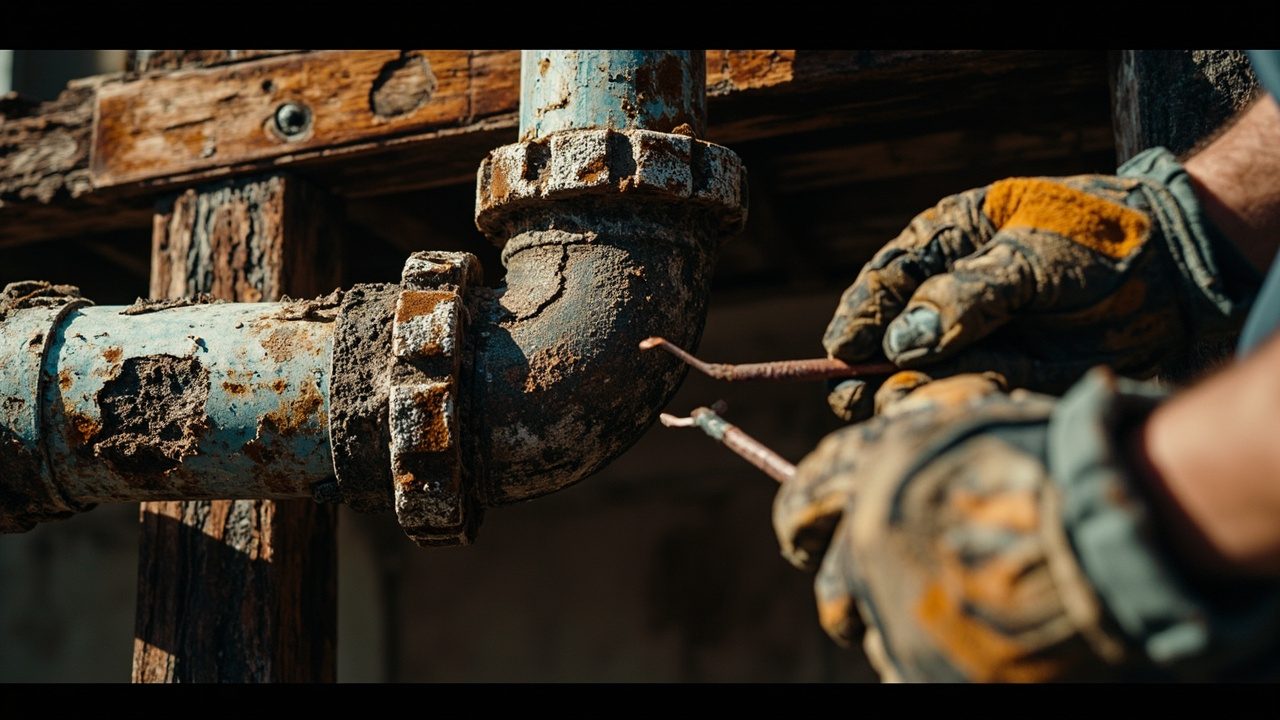
El Paso Water describes the supply as moderately hard to hard, and scale shows up in shower valves first. It builds on the cartridge and keeps it from sealing, so a tub spout that drips after the handle is off, or a shower that swings between scalding and cold, is often a case for shower valve replacement rather than another washer. Older houses add their own layer. Galvanized supply corrodes from the inside and closes up, which starves the mixing valve of flow, and cast iron drain lines under older slabs crack or corrode, which turns bathtub drain repair into a question about the floor. Rust-colored water in the first seconds of a shower points at that galvanized pipe. Tub faucet repair on a newer PEX manifold home is usually a cartridge and a spout, since the pipe behind it has fewer joints.
Call today if a stain, a soft patch of drywall or a hollow tile shows up near the valve wall. A hairline supply leak behind tile keeps the framing damp because nothing dries inside a wall, and the pipe repair turns into a wall rebuild. Until someone arrives, close the shower's own stops if it has them, or the main shutoff, and keep everyone out of any wet area that reaches an outlet or a ceiling light.
See apartment complex plumbing for how the related work is scoped and priced.
Find the sign you have, then read across to see whether it can wait.
| Symptom or first sign | What is already happening | What it becomes if ignored | When to call |
|---|---|---|---|
| A hairline supply leak behind tile | The framing stays damp | The pipe repair turns into a wall rebuild | This week, while it is still one part |
| A toilet that runs after flushing | The flapper lets the tank refill all night and the fill valve cycles constantly | The valve wears and sticks open with the overflow carrying it away unnoticed | This week, while it is still one part |
| An anode rod eaten away | The steel tank becomes the sacrificial metal | Rusty hot water arrives first and a split tank arrives after | This week, while it is still one part |
| Roots at one clay joint | Paper and grease catch at that spot every day | The main backs up into the lowest fixture in the building with no warning | Now, the same day |
| Incoming pressure above the normal band | The relief valve on the heater starts weeping | The tank seams work harder every cycle and the heater fails years before it should | This week, while it is still one part |
How we find the leak before we open the wall
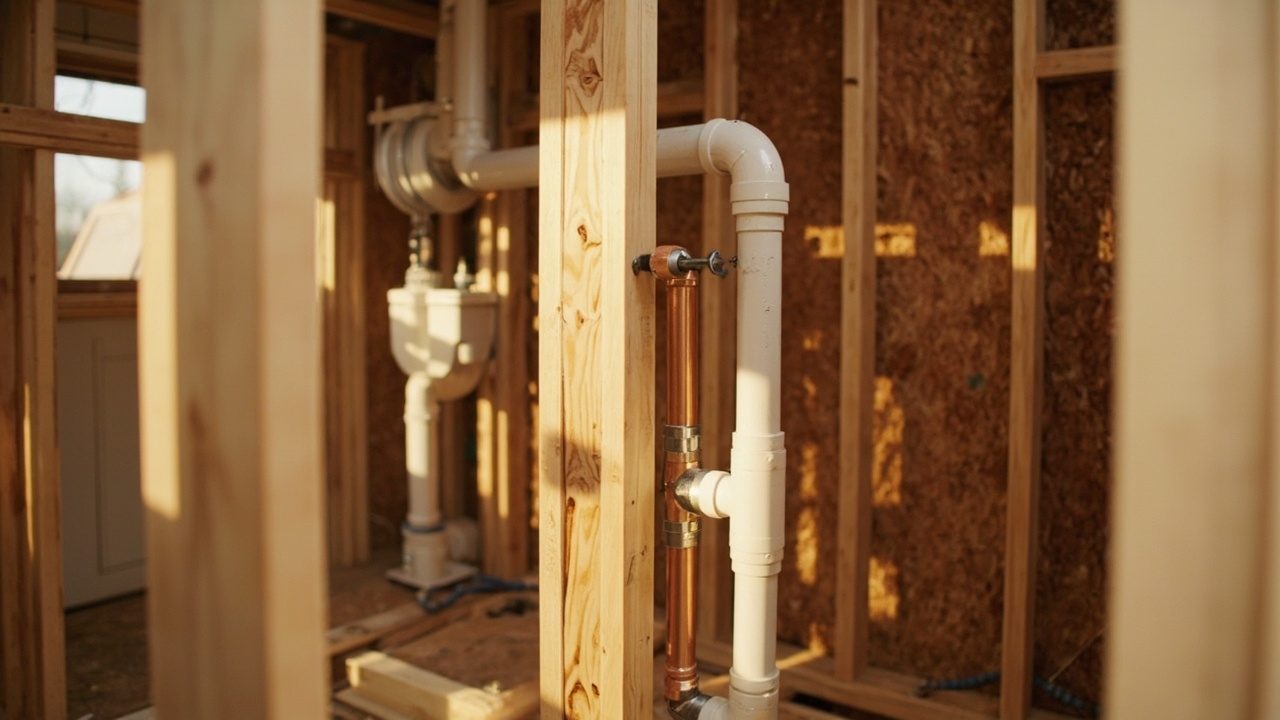
The first job is shrinking the problem to a segment. With every fixture off, the technician listens at the valve wall for running water and checks whether the stain or the drip is still moving. Then the shower's stops close, and if it has none, the branch to the bathroom or the main shutoff closes, and the stain and the sound are watched again. If the noise stops with the branch closed, the leak sits on the supply side of that branch. If the wetness appears only while the tub or shower runs, it sits in the drain, the overflow or the trap. Only after the leak has a side and a segment does anyone choose which surface opens, and at that point the opening is sized to reach that one segment. Isolation comes before any cutting, since tile and backer board removed in the wrong place cannot be put back.
The thermometer goes on the farthest hot tap after the tap has run a full minute, because the first slug of water is whatever sat in the pipe. Hot water arriving around 120 degrees is the usual balance between scald risk and a tank that stays clean. A reading hot enough to scald a child in seconds, or so low that the tank sits where bacteria are comfortable, moves the job to the heater. Then the same reading is taken at the shower valve. A steady reading at the sink with a swing between hot and cold at the shower puts the fault in the cartridge, which makes it a shower valve replacement and leaves the heater alone. A low reading at every tap puts the problem upstream of the bathroom. On a remodel, the readings come before the tile comes off, because a valve that fails behind new tile means a second demolition. With the wall open at shower plumbing rough in, the valve, the stubs and the drain are all exposed, and that is the one moment a scaled valve can be swapped without cutting anything new.
Water hardness does less to decide the pipe than the age of the house does. Scale attacks the cartridge whichever pipe feeds it, so moderately hard to hard water calls for planned cartridge changes or treating the water, and a new pipe material does nothing for it. What the housing does decide is the tie-in. Homes from the 1970s through the 1990s carry copper supply under or through the slab, so a new valve there gets type L copper soldered to match the run. Where galvanized still feeds an older bathroom, a dielectric union or a transition to copper goes at the valve wall, and the galvanized behind it gets looked at because it is closing up from the inside. Newer subdivisions with PEX manifolds take PEX B with crimp rings or PEX A with expansion fittings, which puts the fewest joints inside the shower wall, and the PEX stays protected where it passes through framing. Which one goes in depends on what is already in the wall and how many joints you want behind the tile.
Our page on plumbing services covers that side of the work in more depth.
Your local utility, El Paso Water, publishes service and water-quality information every El Paso homeowner should know.
Narrow this to two options before calling, then ask which one suits the house.
| Option | The numbers a buyer weighs | Best suited to |
|---|---|---|
| Type L copper against PEX | Copper is rigid, tolerates heat directly | Repipes where the existing layout sets the method |
| Sump pump selection | Sized by horsepower against the vertical lift plus pipe run it has to push through | Basements with a real lift to the discharge |
| Cast iron drain against PVC or ABS | Cast iron is heavy and quiet and corrodes from the inside over decades | Drain replacement under a finished house |
| Salt softener against a salt free conditioner | An ion exchange softener removes hardness minerals and needs salt and a drain | Hard water houses weighing salt against upkeep |
How a shower plumbing call runs
Questions, then isolation
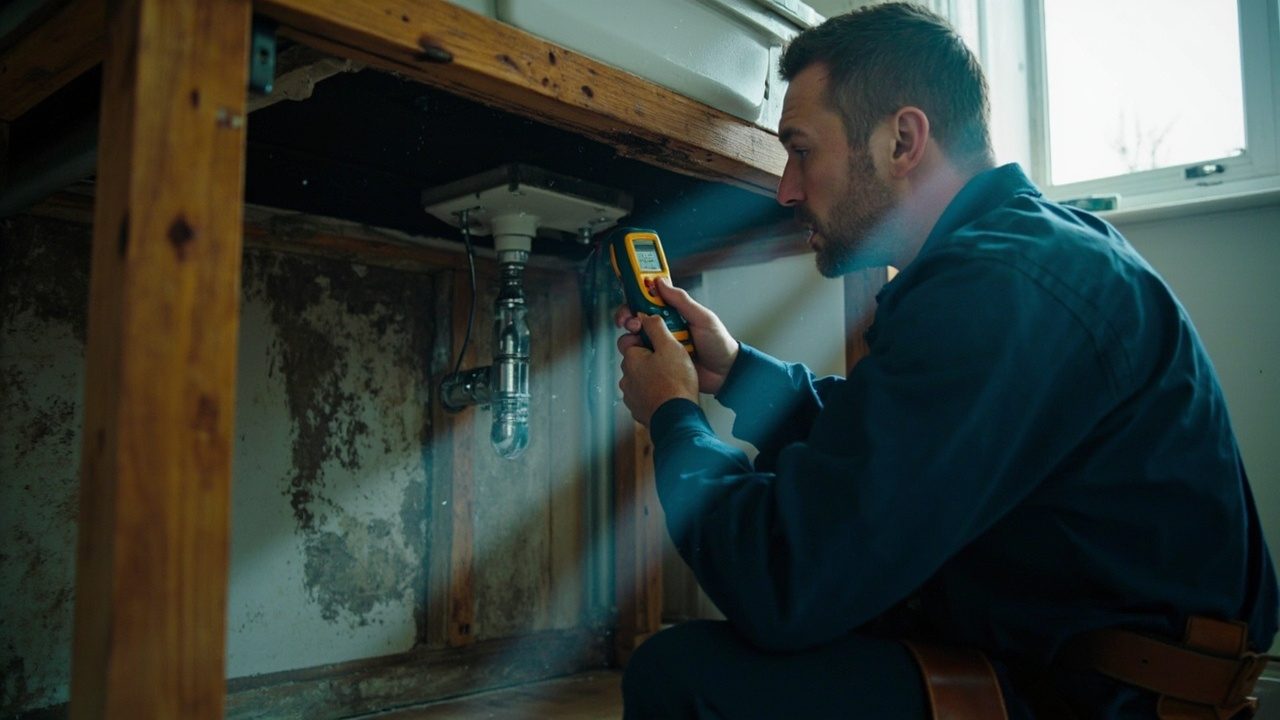
On the phone you are asked what you see, when it started, which fixtures have water on them, and where the shower stops and the main shutoff are. Those answers sort the call into tonight or a scheduled visit. On site, every fixture is shut off first and the technician listens at the valve wall. The shower stops close, then the branch, then the main, and the stain, drip or sound is watched after each one. When the leak runs in one direction along one wall plane, a thermometer is placed on the farthest hot tap after a full minute of running. Only then does anyone decide which surface opens.
Approval, then the repair
Once you approve the written scope, water is isolated at the stops or the branch before any cut. A shower valve replacement means the old valve body comes out, and the new one is set at the depth the tile thickness calls for and joined with soldered type L copper, or with a PEX B crimp ring or PEX A expansion fitting, depending on what is in the wall. A bathtub drain repair replaces the failed p trap or section of drain, with a no hub band where cast iron meets plastic. If galvanized or a second leak turns up behind the valve, work stops and you see it before it continues.
Testing and handover
Before leaving, the thermometer goes back on the same farthest hot tap after the same full minute of running, and it should read around 120 degrees. The shower runs at full flow and shuts fully off with no drip at the spout. The valve handle moves through hot and cold without a swing. The wall face and the ceiling below are checked for any new dampness, and the stops are opened and left working. You walk through what was found and what changed, and you keep the written scope marked with those changes.
Why a desert climate changes bathroom plumbing work
Which office issues the permit depends on where the address sits, because work outside city limits falls under the county or the neighboring town. A new shower with a relocated valve or drain usually needs a permit, while a like for like cartridge, spout or shower head swap usually does not, and the final call belongs to the permit authority for your address. The written scope names which parts of the job a permit may cover, so that question is settled before anything is cut.
A crew unfamiliar with the local housing stock makes predictable mistakes. On a slab home, a cracked tub drain sits in the concrete, and a crew expecting a raised floor quotes a repair from below that does not exist. Postwar houses can carry galvanized or early copper in the same bathroom, so both should be expected before the wall is open. Joining a new valve to galvanized supply without a dielectric union corrodes the joint at the seam between the metals while the pipe behind it keeps closing up from the inside. A cracked cast iron drain gets a proper no hub band transition to PVC, and a crew that glues across that transition leaves a joint that moves. A crew new to the local water installs a new cartridge and leaves the scale, so the shower swings in temperature again. Intense sun degrades exposed plastic, so PEX running from a garage heater gets covered or kept out of the light. Each of these mistakes ends with the wall opened a second time.
Calls come from across the county, from older raised floor houses to newer subdivisions on the east and west sides, and the drive between them is one input to the arrival window. The person who answers asks what the shower is doing and whether water is reaching a ceiling or a circuit, and that sorts a call into tonight or a scheduled visit. Freezing nights between mid November and early March add a pattern of their own. Incoming water arrives colder, so a heater in a garage works through a larger temperature rise and the second shower runs cool. The thermometer reading at the farthest hot tap separates that from a failing valve.
If this sounds close but not quite your situation, 24/7 emergency plumbing services may be the better starting point.
Plumbing code in most jurisdictions traces back to the Uniform Plumbing Code maintained by IAPMO, it's the rulebook behind our permit work.
What working with Bedrock Plumbing El Paso looks like
How a call becomes a visit
You call and the person who answers asks what you see, when it started and whether water is reaching a ceiling, an outlet or a light fixture. Those answers decide between tonight and a scheduled visit, since water escaping under pressure does not wait. The arrival window is confirmed on that same call. If the job ahead of yours runs long, the new window reaches you by phone before the first one ends, so you are never left watching the door.
Protecting your bathroom
Drop cloths cover the floor, the tub and the route through the house before a tool comes out. Water is isolated first, so cutting into the wall meets a dry cavity. The opening is kept to the size the valve or drain needs, and tile and drywall dust is contained with plastic sheeting at the doorway. Debris goes into bags and leaves with us, and the last step is wiping the floor and running the shower to confirm the wall face stays dry.
What moves the price
Access moves the job furthest: a tiled wall, a ceiling below, a slab or a crawlspace each mean opening a surface and putting it back. One joint against the whole run comes next, and the condition of the rest of that pipe decides it. Matching old pipe to new, the grade of valve or trim you pick, and after hours calls follow. You control fixture grade and whether adjacent work happens in the same opening. The written scope states what happens if the wall shows more, and nothing starts until you approve it.
How technicians earn sign-off
A new technician rides along with a lead before working alone, and the lead signs off on specific tasks: closing a shower stop, soldering type L copper, joining PEX, setting a cartridge and reading the thermometer at the farthest hot tap. The current code cycle is studied as it updates. Diagnostic tools ride on every response, so the first visit can finish the diagnosis. On an unusual job, such as galvanized supply behind a tiled wall, a second technician looks at it before a scope is written.
You Have Questions,
We Have Answers
A tub and shower combo replacement costs more when the surround, valve and drain all come out together. Framing condition sets the scope, since a subfloor softened by a long-term seep adds carpentry. A cast iron tub is heavy and often has to be broken up to leave the room, which adds labor. The valve trim you choose and any drain relocation move the total upward. Without seeing the wall, no honest number exists, and a written scope states the cost drivers first.
Shower plumbing cost rises with wall access, valve grade and how much old pipe must be replaced. A tiled wall with a bedroom or ceiling below costs more than an open stud bay. A pressure-balancing valve costs less than a thermostatic one, and adding a second shower head or body spray raises the supply work. Matching corroded pipe to new copper or PEX adds joints and labor. Relocating the drain adds the most, because it changes the slope and vent.
Showers and toilets share the same building drain but not the same supply lines. Each fixture has its own trap and branch. The shower typically uses a 2 inch drain, and the toilet uses a 3 inch drain, and both branches tie into the main drain line that leaves the house. The supply side is separate: the toilet takes cold water only through a quarter-inch stop, while the shower valve mixes hot and cold from a separate branch.
A shower drain and toilet drain can share one branch when the pipe is sized and vented correctly. The shower trap must join downstream of the toilet, or through a properly vented wet vent, so toilet flow cannot push air past the shower trap. A 3 inch branch is common for a bathroom group. An unvented connection lets the trap siphon dry, which sends sewer gas up the shower drain and produces a gurgle each time the toilet flushes.
A bathtub needs a 1.5 inch drain, a trap, an overflow and a mixing valve. The waste-and-overflow assembly bolts to the tub, then connects to a p-trap under the floor. The trap seals against sewer gas and the drain must slope a quarter inch per foot toward the branch. A vent within the allowed distance keeps the trap from siphoning. The valve sits behind the wall with an access panel where the framing allows.
Set the tub first, then run the drain and install the valve at the correct depth. Set the valve body so the trim covers the finished wall, usually with the valve center about 28 inches above the tub rim. The spout is fed from a stub at roughly 4 inches above the rim, with a diverter sending water up to a shower arm at about 78 inches. Pressure test the supply before closing the wall.
A shower requires hot and cold supply, a mixing valve, a shower arm, a trapped drain and a vent. The drain is 2 inches and needs a quarter inch per foot slope, and the trap holds a water seal that blocks sewer gas. A flow limit of 2.5 gallons per minute is typical for shower heads. The floor needs a waterproof pan or liner beneath the tile, tested by flooding it for 24 hours before setting anything above it.
Rough in the drain and trap, then secure the valve to blocking between studs. Solder or crimp the hot and cold lines to the valve ports, run the tub spout stub and the shower riser, and cap each line for testing. Hold the supply at line pressure for at least 15 minutes to check every joint. Watch a pressure gauge for any drop, since a slow leak behind tile shows as falling pressure.
Compare written scopes from several companies, since the lowest phone quote often leaves items out. Ask each one what is included: the valve grade, the wall opening, disposal of old parts and the temperature test after the work. A low figure that skips patching the opening or the pressure test costs more later. Bedrock Plumbing El Paso, reached at (915) 350-8242, gives a written scope that lists the cost drivers before work starts.
Toilet water and sink water both reach the same sewer line, but through separate branches and traps. A sink drains through a 1.25 or 1.5 inch pipe, while a toilet uses a 3 inch pipe that joins the main drain further along. Every fixture has its own trap holding a water seal, and a shared vent stack lets air in behind the flow. Kitchen sinks carry grease, so they clog sooner than the bathroom branches.
Hard water and slab floors change shower plumbing in El Paso
Four building eras sit side by side in El Paso County, and each one changes what waits behind a shower wall. Brick, adobe and frame houses from the late 1800s through the 1930s carry galvanized supply and cast iron drains on raised floors or shallow foundations, which often lets a crew reach a tub drain from below. Postwar slab homes put cast iron drains under the concrete, so a cracked tub drain there means a slab opening, and caliche hardpan beneath the slab slows any dig that follows the drain. Homes from the 1970s through the 1990s run copper supply under or through the slab with ABS or PVC drains, and the water heater often sits in a garage or closet a long way from the bathroom. Newer subdivisions use PEX manifolds and PVC. The utility notes that rusting galvanized pipe inside homes is the typical cause of discolored water, which puts rust-colored shower water on the pipe behind the wall.
Inspection on a job like this comes in stages, and the stage that matters for a shower is the one with the wall still open. The inspector usually looks at the supply stubs and their joints, the valve body positioned to match the tile thickness, and the drain with its p trap, fall and vent. Knowing that up front changes the sequence. Water goes back on to the new branch while the cavity is open, so a weeping joint shows itself before backer board covers it, and the tile setter starts after the inspection, where one applies. It also shapes what is bought. The valve and its trim are chosen before the wall is opened, so the opening is not left waiting on a part. A cast iron to plastic transition goes in with a no hub band where the inspector can see it, and a relocated drain is checked for continuous fall to the branch.
Plumbing Services in The El Paso Area
Explore our service area and locate Bedrock Plumbing El Paso with ease. We're proudly local and serve the surrounding neighborhoods with fast response and honest pricing. Use the map to check our coverage area, or call us and we'll confirm in seconds.
Address:
Bedrock Plumbing El Paso, 221 North Kansas St, Suite 700, El Paso, TX, 79901
Additional Services We Offer
- Backflow Prevention & Testing
- Drain Cleaning & Rooter Service
- Faucet & Sink Repair
- Garbage Disposal Services
- Gas Line Repair & Installation
- Plumbing Services
- Sewer Line Repair & Replacement
- Slab Leak Detection & Repair
- Sump Pump Services
- Tankless Water Heater Services
- Toilet Repair & Installation
- Water Heater Repair & Installation
Cleaning a shower head, swapping a braided supply hose and finding and closing the main shutoff are homeowner jobs, and you do not need us for them. DIY stops at anything soldered, anything on the gas line, anything behind a finished wall or under a slab, and any drain backed up past a cleanout. Setting tile belongs to a tile setter. If the first visit finds rotted framing, we say so then and tell you who handles it.
Know when the stain, drip or temperature swing started and what changed just before it, such as new tile, a heater setting or a replaced handle. Run a hot tap for a full minute and note whether the water stays steady. Find the shower's stops if it has them, and the main shutoff. Any age you have for the house or piping helps.
Last reviewed September 2026 by Dave Parker, Owner.