




What a failed backflow test or wet assembly means in El Paso
A backflow test notice is due, the last assembly report shows a failed result, or a wet patch has appeared around the assembly on your incoming line. All three sit on the supply side, and supply side water is under pressure around the clock. A leak on pressurised piping runs overnight whether the building is occupied or empty, while a drain only spills when something upstream is running. That split decides whether the call is for today or for a scheduled visit, and it is the first thing we sort out on the phone. Commercial assemblies protect the public supply from process water, which is why testing, repair and paperwork follow a fixed schedule and why a missed date is a liability question for the owner.
Start at the meter. With every fixture closed, the dial or leak wheel should not move over fifteen minutes, and any movement at all means water is leaving the system where you cannot see it. Close the main and watch again. A dial still moving puts the loss on the street side of the meter, and a dial that stops puts it inside the building. A warm spot on a floor in one place points at a hot line under the slab, and a bill that doubled with nothing visibly wet points at concealed supply piping in a wall or a crawlspace. Your facility staff can run that meter check and close the main shutoff. Anything past the main belongs to a technician.
Local conditions change how these faults develop. The water here is moderately hard to hard, commonly around ten grains per gallon or more, and above about seven grains per gallon scale forms steadily in valves and water heaters. Freezing nights are common but short, and the ground does not freeze deeply, yet an occasional arctic front drops temperatures well into the teens. That is when exposed hose bibs, backflow assemblies and outdoor lines split. Nothing shows until the ice clears and the line is under pressure again, and then the wet patch or the ceiling stain arrives hours after the temperature recovered.
Call today when you see this sequence. An angle stop under a restroom sink weeps at its compression nut, then the nut corrodes until it cannot be snugged, and then the stop snaps off in someone's hand during a faucet change and the room takes the full supply. In a tenant space that ends with occupied hours lost and a wall opened to dry it, so a weeping stop on a restroom branch gets isolated the same day. A test notice that is coming due, with no wet fitting anywhere, can wait for a scheduled visit.
More detail on backflow prevention & testing is on its own page.
Your local utility, El Paso Water, publishes service and water-quality information every El Paso homeowner should know.
How the static pressure reading sets the scope before we quote
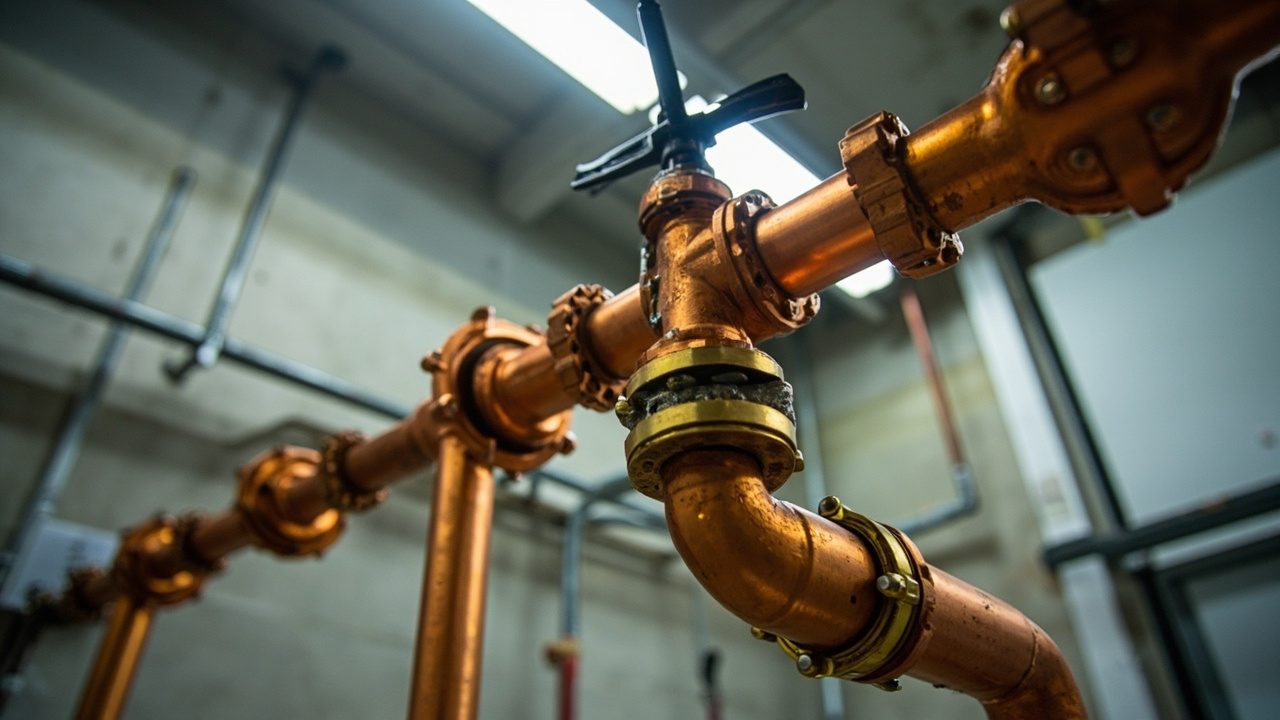
The visit runs by isolation, and the anchor reading is static pressure at a hose bib. A pressure gauge screws onto the bib with everything in the building off, because a running fixture hides the real static number. The meter comes next: the leak indicator with every fixture closed, then the main closed and read again, which places any loss on the street side or the house side. Stops and branches close one at a time until the loss stops, and only then does a wall or a floor get opened. Where a commercial backflow assembly sits on the incoming line, its test follows that sequence, including RPZ valve testing where an RPZ is installed. The written report puts the gauge reading, the meter result and the assembly result side by side, which is the record a lender or an underwriter reads first.
The gauge reading sets the scope. Static pressure of 45 to 70 psi is the normal band and keeps the scope on the failed part. A reading above 80 psi is where fixtures, supply hoses and water heaters start failing early and where a pressure reducing valve is normally required, so that valve moves into the scope. The gauge then stays on overnight. A morning reading close to the night reading is a system relieving its own expansion, and a morning reading far above the night figure means the heater is pushing expanded water into a closed system with nowhere to put it, which puts a thermal expansion tank on the list. A weeping temperature and pressure relief valve or a burst supply hose is often the system reporting a pressure problem, and replacing only that part leaves the cause running. A meter dial that keeps moving with the main closed moves the job out to the service line.
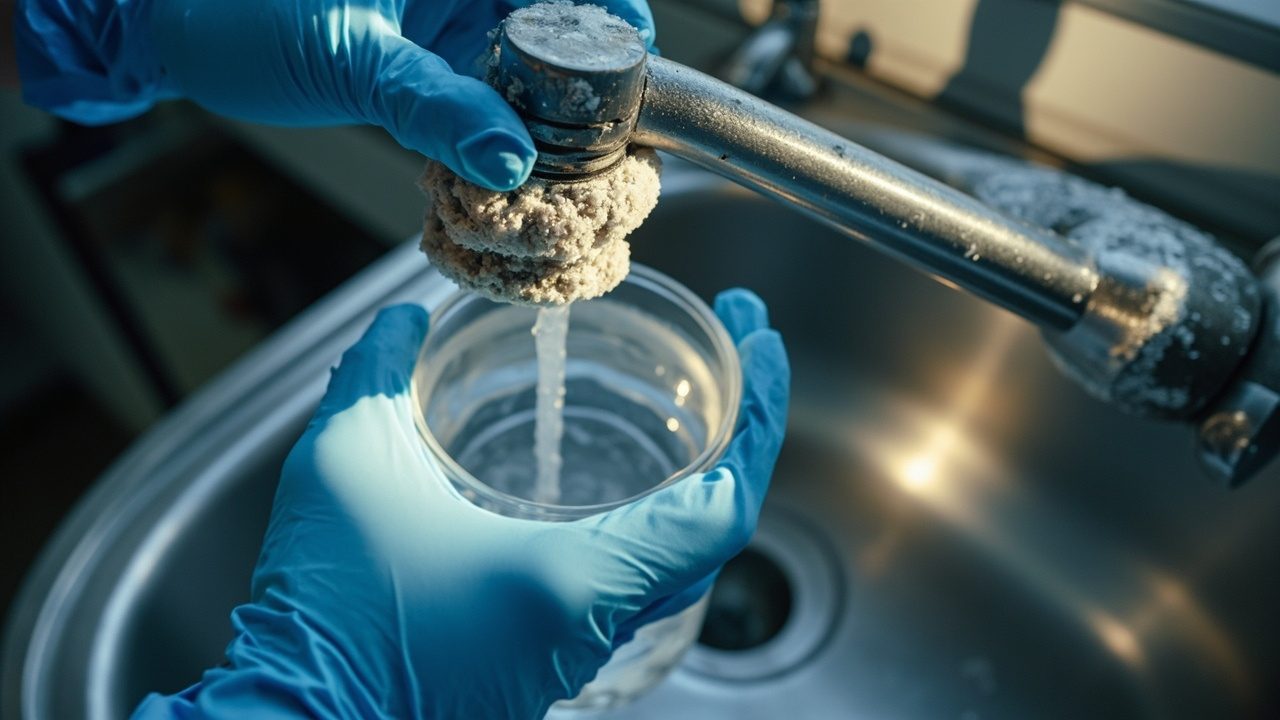
Where new supply piping goes in, whether at a commercial backflow installation or a repipe of the branch behind it, the choice is type L copper against PEX, and local conditions decide it. Intense sun degrades exposed plastic and a short hard freeze splits any unprotected outdoor line, so exposed runs at the assembly stay in rigid type L copper, which tolerates heat directly. Concealed branches in newer construction suit PEX in a home run layout from a manifold, since fewer joints sit inside the walls and a later repair opens less drywall. Hard water scales valves and heaters whichever pipe carries it, so the hardness test at the tap goes ahead of any valve or heater purchase. Where copper meets old galvanized in an older building, a dielectric union goes at that joint and the written scope says so.
Our page on understanding backflow testing covers that side of the work in more depth.
We install and service equipment from major manufacturers like Rheem to manufacturer specifications.
Narrow this to two options before calling, then ask which one suits the house.
| Option | The numbers a buyer weighs | Best suited to |
|---|---|---|
| Type L copper against PEX | Copper is rigid, tolerates heat directly | Repipes where the existing layout sets the method |
| Tank water heater against tankless | A tank is judged on capacity in gallons and its first hour rating | Households with long back to back hot water use |
| Salt softener against a salt free conditioner | An ion exchange softener removes hardness minerals and needs salt and a drain | Hard water houses weighing salt against upkeep |
| Sump pump selection | Sized by horsepower against the vertical lift plus pipe run it has to push through | Basements with a real lift to the discharge |
How a backflow call runs
First call and diagnosis
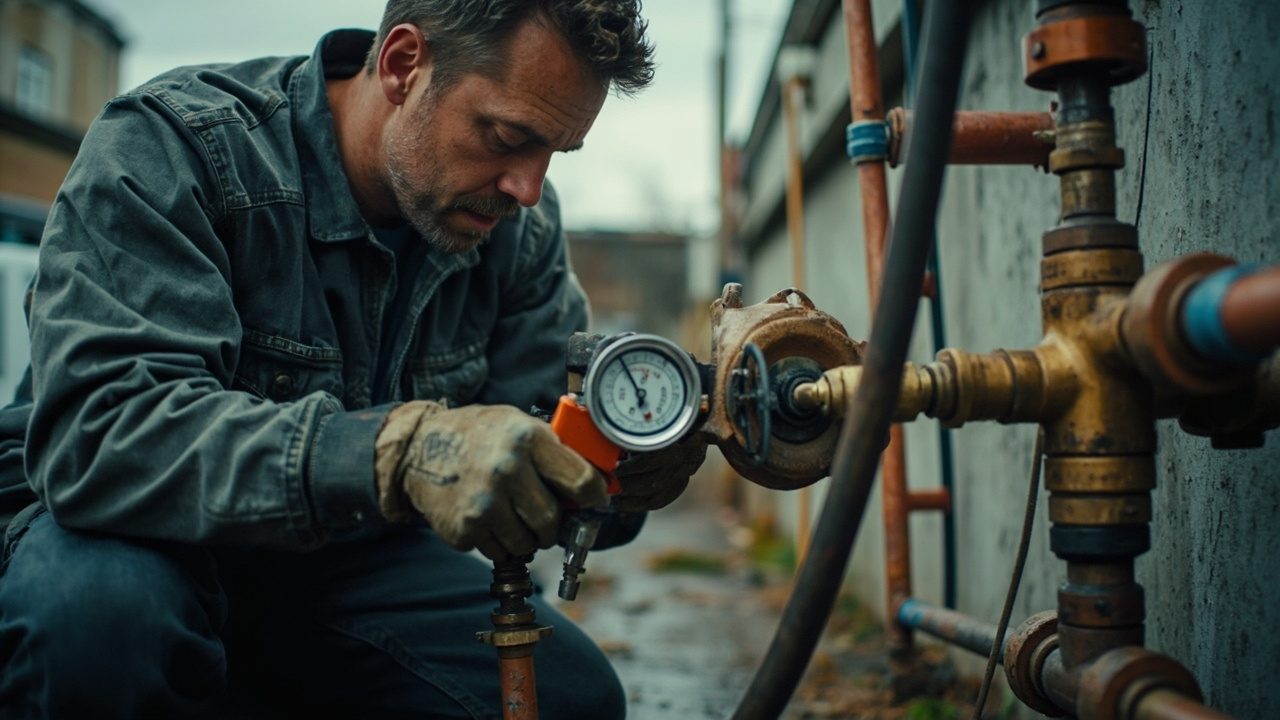
On the phone we ask what you are seeing, when it started, what changed just before it and where the main shutoff is, because those answers set the order of the visit. On site, everything gets shut off and the pressure gauge goes on the hose bib. The meter leak indicator is read over fifteen minutes, the main is closed and it is read again, and each isolation valve closes in sequence until flow stops at the meter. The assembly is tested after that. You can watch each step from the meter, and no wall or floor is opened until the written scope is in front of you.
Approved work begins
Once you approve the scope, the branch is isolated and drained first. The repair or the commercial backflow installation follows in trade sequence: the failed section is cut out, type L copper or PEX goes in as the scope names it, and old pipe meets new through a dielectric union or a proper transition band. If scale or corrosion turns up behind a fitting, or the run looks different from what the scope assumed, we stop and show you before going further. Nothing past the approved scope proceeds without your yes.
Testing and handover
Before we leave, the gauge goes back on the same hose bib and has to read inside the 45 to 70 psi band, then stays on overnight with the morning reading close to the night one. The meter leak indicator has to hold still for fifteen minutes with every fixture closed. The assembly test result is recorded beside those readings. We walk you through each figure, and you keep the written report to hand to a lender, an underwriter or the authority when one asks.
Why desert conditions decide how backflow work gets done here
Backflow work answers to two parties, the plumbing permit authority for the jurisdiction and the water utility that serves the building, and neither takes its answer from the installer. A new assembly on the incoming line is main line work, which usually needs a permit and an inspection, while a like for like fixture swap usually does not, and the final call belongs to the authority. Inside city limits the city issues plumbing permits. Outside them the county or the neighboring town takes over, so the first question on a building anywhere in the greater metro is which jurisdiction it sits in.
Crews unfamiliar with the desert make four mistakes that cost time on this job. They write a valve or a heater into the scope without a hardness test, and scale at around ten grains per gallon shortens its life. They run exposed plastic at the assembly, where intense sun degrades it. They leave an outdoor assembly unprotected, and an arctic front that drops temperatures well into the teens splits it. They price a trench as if the soil were soft, then meet caliche hardpan that slows the dig and moves the scope.
Response runs across the county and out to the neighboring towns, and the person who books you asks first whether water is escaping under pressure, because that answer decides a same day visit. Building age sets what the crew brings. Older stock calls for transition parts between galvanized and copper, and newer manifold construction calls for PEX fittings, so pipe material and age are asked about on the phone. Owners who present to a lender or an underwriter receive a written report documenting three key measurements. The gauge reading captures pressure at the test point. The meter result shows whether water flows backward through the check valve when the building is not drawing water. The assembly result records whether the device opens and closes on demand during the cycle test. A due diligence reviewer reads this report first because it provides the documented evidence that the system functions as designed.
If this sounds close but not quite your situation, commercial kitchen plumbing may be the better starting point.
Independent standards matter too, the EPA's WaterSense program sets the efficiency benchmarks we use when recommending replacement fixtures.
Working with Bedrock Plumbing El Paso on backflow work
How scheduling works
You call and the person on the line asks three things: what you see, when it started, and where the main shutoff is. Water escaping under pressure, or reaching a ceiling or a circuit, is treated as a same day visit. A test that is coming due gets a scheduled one. The arrival window is given on that call, and the same person phones you if the job ahead of yours runs long, so a manager or a tenant is never left guessing about the door.
Protection and cleanup
Drop cloths go down between the entrance and the work area before a wrench turns. Isolation closes only the branch under repair, so the rest of the building keeps its supply and restrooms elsewhere stay in use. Water left in the line drains into a bucket or a floor drain. Cut pipe, old fittings and packaging leave with us in bags, and the last step is wiping the area and running the fixture to look for a weep.
What moves the cost
Access moves the job furthest, because a finished wall, a tiled surface, a ceiling below or a slab adds opening and restoring work. Excavation depth and length come next, and caliche slows the dig. One joint is a smaller scope than a whole run, and the condition of the rest of the run decides which applies. Matching old pipe to new, higher fixture grade and after hours dispatch push it up. Permit and inspection apply to main line work more than to a faucet. You approve the written scope before work starts.
How technicians get signed off
A new technician rides alongside a lead before working alone, and the lead signs off on specific tasks: reading static pressure at a hose bib with everything off, running the meter isolation, and joining copper to galvanized with a dielectric union. The team studies the current code cycle as it changes. On an unusual job, such as a failed assembly on an old line, a second technician looks at it before a scope is written.
You Have Questions,
We Have Answers
Buildings need one when the utility or plumbing authority classifies the connection as a contamination hazard. Irrigation systems, fire sprinkler lines, boilers, car washes, dental and medical equipment, and commercial kitchens with chemical dispensers are the usual triggers. An office with only restrooms and a drinking fountain may need only a lower-hazard device. The hazard level, whether it is a health hazard or a nuisance, sets which assembly type is acceptable, so confirm the classification with the utility first.
A single assembly test usually takes 20 to 45 minutes once the technician has access. The test kit connects to the assembly's test cocks, and each check valve and the relief valve get read in sequence against the differential gauge. Time grows when the assembly sits in a cramped vault, when the shutoff valves leak by and never fully seal, or when a failed part needs repair and a retest. Water to the building is interrupted during the test, so plan around that.
Test every commercial backflow assembly once a year, and again right after any repair, relocation or replacement. The annual interval is the common requirement, though the utility that serves the building sets the actual schedule and may require more frequent checks on high-hazard connections. Keep the date on your notice as the deadline, because the report has to reach the utility by that date. Testing near the due date leaves no room for repair time if the assembly fails.
Test a commercial device at least annually, and again after any repair, freeze damage or removal and reinstall. Most utilities send a notice with a due date and a deadline for filing the result, and a failed test usually starts a shorter window to repair and retest. Assemblies on fire lines and irrigation lines are tested on the same cycle as the domestic one. Each device carries its own serial number and needs its own report.
Owners cannot test their own assemblies, because the utility or the authority must accept the tester. The tester uses a calibrated differential pressure test kit. Facility staff can still do useful groundwork, such as clearing the vault of standing water, keeping the area around the assembly accessible, and closing the main when asked. The gauge readings and the paperwork are what the utility accepts, and an untrained reading of a relief valve discharge is easy to get wrong.
Installation cost rises with pipe size, assembly type, trench length and depth, and permit and inspection work. A reduced pressure assembly costs more than a double check, and a larger diameter costs more than a small one. Hard caliche digging, an enclosure or heated cover for freezing nights, and restoring a finished floor or paving all push the scope up. A short run in an open utility room sits at the low end of the scope.
Water dripping from the relief valve port on a reduced pressure assembly is the clearest sign of a problem. Between annual tests, watch for that discharge, for pressure that swings when a neighboring fixture runs, and for water that turns cloudy or picks up an odor. A steady drip after a pressure spike can mean debris fouling a check valve seat. Only a differential gauge test confirms that both checks are sealing, so a dry assembly is not proof.
The valve price depends on size, assembly type, body material and the brand carried. Reduced pressure assemblies cost more than double check assemblies, and each step up in pipe diameter raises the price. Bronze bodies and stainless bodies differ, as do lead-free requirements for potable service. The valve is only part of the total, since shutoffs, test cocks, unions, an enclosure and labor for a cut-in all add to the job. Confirm the required assembly type before buying.
A commercial backflow preventer stops water in the building from flowing back into the public supply. It uses spring-loaded check valves, and on a reduced pressure assembly a relief valve that dumps water to atmosphere if both checks fail. Backflow happens during a main break or a heavy fire hydrant draw, when supply pressure falls below the pressure in the building. The device keeps chemicals, boiler water or irrigation runoff from being pulled into the street main.
Why hard water and short freezes change backflow work in El Paso
El Paso Water supplies a blend of surface water and groundwater, describes it as moderately hard to hard, and disinfects it with chlorine. In a commercial building that hardness shows up as scale in valves, water heaters and fixture cartridges, so a hardness test kit goes on the tap during the first visit, and a reading above about seven grains per gallon puts flushing, descaling or treatment in the plan. Older stock adds a second condition. Galvanized supply from the late 1800s through the 1960s corrodes from the inside, and the utility names it as the typical cause of discolored water in homes. Where that pipe meets copper, a dielectric union goes at the joint. The ground adds a third. Desert soils carry layers of caliche hardpan that slow trenching, and the river valley soils hold more water, so a new run to an assembly gets its access and depth checked before a scope is written. Intense sun degrades exposed plastic, which keeps exposed runs in copper.
Plumbing permits inside city limits come from the city, and work outside city limits falls under the county or the neighboring town. Work is inspected at stages during construction, so a commercial backflow installation is sequenced around those stages. Where the authority asks for a stage inspection, the trench or the wall stays open until it happens, and what the inspector looks at is the authority's call. Gas work and main line work draw permits and inspections more often than a faucet swap does, which puts them on the schedule before the first cut. Knowing the process shortens the job because the recorded gauge reading, the pipe material list and the assembly test result are in hand when the inspector arrives, and nobody waits on a second visit to answer a question.
Plumbing Services in The El Paso Area
Explore our service area and locate Bedrock Plumbing El Paso with ease. We're proudly local and serve the surrounding neighborhoods with fast response and honest pricing. Use the map to check our coverage area, or call us and we'll confirm in seconds.
Address:
Bedrock Plumbing El Paso, 221 North Kansas St, Suite 700, El Paso, TX, 79901
Additional Services We Offer
- Apartment Complex Plumbing
- Commercial Kitchen Plumbing
- Commercial Plumbing Contractors
- Commercial Repiping Services
- Commercial Sewer Line Repair
- Commercial Toilet & Urinal Repair
- Commercial Water Heater Systems
- Grease Trap Cleaning & Pumping
- Hydro Jetting Services
- Industrial Pipe Repair
- Medical & Dental Gas Plumbing
- Preventative Commercial Maintenance
Closing the main shutoff, draining a hose bib before a freeze and swapping a braided supply hose are jobs for you or your facility staff. DIY stops at anything soldered, anything on the gas line, and anything behind a finished wall or under a slab. We do not decide whether your building needs an assembly, because the authority and the utility decide that. If the first visit finds work outside our scope, we tell you then and say who handles it.
Before you call, know what you are seeing at the assembly or the fixture, when it started and what changed just before it. Find the main shutoff and the hose bib nearest the incoming line, and say whether the building is occupied. Any age you have for the assembly or the last test report helps, along with the due date on your notice.
Last reviewed September 2026 by Dave Parker, Owner.