




What hard water and old pipe do to plumbing here
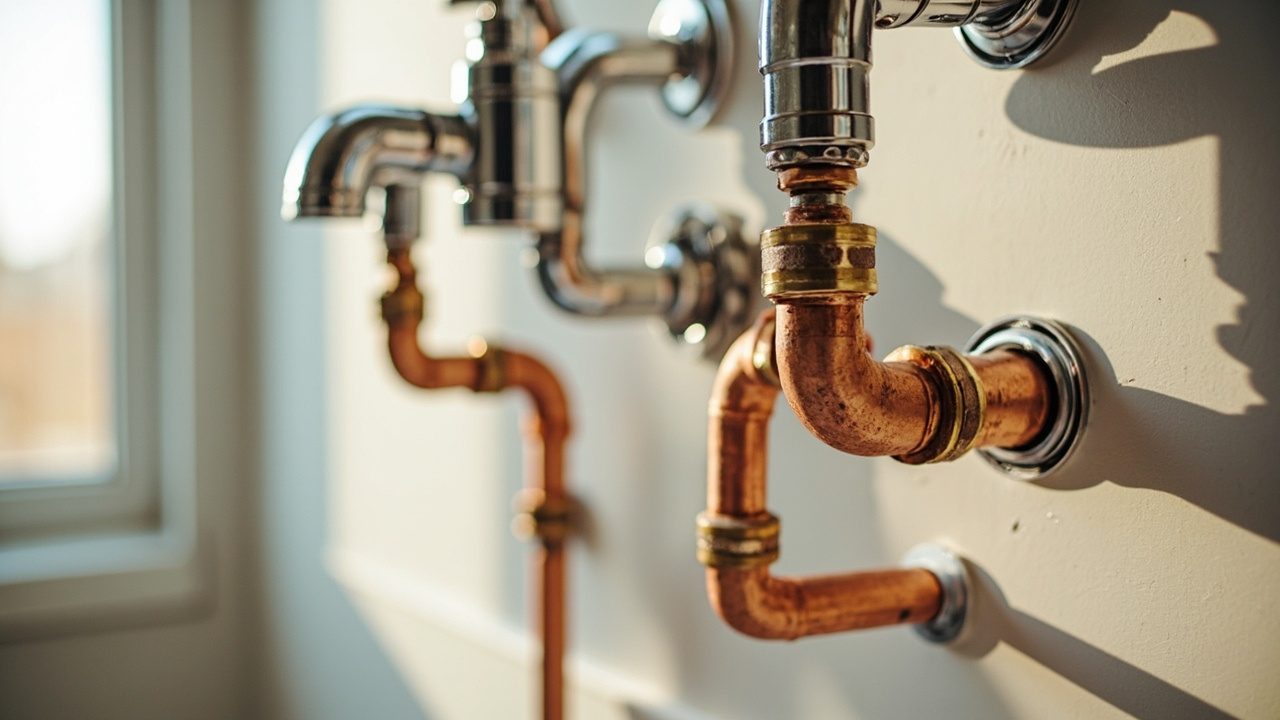
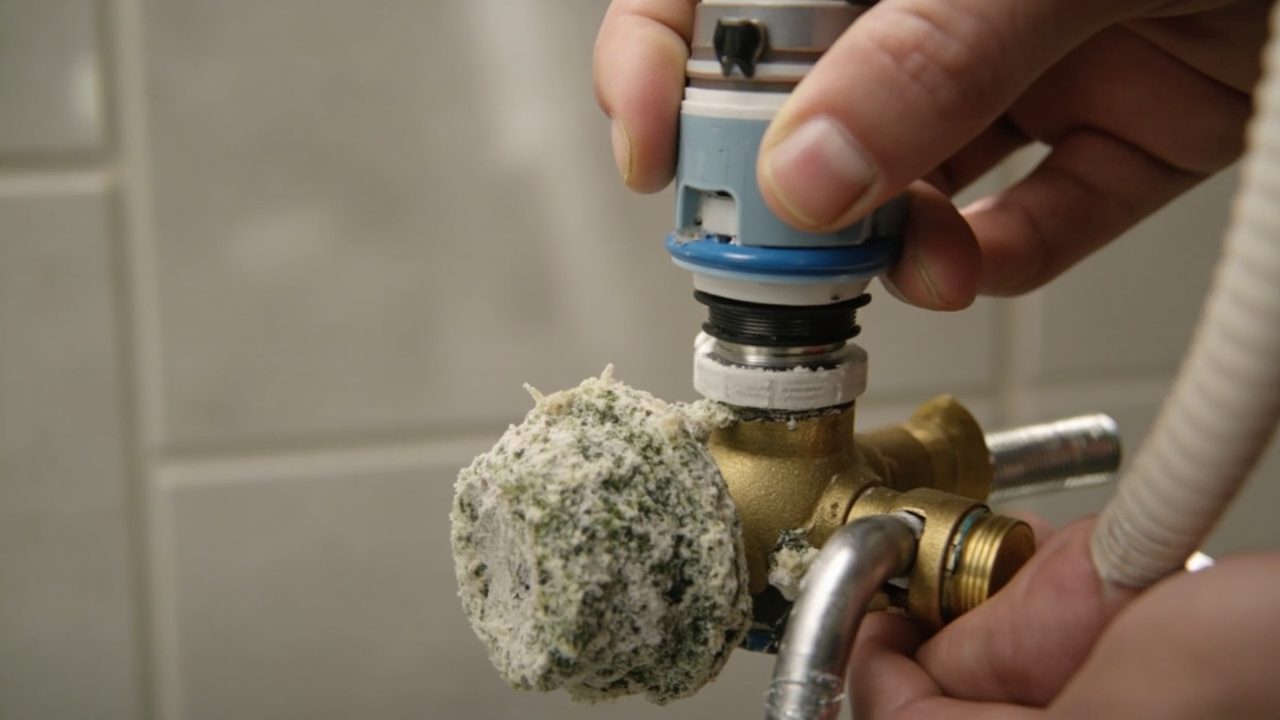
El Paso Water supplies a blend of river surface water and groundwater, and the utility describes it as moderately hard to hard. A hardness test kit at the tap commonly reads around ten grains per gallon or more, and above about seven grains per gallon, scale forms steadily in tank heaters, tankless heat exchangers, cartridges and fixture valves. A second heater inside a few years points at the water before it points at the heater. Crusted aerators, sticking cartridges and a sink with weak flow while the shower runs fine trace to the same scale. In spring, evaporative coolers restart, and scale reaches their float valves and supply lines too.
Pipe material follows the decade a house went up. Brick, adobe and frame homes from the late 1800s through the 1930s carry galvanized supply, cast iron drains and vent stacks, and clay laterals. Galvanized closes up from the inside, and the utility names rusting galvanized pipe as the typical cause of discolored water in homes. Cast iron corrodes from the inside out, and clay laterals are jointed in short sections where roots find a way in. Postwar slab homes from the 1940s through the 1960s pair galvanized or early copper supply with cast iron drains under the slab. Homes from the 1970s through the 1990s run copper under or through the slab, which makes a warm spot on the floor a live question. Newer subdivisions on the east and west sides run PEX from a manifold with PVC drains and laterals, and their failures come from sun on exposed plastic and freezes on unprotected outdoor lines.
The ground decides how hard it is to reach any of this. Caliche hardpan under the sandy, gravelly mesas and foothills slows trenching for laterals and yard lines, while the finer alluvial soil of the river valley holds more water around a buried line. Summer monsoon storms are short and heavy, and runoff collects in low streets and dips, which can load yard drainage and any cracked lateral from the outside. Freezing nights come every winter, but most sit just below freezing and clear by afternoon, so the ground stays unfrozen and the damage lands on hose bibs, backflow assemblies and outdoor piping. Arctic fronts that push temperatures into the teens are what split them.
From routine maintenance to plumbing services, the same local crew handles every call.
How we run plumbing jobs across El Paso
Scope on these jobs comes from readings taken at your property. The hardness test at the tap comes first on any heater, cartridge or fixture valve call, because a reading above about seven grains per gallon puts flushing, descaling or treatment into the scope beside the replacement part. Static pressure at a hose bib with everything off decides whether a pressure reducing valve and a thermal expansion tank belong in the job. Older galvanized supply gets its own attention, since a pinhole in a segment that old usually has neighbors. Where caliche hardpan will slow an excavation, the depth and length of the dig are measured first, because hours of digging move a scope further than the pipe does.
Before a job closes, the technician who did the work repeats the static pressure reading and the meter test with every fixture closed, and the dial has to sit still for fifteen minutes. An unusual job gets a second opinion. Camera footage of a lateral is reviewed by a second technician before the scope is written, because a root at one joint and a belly in the line lead to different repairs. The readings go into the written record you keep.
A new plumber works beside an experienced one and demonstrates a soldered type L copper joint, a cast iron to PVC no hub transition and a gas fitting proven with detector and bubble solution before working alone. When a visit turns up something outside the original scope, such as an angle stop corroded past snugging or a failed expansion tank, work on that item stops. You are shown the finding, it is written as its own line, and nothing on it starts until you approve it. Access, restoration, permit lines and fixture grade sit as separate items, which shows you what drives the total.
Need something specific? Our shower & bathtub plumbing page breaks down exactly how we handle it in El Paso.
Isolate before opening
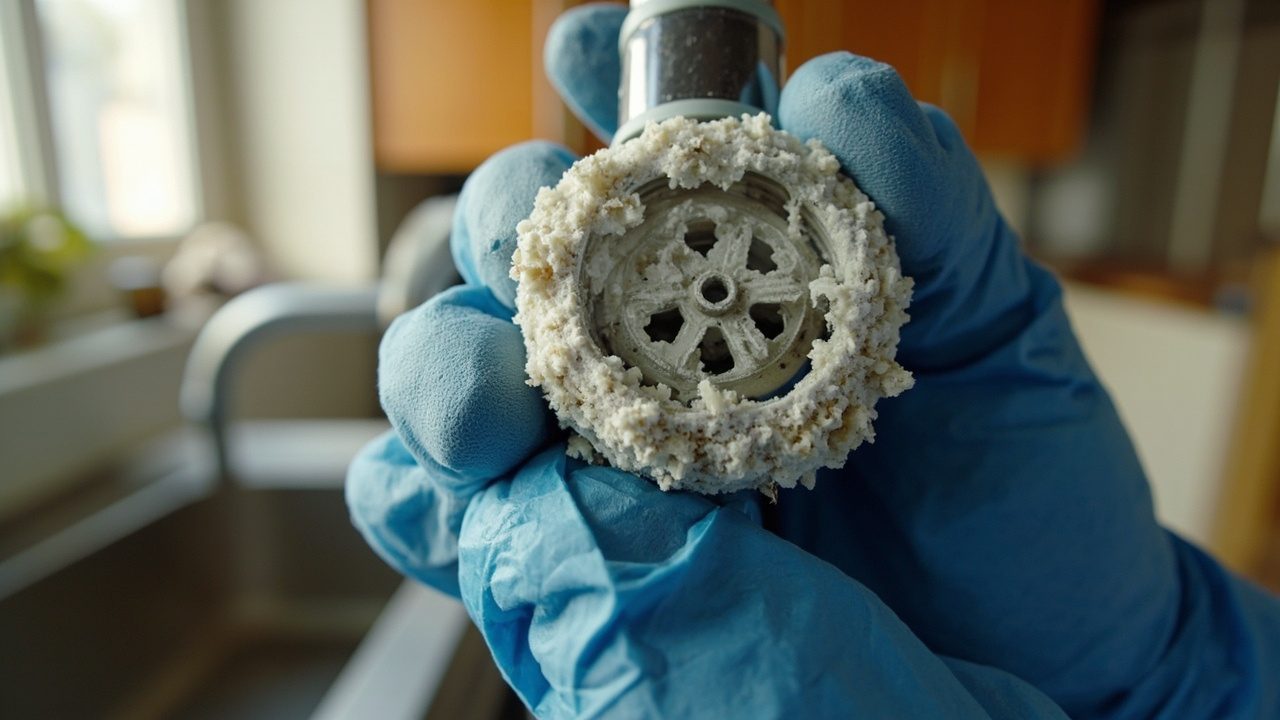
Every leak call is halved before a surface is opened. The meter is read with every fixture closed, then the main is closed and the dial watched again, which puts the loss on the street side or the house side. Closing stops and branches one at a time narrows it further. On a hairline leak behind tile, that sequence decides whether one wall section opens or several.
Camera after clearing
A drain camera with a locator goes in from the cleanout after the line is cleared, since a full line shows nothing but water. It shows continuous fall to the main, or standing water part way along a level run, which is a belly. Roots at a joint keep the repair at that joint. The locator gives the spot and the depth before any digging starts.
Current with local code
Technicians work from the adopted plumbing code and its local amendments, and review with the permit authority whether a permit applies before scope is written on gas work, water heater replacement or main line work. Those jobs carry permit and inspection weight far more often than a faucet swap does. On a tankless swap, the review covers the larger gas line, the venting and the condensate path.
Local ground knowledge
Caliche hardpan on the mesas and finer alluvial soil in the river valley call for different digs, so excavation depth and length are measured before a lateral or yard line job is scoped. Older central housing can hold galvanized, cast iron and clay in one house, and newer east and west side subdivisions bring PEX manifolds and PVC. Knowing which era sits where puts the right fittings on the first visit.
Plumbing services we handle across El Paso
Residential plumbing services here are mostly leak repair, fixture and valve replacement, water heater work and drain clearing, with repipe and slab work concentrated in the older and postwar housing. Scale decides much of the heater and valve work, and access to the pipe decides most of the rest.
Commercial work turns on downtime. It covers grease line jetting, scheduled drain service for kitchens and water heater capacity that has to hold through service hours, and older buildings add cast iron stacks and long horizontal runs that need camera inspection and descaling. Emergency work is defined by isolation speed. A burst line, a sewage backup or a failed water heater is contained at the stop, the main or the tank inlet before diagnosis starts, and after hours response follows the same sequence as daytime work.
Leak and water heater repair
Residential work covers stain removal from ceilings caused by active leaks, warm spots on floors from failed hot lines, and dripping heater valves. A typical job starts with a static pressure reading at the hose bib and ends with the same reading back inside the 45 to 70 psi range. On a slab home with copper run through the slab, a warm patch points at the hot line, and the decision is between breaking the slab at one point and rerouting that line overhead. On an older house with galvanized supply, the same visit often finds angle stops corroded past snugging, and those get replaced while the fixture is off. Drain clearing, sump pump work and gas line work inside the home also fall within residential scope.
Grease line jetting and drain service
Commercial work covers grease line jetting and maintenance, main line repair, water heater capacity work, restroom fixture programs and scheduled drain service for kitchens. Scheduling runs around service hours and occupancy, so jetting is set on a fixed interval rather than after a backup. The documentation covers camera footage of each run with locator depth, static pressure and hardness readings, and a written scope that separates repair from replacement, which is what a property manager, lender or underwriter reviewing the building asks for. A kitchen branch that backs up each time the dish machine drains is a typical case. The camera shows whether grease sits at one branch or a low spot holds water, and that sets the choice between scheduled jetting and a re lay.
Emergency plumber response
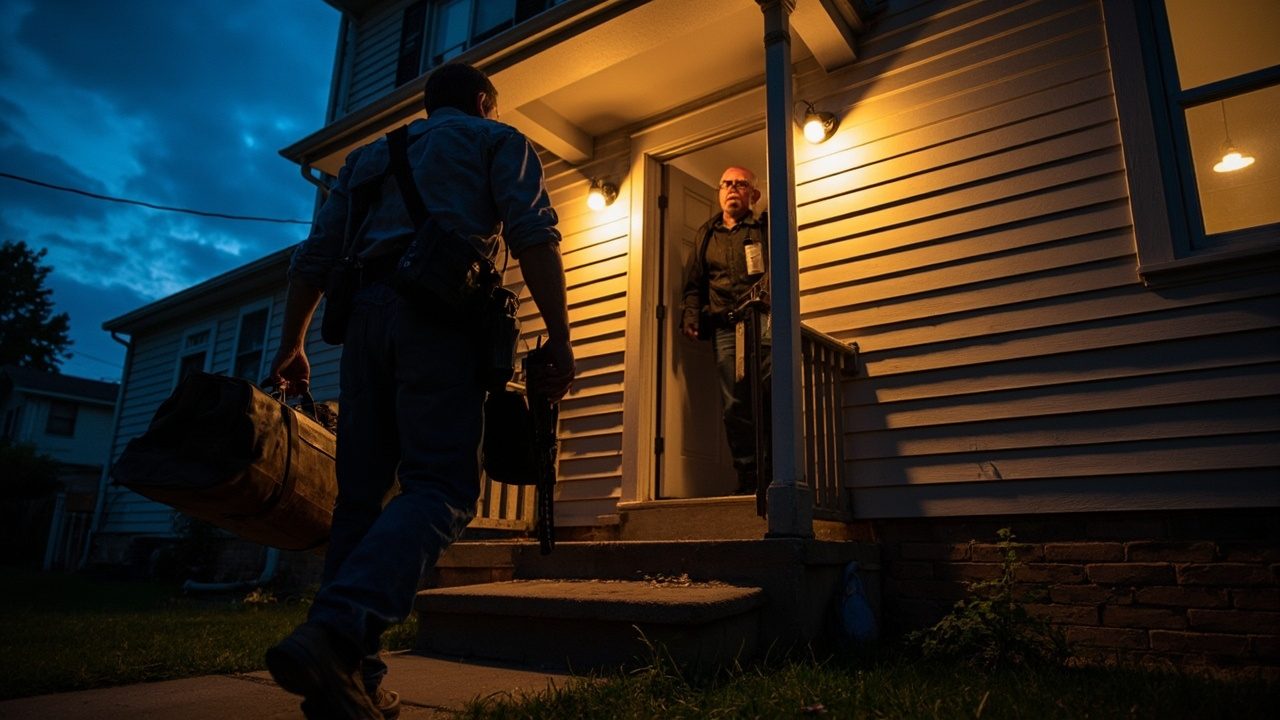
Emergency response covers burst lines, no water, active leaks, sewage backups and failed water heaters, at any hour. The first move on arrival is containment. For a supply leak that means the fixture stop or the main, then the circuit if water has reached outlets, a panel or a ceiling fixture. On a heater, the cold inlet on top of the tank is closed, the gas control or breaker is turned off and a hot tap on a lower floor is opened so the tank is not under vacuum. A sewage backup starts with every water use stopped, washer and dishwasher included, and nobody plunging a line that is already full. If you smell gas or rotten eggs, everyone goes outside, nothing gets switched on the way out, and Texas Gas Service is called from outside. Then the meter test determines whether the break is upstream or downstream of your property line.
Common plumbing problems across El Paso County
Most plumbing calls here begin as something you can see, hear or pay for. A ceiling stain, a warm spot on a floor, a meter dial turning with every fixture closed and a bill that jumped with nothing wet all point at supply water, which escapes under pressure all night whether anyone is home or not. A drain only escapes while something upstream runs, so a backup that shows at the wash cycle sits on a different segment. One slow fixture puts the fault on a branch or a trap, and every fixture slow with the lowest one backing up puts it on the main.
A hairline supply leak behind tile keeps the framing damp because nothing dries inside a wall, and the pipe repair then turns into a wall rebuild. Closing the main and calling today keeps the repair at the pipe.
One of our most-requested services here is 24/7 emergency plumbing services, see that page for pricing and process.
Freeze splits outdoor lines
Hose bibs, backflow assemblies and exposed outdoor lines split when an arctic front pushes temperatures into the teens after otherwise mild weather. Nothing shows until the ice clears. The report is no water at one outdoor fixture, then a wet wall or ceiling stain hours after the temperature recovers. That is a supply leak under pressure, so close the main and call the same day. Draining a hose bib before a freeze is a job you can do yourself.
Galvanized supply closing up
Galvanized steel supply corrodes from the inside, so the bore narrows over the years. The signs are rusty or discolored water for the first minute at a tap and weak flow at the farthest fixture while static pressure at the hose bib looks normal. A pinhole in a segment this old rarely stays alone, and a second one means the segment needs replacing rather than another spot repair. Call when discolored water stays after a full minute of running.
Roots and cracked laterals
Clay laterals are jointed in short sections, and roots enter at a joint, where paper and grease then catch every day. Every drain in the house runs slow first, and then the lowest fixture in the building backs up. A cleanout under head pressure empties onto whoever opens it, so leave it closed and stop all water use. The camera decides whether the repair is one joint or a re lay, and caliche hardpan decides how long the dig takes.
Heaters left unflushed
Owners postpone flushing the tank and checking the anode rod, and hard water scales the tank floor and heating element in the meantime. Rusty hot water at the first draw is the signal, because a bare core wire on the rod means the steel tank is now the metal being eaten. A valve on top of the heater that drips points at pressure or expansion, so read the hose bib gauge first. Call before the tank splits.
What the first visit looks like
The first stop is the hose bib, where a screw on gauge reads static pressure with everything in the house off, because a running fixture hides the real number. The meter test follows and takes fifteen minutes with every fixture closed. Before you call, know what you are seeing, when it started and what changed just before it. Find the main shutoff, note the age of the heater or pipe if you know it, and tell us whether anyone is in the property.
Your local utility, El Paso Water, publishes service and water-quality information every El Paso homeowner should know.
Contact before the visit
You get an arrival window when the visit is booked, and the technician calls before pulling up to the address. If the job ahead runs long, you hear about the new window by phone before the old one passes. Each call covers the same points, meaning what you see, when it started and whether water is still running. Have the main shutoff located and the area around the fixture cleared so the first stretch goes to the meter and the gauge.
Arrival and walkthrough
The technician introduces themselves, lays down floor protection before stepping inside, and asks you to show where you first saw the symptom. You describe what changed just before it started. The walkthrough covers the fixture, the shutoffs and the panel if water has been near a circuit. If a gas appliance is involved, an electronic detector finds where to look and bubble solution proves any leak at the joint. Nothing is opened until you both agree where the problem sits.
Handover and cleanup
Before leaving, pressure and flow are measured again and shown to you, and the dial has to sit still. The work area is cleaned, removed parts are shown to you if you want to see them, and old pipe is taken away. You keep a written record of the readings and of what was done, including any finding that sat outside the original scope.
From your call to finished work
Jobs that need a surface opened run as two visits. The first settles which side of the system holds the fault and produces a written scope, and access decides whether the second happens the same week, because a finished wall, a slab or a ceiling below needs its own restoration. Water is shut off only to the branch being worked on where the layout allows, so the rest of the house keeps running.
Three steps carry the work, the call, the scope you approve and the verification at the end. Permit lines, where they apply, sit in the written scope from the start.
Call and details logged
The call logs what you see, when it started, what changed just before it, the age of the system, where the main shutoff sits and whether anyone is in the property. Whether water escapes under pressure or only while a fixture runs decides how fast someone comes, since pressurised water keeps running all night and a drain escapes only while something upstream runs.
Diagnosis and written scope
Diagnosis ends in a written scope that itemizes access and surface restoration, a repair at one point against replacement of the run, matching old pipe to new, fixture or heater grade and any permit line. The pressure and hardness readings are attached so you see what decided it. Nothing starts until you read the scope and approve it.
Verified against code
Work is done to the adopted plumbing code with its local amendments, then measurement confirms it. Static pressure sits in the 45 to 70 psi range, and the meter dial holds still for fifteen minutes with every fixture closed. On a tank heater, the overnight pressure hold is read the next morning. Where a permit applies, inspection at stages follows through the permit authority.
Codes and inspections for plumbing work in El Paso
Plumbing permits inside city limits are issued by the Planning and Inspections Department through the Citizen Access Portal or at the One Stop Shop downtown, and work is inspected at stages during construction. The city adopts the International Plumbing Code with local amendments, and work outside city limits falls under the county or the neighboring town. Which office covers your address starts with that boundary, and the final call on any specific scope belongs to the authority.
A full replacement scope, such as a water heater swap, a repipe, gas line work or a main line repair, usually needs a permit. A like for like repair such as a flapper, a braided supply hose, a faucet cartridge or a fixture swap usually does not. Gas work and main line work carry the most permit and inspection weight, so the written scope marks each line that may need one, and the authority is asked which stages apply before anything is closed up.
Material choices carry their own standards. Cast iron drain is heavy and quiet and corrodes from the inside over decades, while PVC or ABS is lighter, faster to install and carries more noise through a wall. A partial replacement joins the two with a no hub transition band rather than glue, and that joint is where a run either holds or leaks. Cast iron under older slabs that cracks or corrodes shows up as slow drains and backups, and a camera run from the cleanout settles whether the run is repaired at one joint or replaced. On the supply side, type L copper is rigid and tolerates heat directly, while PEX puts fewer joints inside walls but has to stay out of sunlight and be protected where it passes through framing, which matters on outdoor and garage runs where intense sun degrades exposed plastic. Copper meets galvanized through a dielectric union. A pressure reducing valve normally goes in where static pressure reads above 80 psi, and a thermal expansion tank gives the heater somewhere to put expanded water on a closed system. The overnight pressure hold shows whether that tank is working, since a morning reading far above the night reading means it has failed. A recirculation loop on a water heater keeps hot water at the tap without running line water down the drain, and a check valve prevents backflow into the supply line where a connection enters the tank.
We install and service equipment from major manufacturers like Rheem to manufacturer specifications.
Reading the water first
The technical starting point is the hardness test kit at the tap. Water here commonly reads around ten grains per gallon or more, and above about seven grains per gallon scale forms steadily in heaters, tankless heat exchangers and valves, so the plan includes flushing, descaling or treatment. Static pressure gets read the same visit with everything off, because above 80 psi fixtures, supply hoses and heaters start failing early.
What moves the cost
Access moves the job furthest, meaning a finished wall, tile, a ceiling below, a slab or a crawlspace, and putting that surface back. Excavation depth and length come next, and caliche slows the dig. Then come one joint against the whole run, matching old pipe to new, and fixture or heater grade. Permit and inspection requirements weigh more on gas and main line work than on a faucet. Adjacent work in one opening lowers the total, and the scope states what happens if the opening finds more.
Timelines and benchmarks
A water heater replacement runs longer than the swap itself, because the overnight pressure hold has to be read before the final number counts. Finished work reads static pressure between 45 and 70 psi at the hose bib and a meter dial that remains motionless for fifteen minutes when all fixtures are shut. The hardness reading from the first visit goes on the paperwork, so the new heater and any treatment can be judged against it.
Which office applies
Your address decides which office issues the permit, and inspection stages are set by the authority for your scope. Gas work and main line work are the lines to expect permits on, and a faucet swap usually is not. When a line is uncertain, the authority is asked before work starts, and its answer goes into the scope you approve.
Measured, permitted, inspected, recorded
Answers for El Paso Homeowners
Thawing takes thirty minutes to several hours, depending on how long the ice plug is. Warm air from a hair dryer or heater aimed at the frozen stretch works best, starting nearest the open faucet so meltwater and steam can escape. Never use a torch or open flame on a pipe. Leave the faucet open while thawing, and check the pipe along its whole length for splits once flow returns.
Drip one faucet per supply line, choosing exterior-wall fixtures and those at the far end of long runs. A stream about the width of a pencil lead is enough, since moving water resists freezing and relieves pressure between the ice and the fixture. Open the cabinet doors under sinks on outside walls so room air reaches the pipes. Disconnect garden hoses first, because a hose left on holds water inside the bib.
A partly clogged aerator, cartridge or angle stop at that one sink is the most common cause. Scale or rust flakes collect in the aerator screen and the stop valve, cutting flow at that fixture while the shower draws freely. Unscrew the aerator and check the screen for grit. If it is clean, open the angle stop fully, since a stop partly closed or crusted inside restricts the line. Low flow at the farthest fixtures only can also mean a narrowing supply pipe.
Close the shutoff valve behind the toilet by turning it clockwise until it stops. If the valve will not turn, lift the tank lid and hold the float arm up so the fill valve stays shut. Push the flapper down into its seat as well. Do not flush again. Once the water level drops, check that the flapper sits flat and the chain has slack. A bowl that fills high again after a flush points to a clog in the trap or drain.
Bedrock Plumbing El Paso handles drain pipe work, including camera inspection, clearing and repair, so call (915) 350-8242. Rather than relying on star ratings, ask any company what they check before quoting. A useful answer includes a camera run with a locator that gives the depth and location of the fault, and a written scope that separates a single joint repair from replacing the run.
Coverage varies by policy, and most cover sudden, accidental water discharge but exclude the cost of reaching the pipe. Some pay for damage the leak caused, such as flooring or drywall, while denying the slab breakout. Wear, corrosion and long-term seepage are commonly excluded. Ask your carrier before repairs begin, and keep the written scope, the pressure readings and the locator findings, since adjusters look for documentation showing when and how the leak developed.
The charge depends on gas line size, venting, condensate drain and the unit itself, so no single number applies. Tankless units often need a larger gas line than the tank heater they replace. They also need stainless or approved venting and a path for acidic condensate. Hard water adds a descaling isolation valve kit for the heat exchanger. Compare quotes line by line rather than by total, to see which items are included.
Labor for a 50 gallon tank swap varies with access, code updates and the condition of the old connections. A heater in a tight closet or attic takes longer than one in an open garage. Corroded shutoffs, missing expansion tanks, or an absent drain pan add time and parts. Venting that no longer meets current requirements is another factor. Ask that labor, permit lines, and materials be listed separately so each driver is visible.
Plumbing Services in The El Paso Area
Explore our service area and locate Bedrock Plumbing El Paso with ease. We're proudly local and serve the surrounding neighborhoods with fast response and honest pricing. Use the map to check our coverage area, or call us and we'll confirm in seconds.
Address:
Bedrock Plumbing El Paso, 221 North Kansas St, Suite 700, El Paso, TX, 79901
Drinking water quality falls outside what a plumber measures. A hardness kit reads scale, and anyone worried about the water should read the utility report and send a sample from their own tap to a laboratory. Plunging a toilet, cleaning an aerator, swapping a flapper or a braided supply hose, draining a hose bib before a freeze and closing the main are homeowner jobs. DIY stops at anything soldered, anything on the gas line, anything behind a finished wall or under a slab, and any drain backed up past a cleanout. If a visit turns up work outside our scope, we say so then.
Last reviewed September 2026 by Dave Parker, Owner.