





A weeping joint on a plant line and what it means in El Paso
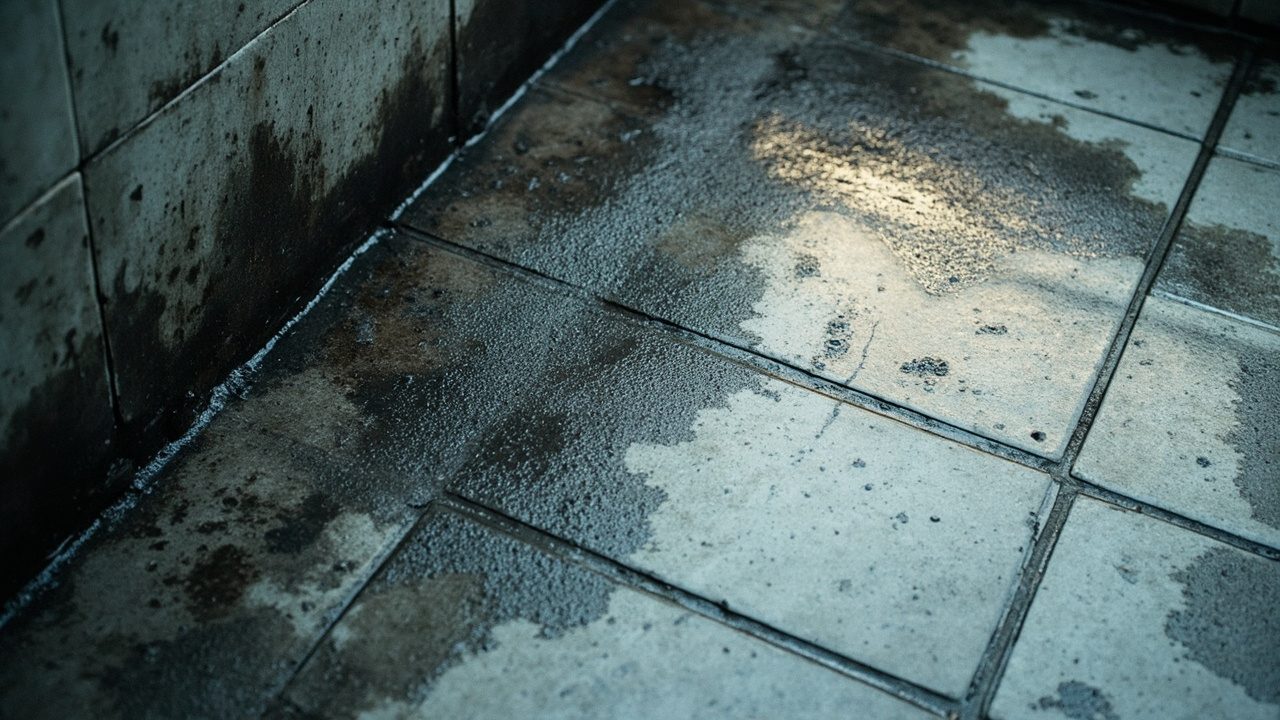
A damp stain climbs the wall below a restroom, a meter dial turns while every fixture in the building is closed, or a water bill jumps with nothing visibly wet. Each of those places the fault on the supply side. Pressurized water leaves a pipe all night whether the plant is running or not, while a drain only escapes when something upstream discharges. A leak that shows only during a wash cycle, or a floor drain that backs up when a machine runs, belongs to a different line and a different repair.
Water across the county tests moderately hard to hard, commonly around ten grains per gallon or more, and above about seven grains per gallon scale builds steadily in heaters, valves and fitting seats. A weeping fitting on a plant line is often a symptom of that scale as much as of the joint. Older commercial buildings add their own failures. Galvanized supply narrows from the inside and discolors the water at the tap, and cast iron drains corrode from the inside out. Postwar slab construction carries cast iron under the floor, so a warm patch on the concrete puts a hot line in question and a slow drain puts the cast iron in question. Buildings that were partly repiped often hold several materials in one run, and every change of material is a joint to identify before anything is cut.
Location sets the scope. One fixture slow is a branch or a trap, and every fixture slow with the lowest one backing up is the main. Exposed yard lines add sun and freeze exposure, since intense sun degrades plastic and a short hard freeze splits pipe that has no protection. Industrial plumbing services on supply and drain lines, and process piping repair on water and waste runs, start the same way, by shrinking the problem to one segment, because the segment is what gets replaced. For a facility manager the useful question is which branch feeds the stain, since closing that branch takes water off every fixture downstream, and plant plumbing maintenance records that list pipe material by branch shorten the answer.
A hairline supply leak behind tile keeps the framing damp because nothing dries inside a wall, and once that framing stays wet the pipe repair turns into a wall rebuild with the room out of service. Calling today beats waiting once you see that stain.
See burst pipe repair for how the related work is scoped and priced.
Your local utility, El Paso Water, publishes service and water-quality information every El Paso homeowner should know.
How pressure and the meter set the scope before any cutting
The sequence follows where the water is going. A screw on pressure gauge goes on the nearest hose bib with everything in the building off, because a running fixture hides the real static number. Then the meter is read with every fixture closed, and the dial or leak wheel has to hold still for fifteen minutes. The main is closed and the meter is watched again, and a dial that keeps moving puts the loss on the street side of the building. If it stops, stops and branch valves are closed one at a time until the loss stops, and only then does a wall, ceiling or floor get opened. On a drain the order flips, since a full line shows nothing but water. The line is cleared first, and the camera and locator go in from a cleanout second.
Static pressure between 45 and 70 psi is the normal band, and a reading inside it means the fault sits in the pipe itself. A reading above 80 psi means fixtures, supply hoses and heaters are failing early and a pressure reducing valve is normally required, so it joins the scope alongside the failed section. Leaving the gauge on overnight adds a second reading. A morning figure far above the night figure means the heater is expanding water into a closed system, which puts a thermal expansion tank in the scope. The camera settles the drain fork. Roots at one joint mean a repair at that joint, and standing water part way along a level run means a belly in the line, which means re laying that stretch. A hardness kit at the tap settles the last fork, since water above about seven grains per gallon puts flushing, descaling or treatment into the plan.
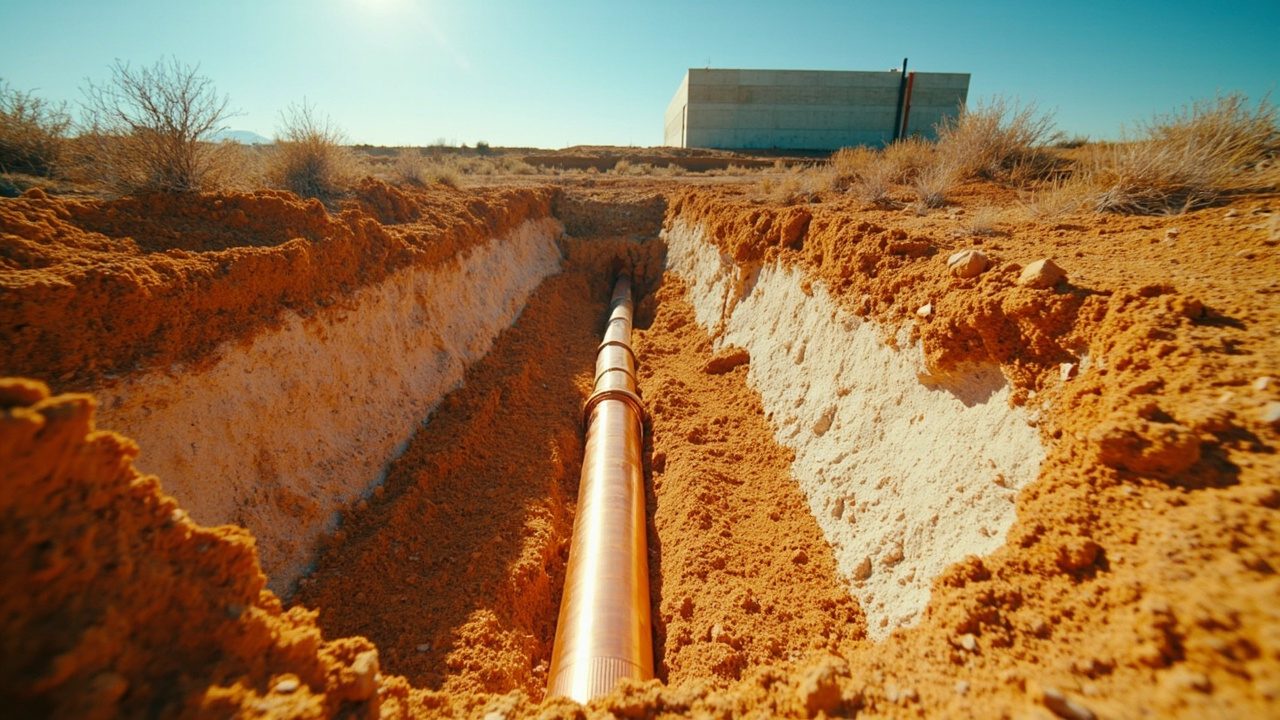
Matching the existing pipe decides more than which material wins. A new section has to meet the old run at the same diameter and in a compatible material, or it pushes load onto the old joints beside it. Industrial pipe fitting on the plumbing side follows that single rule. Where the run is cast iron and the repair is PVC or ABS, the joint is a no hub band with a proper transition. What decides between replacing in cast iron and changing to plastic here is the ground and the floor. Older slab buildings keep cast iron under the concrete, and caliche hardpan slows every excavation, so a partial replacement with a transition at the break, or lining where the host pipe is still round, usually beats trenching a full run. Cast iron stays the better match where the rest of the stack is sound and wall noise matters, and plastic wins where the old run is failing along its length. A belly in the line is the exception, because only open cut restores slope.
More detail on frozen pipe thawing & repair is on its own page.
Price-checking is smart: marketplaces like Thumbtack publish typical cost ranges you can hold any quote against, including ours.
Narrow this to two options before calling, then ask which one suits the house.
| Option | The numbers a buyer weighs | Best suited to |
|---|---|---|
| Cast iron drain against PVC or ABS | Cast iron is heavy and quiet and corrodes from the inside over decades | Drain replacement under a finished house |
| Sump pump selection | Sized by horsepower against the vertical lift plus pipe run it has to push through | Basements with a real lift to the discharge |
| Tank water heater against tankless | A tank is judged on capacity in gallons and its first hour rating | Households with long back to back hot water use |
How an industrial pipe repair call runs
First call and isolation
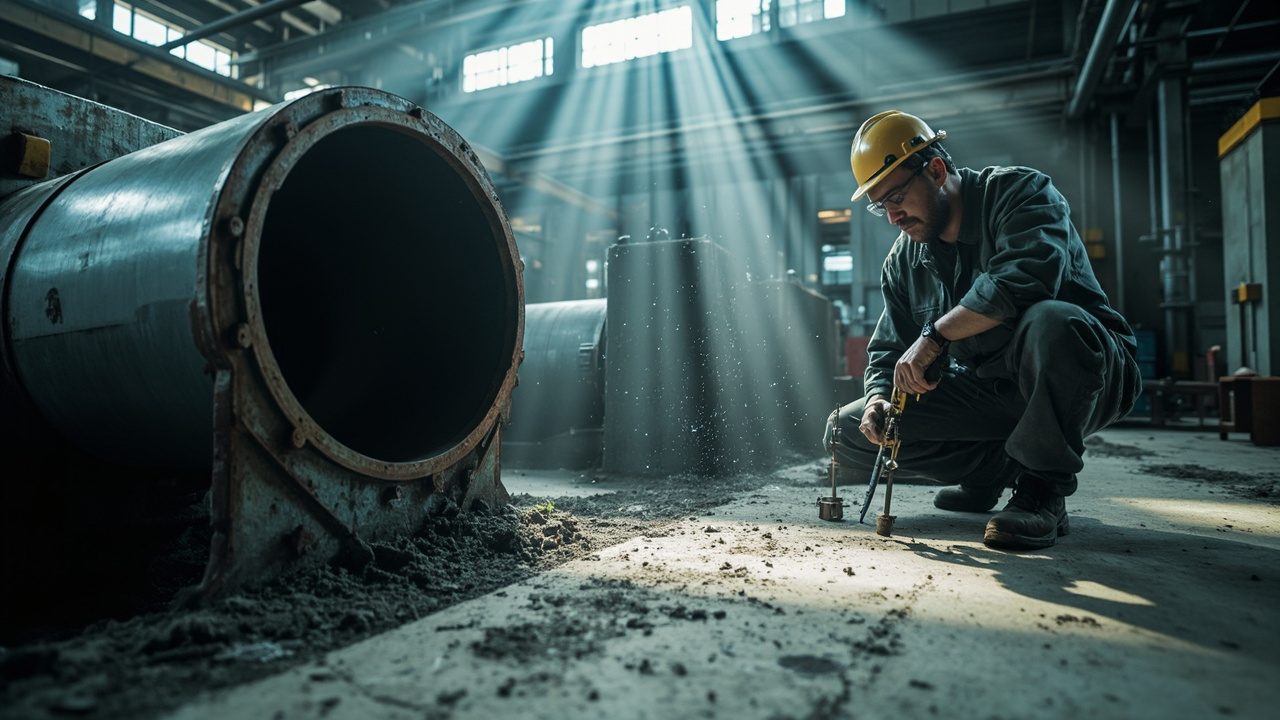
On the phone you are asked where the symptom shows, whether you can reach a main shutoff, and what the pipe is made of if you know. On site, the gauge goes on the hose bib with everything off, then the meter is watched with every fixture closed and again with the main closed. Each stop and branch gets shut down in sequence to pinpoint where the leak originates. You can watch each step, and no wall, ceiling or floor is opened until the loss has a location. A drain gets cleared first and the camera goes in second.
Approved scope and the cut
Once the scope is approved, the branch is isolated and drained first. The cut goes back to sound pipe, and the material and diameter of the remaining run are measured so the new section matches. Copper meeting galvanized steel takes a dielectric union, and cast iron meeting plastic takes a mechanical coupling with a graduated sleeve. Soldered type L copper, or the fitting system the run already uses, joins the new section. If the opening shows wet framing or a second pinhole in the same segment, work stops and you see it before the scope changes.
Pressure hold and handover
Before we leave, the same gauge goes back on the hose bib with everything off and has to read inside the 45 to 70 psi range. If pressure was above the band, the gauge stays on overnight and the morning figure is compared with the night one. The repaired branch is then watched at the meter with every fixture closed, and the dial must hold still for fifteen minutes. We walk you through each new joint while it is still open. You keep a written record of pipe material, size and joint type at every connection.
Why desert water and old metal change a plant pipe repair
Gas work and main line work usually need a permit, and a like for like fixture swap usually does not. The permit authority for the site makes the final call. A building outside city limits falls under the county or the neighboring town, so the first question on any job is which jurisdiction the building sits in, and the scope gets written after that answer.
An unfamiliar crew tends to make four mistakes here, and each one has a measurable consequence. The first is joining cast iron to plastic with cement instead of a transition band. Plastic cement has nothing to grip on cast iron, so the joint weeps. The second is joining copper straight to galvanized steel without a dielectric union, so the two metals corrode at the joint and the old fitting beside it fails next. The third is budgeting a trench as if the soil were soft. Caliche layers slow every lateral and yard line dig, and the job runs longer than the plan assumed. The fourth is skipping the hardness reading, which puts a new heater or valve into water above about seven grains per gallon with no plan for scale.
The county spreads across mesas, foothills and a flatter river valley, and the ground under a building changes with it. The finer alluvial soil in the valley holds more water than the sandy, gravelly ground on the mesas, so a lateral there sits in wetter ground. Monsoon storms run off quickly and collect in low streets and dips, which is when a cracked lateral takes water from outside. Calls are triaged by phone on side of the system, pipe material and isolation, so the crew arrives with the transition bands and unions the run needs. Freezing nights arrive every winter but most are short, and only arctic fronts that drop well into the teens split exposed hose bibs, backflow assemblies and outdoor lines, so a new exposed run is routed with that risk in mind.
Our page on apartment complex plumbing covers that side of the work in more depth.
What an industrial pipe repair looks like from your side
Scheduling and arrival windows
The first questions on the phone are which side of the system is affected, whether water is leaving under pressure, and whether the building can isolate the branch. Those answers decide between a same day visit and a scheduled one. The person who answers confirms the arrival window before the call ends. If the job ahead of yours runs long, the window moves, and the new time comes from that same person. A maintenance lead can plan around it.
Protection and cleanup
Before anything comes apart, floors, adjoining equipment and the route from the truck to the work area are covered. Water is isolated at the nearest stop or branch valve first, so the work area stays dry while pipe is cut. Tools stay staged on one drop cloth, and cut sections, old fittings and cast iron pieces are bagged and hauled out with the crew. The last step is wiping down the work area and showing you the repaired section before it is closed in.
What moves the scope
Reaching the pipe and restoring the surface move the job furthest, so a finished wall, a slab or a ceiling below raises it and open access lowers it. Depth and length of excavation come next. A repair at one joint costs less than replacing the run, and the condition of the rest of the run decides which. Matching old pipe in material and size adds transition parts and labor. Fixture grade and after hours dispatch raise it. You approve the written scope before work starts, including what happens if the opening finds more.
How technicians are checked
A new technician rides with a lead before working alone, and the lead signs off on specific tasks, including reading static pressure with everything off, making a cast iron to plastic transition with a no hub band, and running the camera from a cleanout. Code updates are read and discussed before they change how a job is done. On an unusual job, such as a run that changes material more than once, a second technician looks at it before a scope is written.
You Have Questions,
We Have Answers
JB Weld slows a pinhole weep on a dry, low-pressure line but fails on pressurized supply pipe. Epoxy needs a clean, dry, roughened surface to bond, and water pushing out of the leak washes the surface before the putty cures. Vibration and thermal cycling then crack the hardened patch, usually within days. Treat any epoxy patch as a temporary measure until the segment is cut out and replaced with matched pipe.
A stainless repair clamp with a rubber sleeve is the strongest sealant option for a metal pipe leak. Two-part epoxy putty also works on a small leak in bare metal. The metal must be wire-brushed to bright, dry surface first, because rust and scale prevent adhesion. Putty suits a pinhole with the line drained. A clamp suits a pinhole on a live line, though pitting usually means the surrounding wall is thin and the section should be replaced.
Relining cost is set by pipe length, access, cleaning effort and diameter, so a camera inspection comes first. Longer runs and larger diameters raise the job. Heavy scale or root intrusion needing extra cleaning before the liner goes in also raises it. Open cleanouts near the run lower it, since fewer access pits are needed. A written scope after the camera pass gives the real number before work begins.
Epoxy fixes a leaking pipe in two forms, a putty patch for pinholes and a cured-in-place liner. Putty is temporary on pressurized lines. A liner works from inside a drain or waste line by bonding a resin-soaked sleeve to the host pipe wall. Liners need the host pipe still round, so a camera pass must confirm no collapse or belly before choosing this route.
Flex Seal does not hold on pressurized metal pipe. The rubberized coating sticks poorly to wet or rusted steel, and it peels once line pressure pushes water under the film. It may mask a weep for a short time on a dry, unpressurized surface, but it does not fill a corroded hole or restore wall strength. A failing joint or pitted section needs a clamp, a coupling or a replaced segment.
Isolate the line, then clear it with a cable machine or hydro jet matched to pipe diameter. A camera follows the cleaning to find what caused the blockage, such as grease buildup, scale, roots or a sagging section. Chemical drain cleaners are a poor choice in commercial lines, since they sit above the clog in a standing line and attack old fittings. Supply lines blocked by scale usually need descaling or section replacement.
Epoxy relining cost rises with footage, diameter, access points and how much cleaning the old pipe needs first. Bends, branch reconnections and lateral tie-ins add labor because each one must be cut open after the resin cures. Lower cost comes from straight, accessible runs with cleanouts at both ends. Because pricing depends on what a camera shows inside the pipe, the figure comes only after inspection and a written scope.
Epoxy lining cost follows the same drivers as any lining job, starting with length and diameter of the run. Pre-lining prep is often the swing factor, since descaling or root cutting on corroded cast iron takes time. Pipe that has partly collapsed cannot be lined and needs open-cut replacement, which changes the scope entirely. A camera survey before quoting shows which method fits and prevents surprises mid-job.
Cured-in-place lining or a partial replacement through existing openings fixes cast iron without excavation. Lining works where the pipe is still round, after hydro jetting removes scale and a camera confirms the wall. The resin sleeve is inflated and cured hot or with light. Access comes through cleanouts, roof vents or a single small pit. Pipe with a belly or a collapsed section still requires opening the ground.
Cutting out the failed segment and installing a matched section with the correct coupling is the most effective fix. Patches and wraps hide the leak while corrosion continues along the pipe. A proper repair starts with isolating the branch, cutting back to sound pipe and measuring the remaining diameter. A pressure hold afterward confirms the joint, with the gauge reading inside the normal static band and the meter dial holding still.
Why hard water and caliche change industrial pipe repair in El Paso
Ground and water decide more of an industrial pipe repair here than the pipe does. Desert soils are sandy and gravelly on the mesas and foothills, with layers of caliche hardpan that slow trenching for laterals and yard lines, while the river valley has finer alluvial soil that holds more water. Slow digging pushes a run of similar pipe toward a repair at one joint, or toward lining when the host pipe is still round, and it makes trench length the number to settle first. The supply is a blend of surface water and groundwater, moderately hard to hard, and above about seven grains per gallon it scales heaters, tankless heat exchangers and valves, so flushing, descaling or treatment is planned into the job. Extreme summer heat stresses water heaters and outdoor lines, and intense sun degrades exposed plastic. Short hard freezes follow mild days and split anything outdoors that has no protection.
Staged inspection means the open joint is the evidence, so new joints stay uncovered until the pressure hold finishes, and anyone who inspects the work sees the same transitions that were tested. A meter that keeps moving with the main closed puts the loss on the street side, and where responsibility for that section sits is a question for the water utility and the permit authority. On runs that are the same age everywhere, the repair is phased. The failing segment goes first, with connections left ready for the next section as budget cycles allow. The written record lists pipe material, size and joint type at each connection, so a lender, an underwriter or a due diligence reviewer reads the same document the crew worked from. Permit records on gas and main line work sit in the same file and can be checked against the authority.
Plumbing Services in The El Paso Area
Explore our service area and locate Bedrock Plumbing El Paso with ease. We're proudly local and serve the surrounding neighborhoods with fast response and honest pricing. Use the map to check our coverage area, or call us and we'll confirm in seconds.
Address:
Bedrock Plumbing El Paso, 221 North Kansas St, Suite 700, El Paso, TX, 79901
Additional Services We Offer
- Apartment Complex Plumbing
- Commercial Backflow Prevention & Testing
- Commercial Kitchen Plumbing
- Commercial Plumbing Contractors
- Commercial Repiping Services
- Commercial Sewer Line Repair
- Commercial Toilet & Urinal Repair
- Commercial Water Heater Systems
- Grease Trap Cleaning & Pumping
- Hydro Jetting Services
- Medical & Dental Gas Plumbing
- Preventative Commercial Maintenance
Plunging a toilet, cleaning an aerator, swapping a flapper or a braided supply hose, and finding and closing the main shutoff are homeowner jobs. DIY stops at anything soldered, anything on the gas line, anything behind a finished wall or under a slab, and any drain already backed up past a cleanout. Process piping that carries anything other than water and drain service belongs to the plant's own pipefitters, and we tell you so on the first visit.
Before you call, know where the symptom shows and when it started, and what changed just before it. Read the meter with every fixture closed and note whether the dial moves. Find the main shutoff and the nearest hose bib, and note the pipe material and the age of the run if you know them. Say whether anyone is in the building.
Last reviewed September 2026 by Dave Parker, Owner.