





What septic lots and hard groundwater do to plumbing here
Most Chaparral homes send their wastewater to a septic tank on the same lot, and sewer reaches only some parts of the community. A slow drain therefore means something different here. Solids build in a tank that has gone unpumped, and as more homes go up on each block the drain fields take a heavier load, so wastewater backs toward the house until the lowest fixture gurgles. A snake through the cleanout gives short relief and leaves the restriction in place. The ground adds its own terms. Desert sand and loamy sand drain fast and barely shrink or swell, which is easy on slabs, but trench walls in loose sand cave in and a hard caliche layer sits below the surface in places.
Housing age sets the pipe material, and the material sets the failure. Homes from the 1960s through the 1980s are mostly older mobile homes on piers with skirting, with plastic supply lines exposed under the floor and plastic drains running to the tank. The 1990s and 2000s built most of what stands now, a mix of manufactured homes with their plumbing in the crawl space and site built houses on slabs with plastic drains, most on septic. Homes from the 2010s onward have PEX supply lines, PVC drains and slab foundations. Exposed plastic under a floor splits in a short hard freeze, and a slab hides its pipes under concrete.
Water here is groundwater, supplied by several small companies. Lake Section Water Company is the largest and CBG Water Company serves a smaller group of customers. Groundwater in this part of the desert tends to be hard, so each system's annual water quality report is where you read your own hardness. Scale builds in tank water heaters, faucet cartridges and valves, and a hardness test kit at the tap settles the question. Desert Aire is still building out, with vacant lots on dirt road access being sold now. A new home there usually starts with a water line at the road and no sewer, so the job is often a new service line run across the lot and a house drain tied to an onsite septic system. A service line that long, buried shallow in loose sand, leaks at its fittings long before the surface shows it.
One of our most-requested services here is plumbing services, see that page for pricing and process.
How we scope and check plumbing work on Chaparral lots
Scope on a Chaparral job starts at the water meter with every fixture closed. The leak indicator or the dial should not move over fifteen minutes, and any movement means water is leaving the system somewhere you cannot see. Sand drains fast, so a leaking line seldom leaves a puddle at the surface, which makes the meter the first reading that matters. Closing the main and reading again splits the problem, because a dial that keeps turning with the main closed puts the loss on the street side of the valve. A dial that stops puts the loss inside the house, and closing stops and branches one at a time narrows it to a segment before a wall, floor or trench gets opened.
Drains follow a different order. A full line shows nothing but water, so the line is cleared first and the camera goes in second, run from a cleanout. The camera settles whether the pipe falls continuously to the tank or holds standing water part way along a level run, which is a belly, and it shows roots at a joint that call for a repair at that joint. If the line is clear and every fixture is still slow, the written scope says the tank or the drain field is the next question.
Nothing opens until you have seen the written scope and approved it. The scope itemizes the repair, adjacent work and surface restoration, and states what happens if the opening finds more. Before leaving, the technician who did the work repeats the reading that justified the job, and a second technician reviews the readings and photos before the invoice goes out. New technicians work beside a senior one and demonstrate the isolation sequence themselves before they take a call alone. A job that looks unusual, such as a leak on a buried line with no sign at the surface, goes to the owner for a second opinion before the scope is written.
From routine maintenance to shower & bathtub plumbing, the same local crew handles every call.
Septic aware drain calls
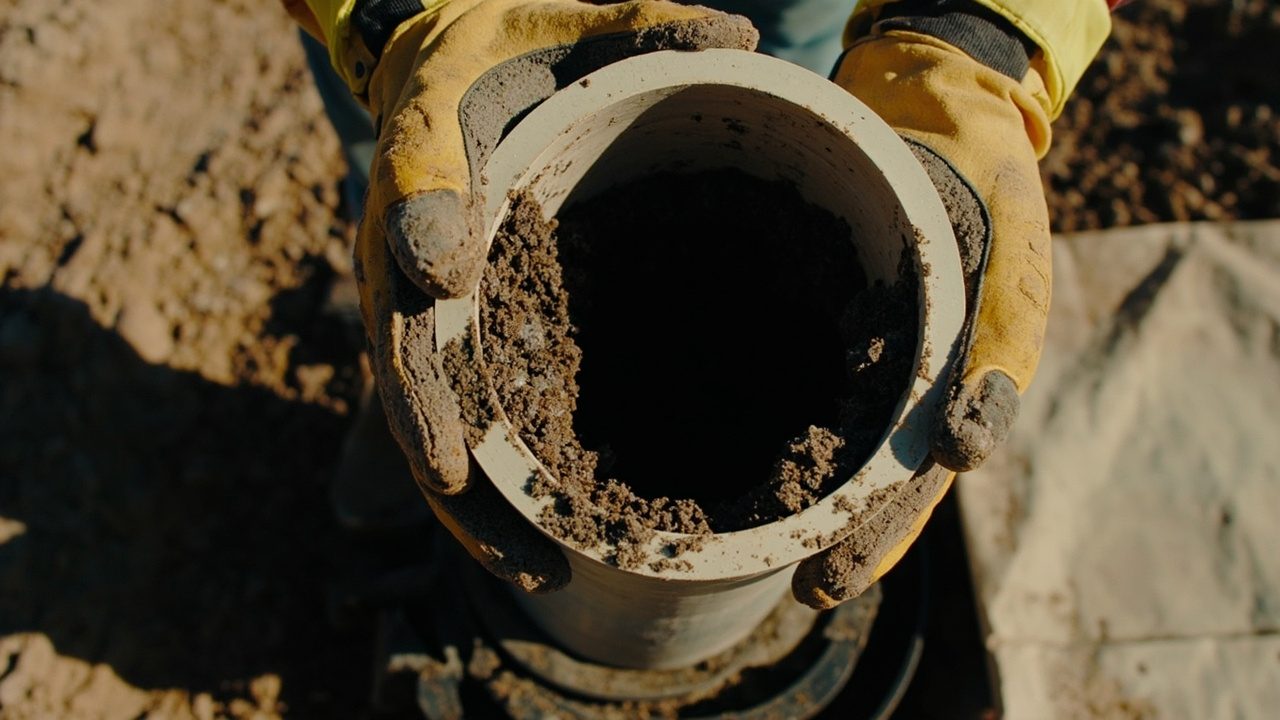
Every drain call starts with the question of whether the house drains to a sewer or to a septic tank, because the answer changes where the restriction can sit. When every fixture is slow and the lowest one backs up, the tank inlet and the drain field are treated as suspects before anyone proposes a longer cable or a new line. That keeps a septic problem from being written up as a pipe problem.
Pressure gauge readings
A screw on gauge at a hose bib reads static pressure with everything in the house off, since a running fixture hides the real number. A reading in the 45 to 70 psi range is good. Above 80 psi, fixtures, supply hoses and water heaters start failing early. Left on overnight, the gauge shows whether a failed expansion tank is trapping heater expansion in a closed system.
Code family kept current
Every technician works from the Uniform Plumbing Code as it applies to plumbing here, and reads adopted changes before they show up on a job. On gas work and water heater work that governs how a temperature and pressure relief valve is piped and how a vent is run. Where the pressure reading calls for a thermal expansion tank, it goes in on the same visit.
Large lot knowledge
Plumbers in Chaparral work lots in Doña Ana County where the house often sits far from the road and the service line runs the whole distance through loose desert sand. Mobile homes on piers, manufactured homes over a crawl space and slab houses each fail in their own place, so the first walk covers the service line, the floor or slab, and the tank.
Plumbing work we handle across Chaparral
Residential work here is mostly supply leaks under floors, water heater replacement in hard water and drain clearing that turns into a septic question. Sump pumps and gas line work inside the home sit in the same tier, and repipe work follows when the pipe is the same age everywhere. Commercial work turns on scheduling. Grease line jetting and scheduled drain service for kitchens run around service hours, and main line repair and booster work are planned to shorten downtime.
Emergency work changes the order. A burst line, a sewage backup or a failed heater needs containment first, meaning stops closed and power or gas off, and diagnosis second. After hours response follows the same sequence with less daylight, so the location of your main shutoff matters more than any tool in the truck.
Leak repair and water heater replacement
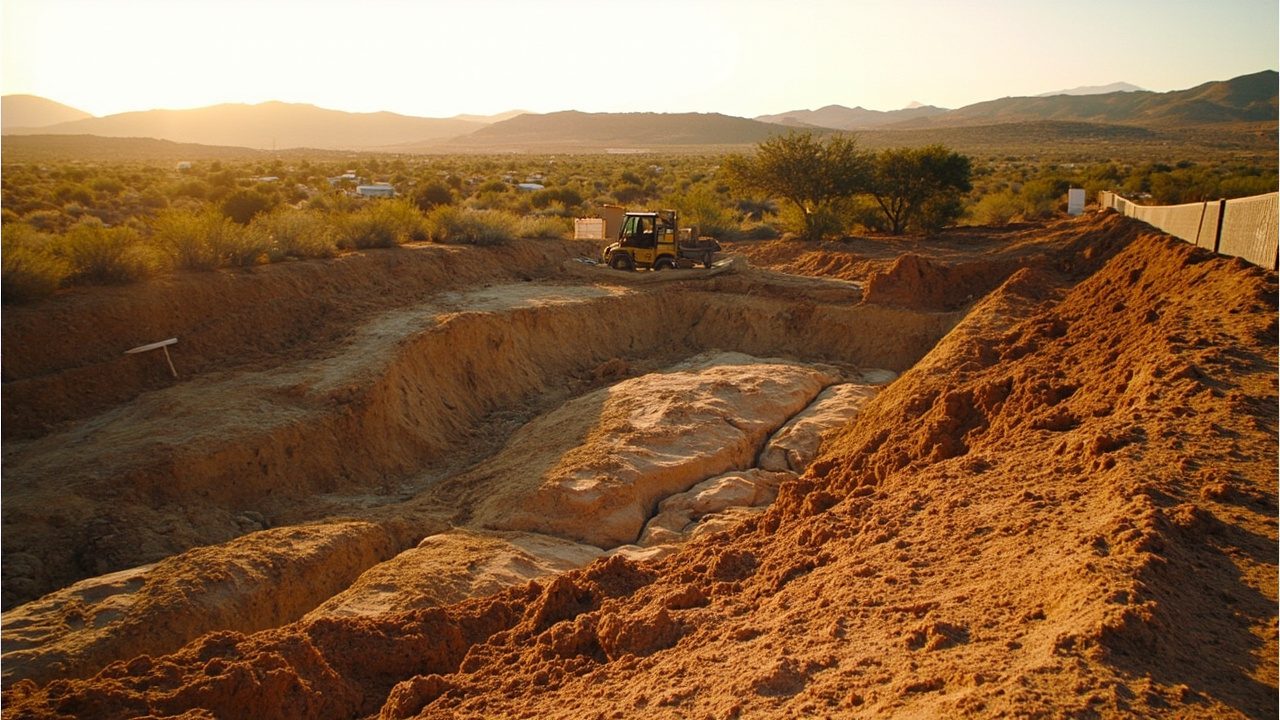
Residential work covers leak repair, fixture and valve replacement, water heater repair and replacement, drain clearing and repipe work. A typical call starts with a wet spot under a manufactured home and ends with the exposed plastic supply run replaced in PEX from a manifold, kept out of sunlight and protected where it passes through framing. Type L copper is rigid and tolerates heat directly, but it costs more in material and labor. PEX is flexible, so a home run layout puts fewer joints in the floor. A supply line under concrete is a different decision, where rerouting overhead is weighed against breaking the slab. On a tank heater, the anode rod pull comes with the visit once headroom above the tank is checked.
Grease line jetting and drain service
Commercial work covers grease line jetting and maintenance, main line repair, water heater and booster work, restroom fixture programs and scheduled drain service for kitchens. Scheduling runs around opening hours, because a kitchen line that backs up during service is the costly version of a problem that a set jetting interval catches earlier. Where a property drains to a septic system, grease loading on the tank belongs in that schedule. The documentation covers camera findings, meter and pressure readings and the scope as approved, which is what a lender, an underwriter or a property manager asks to see. Main line repair is written as a repair at one joint or a replacement of the run, with the depth and length of excavation stated in the scope.
Burst line and sewage backup response
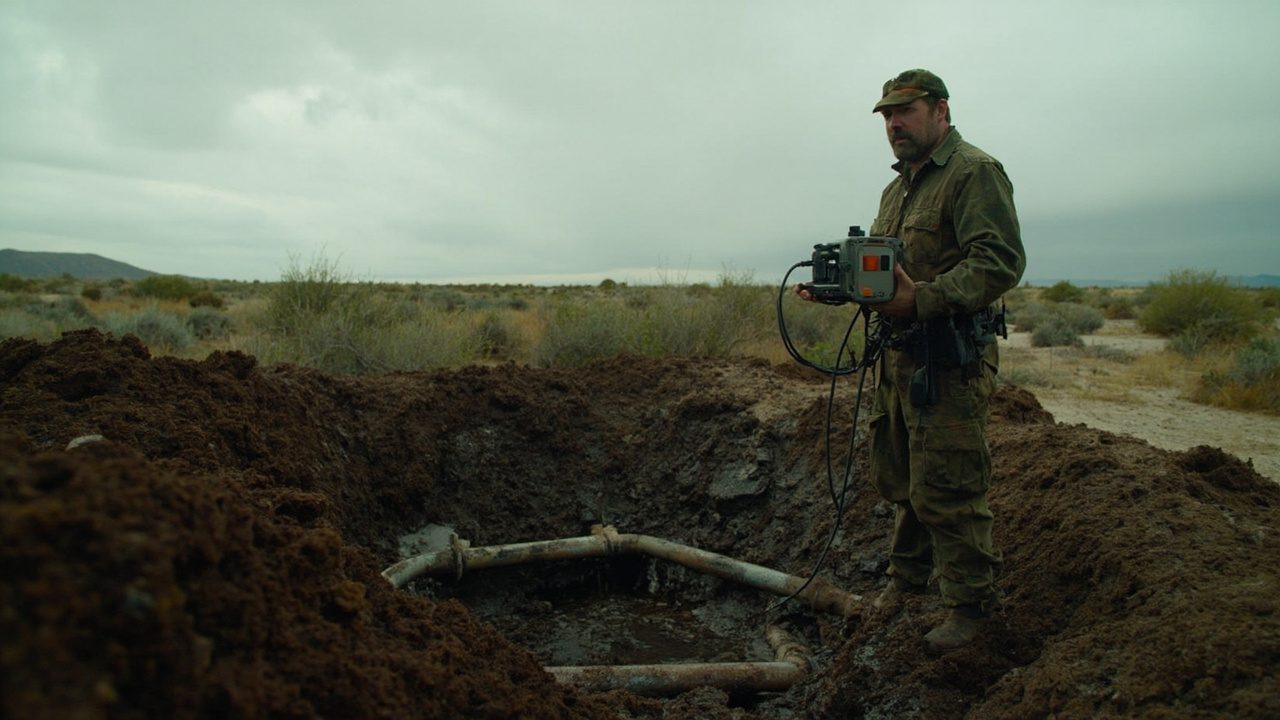
An emergency plumber call covers a burst line, no water, an active leak, a sewage backup, a failed water heater and after hours response. The first move on arrival is shutting the water off at the fixture stop or the main, because pressurized water escapes all night whether anyone is home or not. If water has reached outlets or a ceiling fixture, that circuit is killed before anyone steps into the wet area. For a failed heater the cold inlet closes, the gas control or breaker goes off, and a hot tap opens on a lower floor so the tank does not sit under vacuum. On a sewage backup every water use stops, including the washer and dishwasher, and nobody plunges a line that is already full.
The plumbing problems we see most in Chaparral
Every fixture draining slowly, with the lowest drain gurgling or backing up, puts the restriction downstream of the house. On most lots that means the septic tank or the drain field. Solids settle in a tank that has gone unpumped, carry over to the drain field and seal the soil, and the pipe then fills back toward the house. One slow fixture points at a branch or a trap instead.
On the hot water side, where hard groundwater does its damage, call today when the first minute of hot water runs rusty. The anode rod is eaten away, the steel tank has become the sacrificial metal, and a split tank arrives after the rust does.
Need something specific? Our 24/7 emergency plumbing services page breaks down exactly how we handle it in Chaparral.
Short freezes on exposed lines
A short hard freeze splits a supply line at its coldest, least protected point, and nothing shows until the ice clears and the pipe is under pressure again. Here that means exposed plastic lines under raised homes and hose bibs. You see no water at one fixture while the rest of the house runs, then a wet floor or ceiling hours after temperatures recover. Close the main when the stain appears, then call.
Plastic supply under the floor
Manufactured and older mobile homes carry their supply in the crawl space or exposed under the floor, so a hairline leak drips onto ground nobody looks at. A water bill that jumped with nothing wet, or a warm spot in one place on a slab floor, is the sign. A meter dial turning with every fixture closed confirms it. Call once the dial moves, because framing and insulation stay damp and a pipe repair becomes a floor repair.
Long service lines in loose sand
A service line runs from the road across a large lot, often buried shallow in loose sand, and it leaks at a fitting or a bend long before anything shows on the surface. Read the meter with every fixture closed, then close the main and read again. A dial that keeps moving with the main closed puts the leak on the street side. Call the same day when that happens, and keep everyone off soft ground.
Scale in tank water heaters
Hard groundwater builds scale in tank heaters, faucet cartridges and valves. The common classification runs soft, moderately hard, hard and very hard, and the jump from moderately hard to hard is where scale starts showing on service calls. Crusted aerators and a second shower that runs cold are the signs. A hardness test kit at the tap reads the water, and flushing the tank and treating the water come before buying another heater.
Find the sign you have, then read across to see whether it can wait.
| Symptom or first sign | What is already happening | What it becomes if ignored | When to call |
|---|---|---|---|
| An anode rod eaten away | The steel tank becomes the sacrificial metal | Rusty hot water arrives first and a split tank arrives after | This week, while it is still one part |
| A toilet that runs after flushing | The flapper lets the tank refill all night and the fill valve cycles constantly | The valve wears and sticks open with the overflow carrying it away unnoticed | This week, while it is still one part |
| A hairline supply leak behind tile | The framing stays damp | The pipe repair turns into a wall rebuild | This week, while it is still one part |
| A weeping angle stop under a sink | The compression nut corrodes so it cannot be snugged | The stop snaps off in someone's hand during a faucet change | Now, the same day |
| Incoming pressure above the normal band | The relief valve on the heater starts weeping | The tank seams work harder every cycle and the heater fails years before it should | This week, while it is still one part |
| Roots at one clay joint | Paper and grease catch at that spot every day | The main backs up into the lowest fixture in the building with no warning | Now, the same day |
What happens on the first visit
The first stop is the water meter, because a dial that moves with every fixture closed splits supply from drain in about fifteen minutes. On a drain call the first stop is the cleanout and the fixture that backs up. Before you call, know when the symptom started and what changed just before it, roughly how old the water heater is, whether the house drains to a septic tank or a sewer, and where the main shutoff and the panel are. Say whether anyone is home and whether water is reaching an outlet or a ceiling.
The Texas State Board of Plumbing Examiners publishes the rules that govern work like this in your area.
Confirmation and arrival window
The call that books the visit confirms your address and what you described about the drain, the meter or the heater. On the day, a second call gives the arrival window. If the job ahead runs long, you get a call with the new window before the old one closes. Everything runs by phone, so the number that called you is the number to call back with any change, including a fixture you shut off or a stain that spread.
Who arrives and what is protected
The technician gives their name at the door, lays floor protection down before stepping inside, then asks you to show where the water appears and describe when it started. The walk covers the main shutoff, the water heater and the fixture stops. Nothing gets opened during that walk. On a manufactured home it includes the skirting access and the crawl space entry, which is where the technician goes and you do not.
Handover and cleanup
Before leaving, the reading that justified the job is repeated and shown to you, whether that is the meter dial holding still for fifteen minutes or static pressure sitting inside the 45 to 70 psi band. The work area is swept and the floor protection comes up. Any part that was removed is shown to you before it is discarded. You keep the written scope with what was done, and the technician points out the main shutoff and any stop that was replaced.
From your call to finished plumbing work
A Chaparral job runs in three moves. The call sorts supply from drain, the visit isolates the fault and produces a written scope, and the repair ends on a measurement. Timing depends on access more than on the part. A fixture stop or a heater element goes in the same day, while a buried line across a lot waits on the trench.
Loose sand lets trench walls cave in and a hard caliche layer in some places slows the dig, so depth and length are settled in the scope before excavation starts.
The call sorts the problem
The call gets logged by affected fixtures, the age of the system if you know it, the septic or sewer question and whether water is escaping under pressure. That last answer decides dispatch. Water reaching a ceiling or an outlet, or a line running all night on its own, moves the visit to tonight. A single slow drain can wait for tomorrow morning.
Diagnosis and written scope
The isolation sequence runs first, meter with every fixture closed, then the main closed, then stops and branches until the loss stops. The written scope lists the repair, adjacent work such as a pressure reducing valve or expansion tank, surface restoration and excavation as separate items, and describes what gets addressed if the inspection uncovers additional damage. Nothing starts until you approve it.
Finished work and a test
The work is done to the plumbing code as adopted for this work, then the reading that started the job is repeated. That means the meter dial still for fifteen minutes, static pressure inside the 45 to 70 psi band, or a camera pass showing continuous fall to the tank. Gas fittings get the detector and the bubble solution. Signoff comes after the reading.
Permits and inspections for plumbing work in Chaparral
Chaparral is unincorporated and has no city building department. Plumbing permits are applied for through the state Construction Industries Division, and septic systems are regulated separately by the state environment department. Two separate state offices can touch one job on the same lot, which is why a slow drain that turns into a septic tank problem changes who reviews the work. A technician cannot tell you from the driveway whether your exact scope needs a permit. The authority answers that, and the written scope gives you what to bring to it.
As a working rule, a full replacement scope such as a repipe, a new gas line or a main line replacement usually needs a permit, and a like for like repair such as a fixture swap, a flapper, a braided supply hose or a faucet cartridge usually does not. The final call on any scope belongs to the permit authority. Gas work and main line work draw permit and inspection attention more than a faucet does, so those are the jobs where the question gets asked before anything is cut. Inspection stages and timing are set by the authority. On our side, work that will be inspected stays open and tested until the readings are on paper, so an inspector can see the joints and the numbers together.
Materials standards decide whether the work holds after the walls close. Type L copper is soldered, and where it meets steel a dielectric union separates the two metals. PEX A takes expansion fittings and PEX B takes crimp rings, and either one stays out of sunlight and gets protection where it passes through framing. A partial cast iron replacement joins to PVC or ABS with a no hub band, and glue has no place in that joint. On the water heater, the temperature and pressure relief valve gets a proper discharge line, and a tank on a closed system gets a thermal expansion tank. Static pressure above 80 psi calls for a pressure reducing valve. Gas fittings are proven with a combustible gas detector and bubble solution, since the detector finds where to look and the bubbles prove the joint.
Documentation closes the loop. Each finished job leaves you with the written scope, the readings taken before and after, and the list of materials that went into the wall or the trench. A permit reviewer, a buyer's inspector or a future plumber reading that paper can see the pipe material, the joint type and the pressure the system ran at without opening anything.
Price-checking is smart: marketplaces like Thumbtack publish typical cost ranges you can hold any quote against, including ours.
Leaks that never surface
Sand drains fast, so a leaking service line leaves no puddle to follow. The meter dial is the evidence. Once the dial and the closed main put the loss on the street side, a locator and listening gear narrow the point before a trench opens, and the trench is dug to that point with walls that will not cave. Only the one segment the readings named gets opened.
What moves the cost
Access moves the cost first. A finished wall, a tiled floor, a slab or a crawlspace has to be opened and put back, and that usually outweighs the pipe. Next comes the depth and length of excavation: a long run across a large lot raises it, and so does the caliche under the sand. One joint against a whole run moves it furthest. Fixture grade and after hours dispatch raise it too.
Timelines and readings
A fixture stop or a heater element installs in a single visit. A buried service line requires more time, because trench, repair, pressure test and backfill run in sequence and the test cannot be rushed. The fifteen minute meter reading that opened the job also closes it. Finished supply work holds the dial still with every fixture closed, and static pressure sits between 45 and 70 psi.
Two review tracks
Plumbing on the house and the septic system sit on separate review tracks, so a drain job that becomes a tank job changes who reviews it. The written scope says which part of the work is plumbing and which part waits on the septic side. If your scope sits near the line between a repair and a replacement, put that question to the authority before work starts.
Two offices, one measured scope
Answers for Chaparral Homeowners
Bedrock Plumbing El Paso handles plumbing only, so AC repair needs a heating and cooling contractor. A plumber can help with one part of an air conditioner, the condensate drain. That line carries water from the indoor coil to a drain or outdoors, and algae slime can clog it. A clogged line shows as water around the air handler or a tripped float switch that shuts the system off. Clearing that line is plumbing work, while refrigerant, compressors and electrical parts belong to an HVAC technician.
Cost depends on roofing work that falls outside plumbing, so a roofer has to price it. The factors that move a roof repair are the roofing material, the roof pitch, how much decking is wet and whether the leak comes from flashing or from the membrane. A plumber becomes part of the job when the wet spot sits near a vent stack, a water heater flue or a supply line in the attic. A stain that grows during dry weather indicates a supply line issue rather than roof damage.
Noisy pipes point to a fixable cause, and the sound tells you which one. A single hard bang when a valve closes is water hammer, which happens when a fast-closing valve stops moving water, and a failed arrestor or high pressure makes it worse. A whistle or squeal usually means a partly closed stop or a worn washer. A tick that comes and goes as the water heats is a pipe expanding against a strap. Loose straps are cheap to fix, but repeated banging strains fittings.
A pipe does not freeze just because the air reaches 30 degrees. Freezing takes several hours of sustained cold, and an exposed pipe in wind loses heat much faster than one inside an insulated wall. Water in a small-diameter plastic line under a raised floor is the most at risk. Moving water resists freezing, so a slow drip at a faucet buys time. Ice does not usually split the pipe on its own, since the pressure between the ice plug and a closed fixture does.
A broken water heater becomes an emergency when it leaks, smells of gas or scalds. A tank that is leaking from the shell has failed and should have its cold inlet closed and its power or gas turned off. A pilot that will not stay lit, or a lukewarm tank with no water on the floor, can wait until the next available visit. Heat from the relief valve discharge pipe means the tank is overpressured or overheated, and that is urgent. A tank with no leak is only an inconvenience.
Sediment leaves water through a whole-house sediment filter or by flushing the source of the sediment. In hard groundwater areas, most of the grit in hot water comes from scale that flakes off inside the tank heater, so draining the tank at the bottom valve clears it. Cold water with sand points to a failing well or supply line and calls for a filter housing with a replaceable cartridge, sized by micron rating. Sudden new discoloration after a nearby repair is often flushed out by running a cold tap.
Plumbing Services in The Chaparral Area
Explore our service area and locate Bedrock Plumbing El Paso with ease. We're proudly local and serve the surrounding neighborhoods with fast response and honest pricing. Use the map to check our coverage area, or call us and we'll confirm in seconds.
Address:
Bedrock Plumbing El Paso, Chaparral, NM 88081
Plunging a toilet, cleaning an aerator, swapping a flapper or a braided supply hose, draining a hose bib before a freeze and closing the main are homeowner jobs. DIY stops at anything soldered, anything on the gas line, anything behind a finished wall or under a slab, and any drain already backed up past a cleanout. Drain field design and approval sit outside a plumbing visit. If a job crosses that line, you are told on the first visit, not after the invoice.
Last reviewed September 2026 by Dave Parker, Owner.