





What ponding after a storm usually means in El Paso lots
Water stands on your lot for hours after the rain has stopped, or an area drain gurgles and then stalls. Either one tells you the storm line is restricted somewhere between that inlet and the point where it discharges. A storm drain moves water only while rain is falling, so the fault shows on the day of the storm and stays hidden the rest of the time. A dry lot for weeks says nothing about how the line will behave in the next downpour. For a property manager the cost lands on the lot itself: closed parking bays, water at a building entrance, a tenant's floor drain rising.
Rain in El Paso County is infrequent, but it arrives in heavy summer storms, and the runoff comes down off the mountains quickly through arroyos and channels. That water carries sand and gravel, and sediment settles out fastest where flow slows, which is exactly where the inlet sits. Every storm leaves a layer in each catch basin it passes, and the long dry stretches between storms give nothing a chance to wash it through. The basin fills a layer at a time. By the next hard storm most of its volume is already packed. Low streets, dips and the flatter river valley collect water anyway, so a lot sitting in one of those spots ponds first and longest.
Where the water stands places the fault. One inlet holding water while the rest of the lot drains puts the restriction in that basin or its short lead pipe, which is a catch basin cleaning job. Every inlet slow, with the lowest corner ponding worst, puts it on the run downstream, where a belly holding water, a cracked joint or a root mass restricts everything upstream of it, and that is a parking lot drain repair question rather than a cleaning one. Water at an area drain against a building wall follows the same logic and matters more, because that water has a path toward the floor slab. You can read all of this from the edge of the pavement. Stay out of standing water and leave the grates in place.
Same day beats waiting when the same inlet ponds after every storm or a drain inside the building gurgles while it rains. Roots at one clay joint come first, then silt and trash catch at that spot every storm, then the line backs up into the lowest inlet or floor drain in the building with no warning. Skipping the visit lets each storm add to the packed sediment while the joint keeps letting roots in.
How we find the fault before we scope the storm drain work
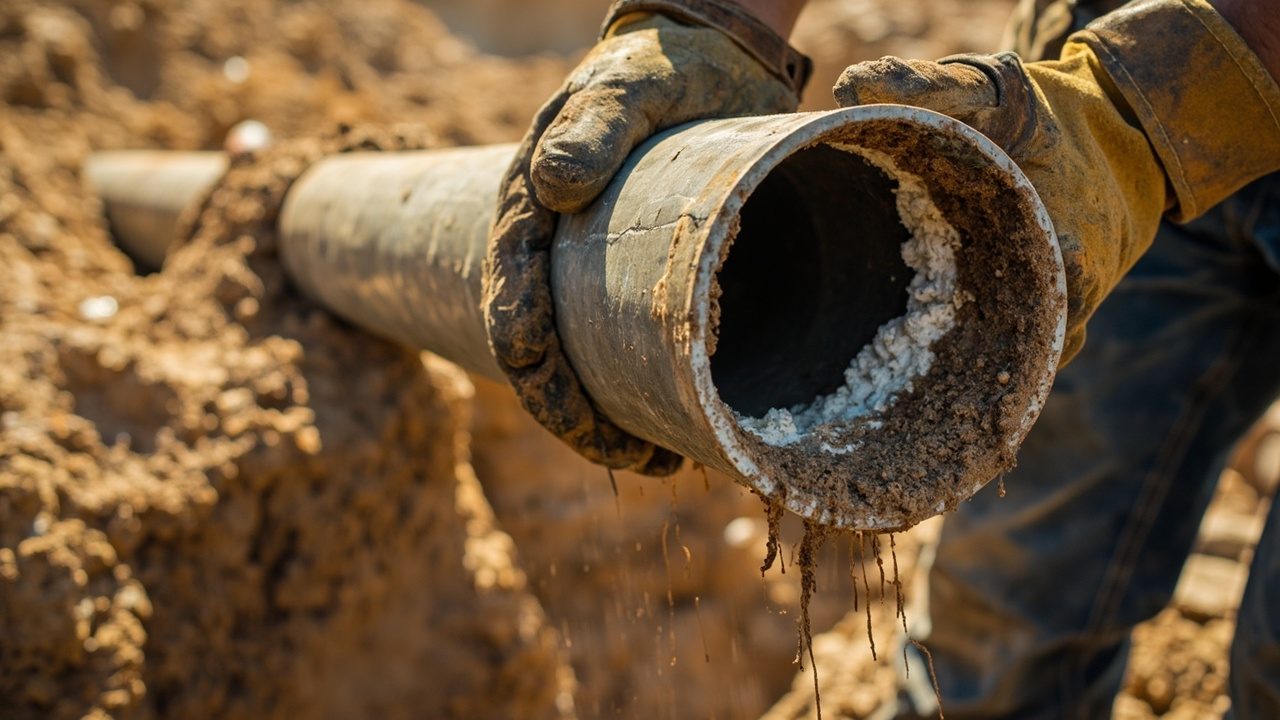
The sequence follows where the water is going. On a storm sewer maintenance visit we start at the inlet and read what comes out of it. Sand and gravel mean sediment has been building since the last cleaning and the basin was the restriction. Roots, pipe fragments or a solid plug mean the fault sits in the run. Next, water goes into the upstream inlet while we watch the next structure downstream. Flow that disappears between two structures puts the fault in that one segment, so the work stays inside it and no other surface gets opened. We clear the segment with hydro jetting, then send a drain camera with a locator through it from a cleanout or an open basin. The order matters, because a full line shows nothing but water and the camera needs a clear pipe to see the walls.
The camera reading decides the scope. Continuous fall to the discharge, clean joints and pipe walls visible along the whole run means the line is sound, and the answer is a cleaning schedule matched to how fast sediment refills the basin. Standing water part way along a level run means a belly, and a belly holds silt every storm however often it is jetted, so that run gets re-laid to correct slope. Roots at a joint mean the repair belongs at that joint, so only that joint gets dug as long as the pipe on either side looks sound. The locator then gives a position and a depth at the surface, which sets how much pavement opens and whether the job is a spot dig or a run. How many times the line has been cleared before matters as much as the picture, since a repeat clearing with the same finding is a maintenance cost that a repair would end.
Where a low corner or a below-grade drain cannot fall to the storm line by gravity, a sump pump has to lift the water, and that is where selection decides the outcome. Heavy summer storms here send a short, hard burst of runoff, so the pump is sized on horsepower against the vertical lift plus the pipe run it has to push through, and sized for the burst. A cast iron body sheds heat better than thermoplastic, which counts for a pump that runs continuously through a storm. A battery backup secondary pump matters more than extra horsepower when the outage and the storm arrive together. Where the line itself is failing, lining against open cut decides. Lining cures a new pipe inside the old one and needs a host pipe that is still round, while open cut restores full diameter and lets you correct slope. Caliche hardpan slows a trench in this metro, which pushes toward lining when the camera shows a round pipe with sound fall, and a belly pushes the other way, toward open cut.
See diy vs. professional drain cleaning for how the related work is scoped and priced.
Narrow this to two options before calling, then ask which one suits the house.
| Option | The numbers a buyer weighs | Best suited to |
|---|---|---|
| Sump pump selection | Sized by horsepower against the vertical lift plus pipe run it has to push through | Basements with a real lift to the discharge |
| Tank water heater against tankless | A tank is judged on capacity in gallons and its first hour rating | Households with long back to back hot water use |
| Cast iron drain against PVC or ABS | Cast iron is heavy and quiet and corrodes from the inside over decades | Drain replacement under a finished house |
| Salt softener against a salt free conditioner | An ion exchange softener removes hardness minerals and needs salt and a drain | Hard water houses weighing salt against upkeep |
How a storm drain call runs
First call and first look
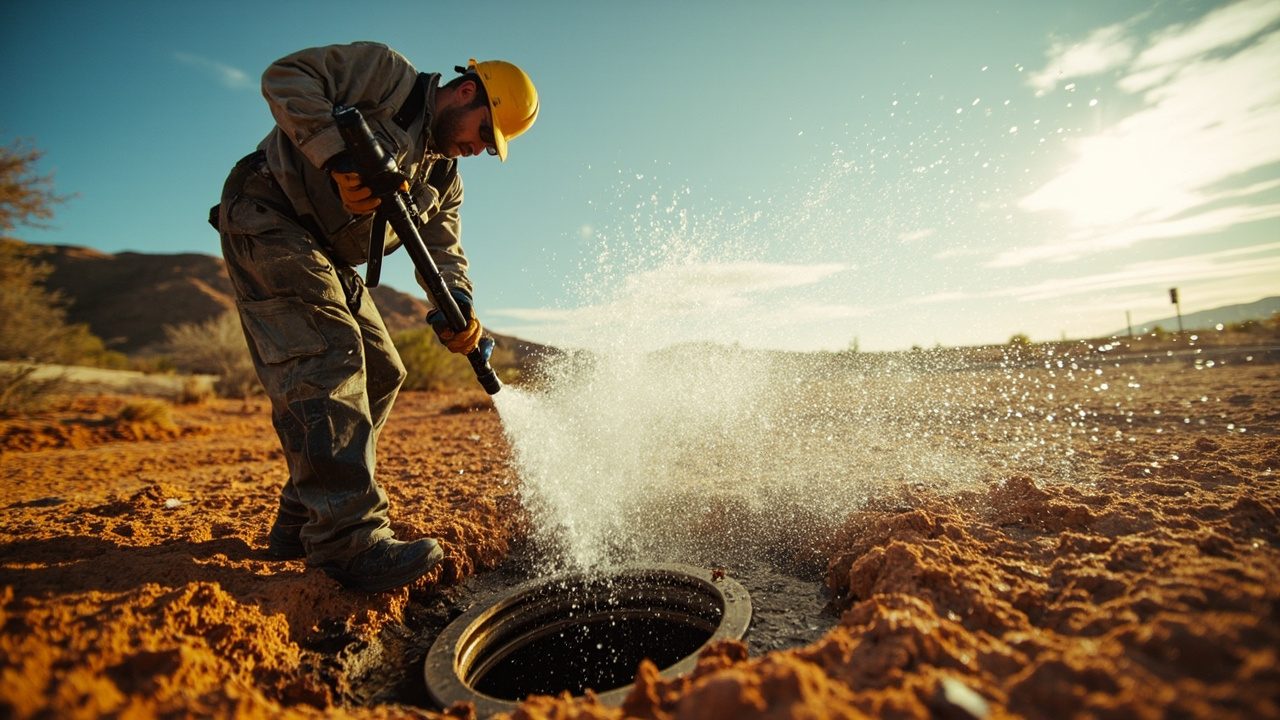
On the phone you describe the drainage pattern and timing during storms, and whether a drain inside the building gurgles during wet weather. On site we start at the inlet and read the sediment, then run water into the upstream inlet and watch the next structure downstream, which places the fault between two structures. You see the basin cleared and the run jetted, then the drain camera with a locator goes in from a cleanout. The locator marks the blockage location and elevation, and the footage plays on the screen for you before any scope is written.
Approval and the work
Once you approve the written scope, the segment gets isolated first, with upstream flow held back so water does not run into the open work. Then comes the operation the camera called for. That means hydro jetting and catch basin cleaning on a sound line, a joint repair where roots got in, or a re-lay where a belly holds water. Pavement is cut only over the marked position. If the opening shows more than the camera did, such as a second cracked joint or a soft pipe wall, we stop and show you before going further, and the change goes into the scope for your approval.
Test and handover
Before we leave, the camera goes back through the same segment from the same cleanout, and the pipe has to show continuous fall with no standing water, the same reading the scope was built on. Then water goes in at the upstream inlet and has to reach the downstream structure without pooling along any level run. We walk you through the footage and the locator depth. You keep the written findings and the footage as a record for the property file, a lender or an underwriter.
Why desert runoff changes how storm drain work gets planned
Permits on storm line work sit with the authority for the property, and which authority that is depends on whether the site is inside the city or out in the county. Cleaning a basin, jetting a run and swapping a grate like for like usually need no permit, while a full run replacement usually does, and the final call belongs to that authority. We ask before any dig starts, since a commercial lot with the pavement already open is the wrong place to learn a permit was needed.
A crew used to steady rain schedules storm drain cleaning after ponding shows up. Here the water arrives in short, heavy bursts, so cleaning has to come before the storm, because a basin already packed with sand and gravel has nowhere to hold the first surge. A second common miss is treating the basin as the whole job. Jetting sediment out of one structure and pushing it downstream leaves it sitting in the run, and the first storm plugs the next inlet instead. Storm drain cleaning service done properly clears the basin by removal, jets the run, and checks the result on camera at the structure below.
A third miss is a scope that stops at the surface. A grate that drains again after cleaning can still sit on a run with a belly or a cracked joint, and a crew that leaves without a camera pass hands you the same call after the next storm. The reading that separates the cases costs a few minutes of camera time, and skipping it costs a second mobilization.
El Paso County covers a wide valley and mesa area, and storm calls cluster because one storm reaches many lots at once. Calls sort by whether water is at a building door or in a drain inside the building, and those go first. Scheduled cleanings are booked ahead of the heavy storms so a basin is empty before the runoff arrives.
Your local utility, El Paso Water, publishes service and water-quality information every El Paso homeowner should know.
Working with Bedrock Plumbing El Paso on storm drain jobs
When someone arrives
You call and we ask where the water stands, how long it stays after rain stops, and whether any drain inside the building gurgles during storms. Those three answers sort the job into a same day visit or a scheduled one ahead of the next storm. The person who takes your call gives you the arrival window on that call, and the same person phones if the job ahead of yours runs long, so you can hold a gate or a tenant for the right stretch. After hours response covers water at a door or a backed up floor drain.
Protecting the lot surface
Before a grate comes up, cones and barriers close the working area and the pavement around the basin gets covered. Sediment, trash and root debris go into containers as they leave the basin, so nothing is washed across the lot or into the next inlet. Jetting water is controlled at the structure being worked. Everything is hauled off the property. The last steps are running clean water through the line to confirm it drains, setting the grate back and sweeping the area.
What moves the scope
Access sets the scope first. A run under pavement or a slab takes more to reach and restore than one beside a planter. Depth and length of any excavation come next, along with what has to be cut or moved to get to the pipe. One joint repaired sits well below a whole run replaced, and the camera decides which. Matching old pipe material, the grade of pump or grate, and after hours dispatch also raise the scope. You get a written scope built from the footage, including what happens if the opening finds more, and nothing starts until you approve it.
How technicians are signed off
A new technician rides with a lead on storm and drain calls before working alone, and the lead signs off on running the camera from a cleanout and reading the locator depth against the surface. Code changes are studied as a group when the adopted cycle updates. On a run that shows a belly or a collapsed section, a second technician reviews the footage before a scope is written, so the decision to dig rests on two sets of eyes.
You Have Questions,
We Have Answers
Plumbing contractors with hydro jetting equipment and a drain camera clean storm drains on commercial lots. Vacuum trucks pull packed sediment out of catch basins, and jetting nozzles clear the pipe behind them. A crew that only scoops the grate leaves the debris downstream. Ask any contractor whether they remove the material from the property and whether they inspect the run afterward. Those two answers separate a real cleaning from a surface rinse.
Drain cleaning cost depends on the line, not a flat rate. A short lead pipe reached from a cleanout takes less time than a long run under a slab. Heavy roots or hardened sediment need more passes with a cutting head. Adding a camera inspection adds time but also documents the pipe. Ask for a written scope that names the access point, the method, and the return-pass verification before agreeing to anything.
Repair cost tracks how much pipe has to be exposed and restored. A single cracked joint under a planter is a small dig, while a bellied run under a parking bay means cutting and patching pavement. Pipe depth, material matching, and surface restoration add to the total. Lining often costs less than trenching when the host pipe is still round. The camera finding decides which route applies, so quotes made without footage are guesses.
Clean basins at least once a year, and inspect them after every heavy storm. Sediment settles fastest at the low inlets, so those need attention first. A basin holding more than about half its depth in packed sand has lost most of its storage. Lots with trees near the run or a history of repeat clearings need shorter intervals. Track each visit so the pattern shows when refill speeds up.
The property owner is normally responsible for storm drains on private land, while the public authority maintains street drains. A lot's inlets, lead pipes, and runs up to the connection point usually belong to the owner or the association managing the site. Leases sometimes shift maintenance to tenants, so read that clause. Check the recorded site plan to see where private ownership ends.
Remove the grate, then vacuum or shovel the sediment out of the basin and bag it for disposal. Flush the outlet pipe with a hose and watch whether water drains steadily. Never rinse debris into the pipe, because it settles at the first low point and plugs the next inlet. Wear gloves and boots, and keep clear of traffic. A run that stays wet after flushing needs a jetter and camera.
Professional cleaning is worth it when the problem sits past the grate. A jetter with a nozzle rated for the pipe size scours walls that a hand snake only punches through. A camera then confirms whether the pipe is clean or damaged. A snake leaves a narrow channel through a plug, and the rest of the debris refills that channel within a few storms. Recurring backups justify the professional pass.
No single average holds up, because cost follows access, pipe length, and how much debris is inside. A basin with easy grate access is a short visit, while a long run with a bend and a locked cleanout takes longer. Camera work, disposal of hauled material, and after-hours timing all move the total upward. Ask for the method and the verification step in writing so quotes compare fairly.
Kitchen and main lines in commercial buildings usually need jetting once or twice a year, depending on load. Restaurants with grease need shorter intervals, sometimes every few months, because fat coats the pipe wall and narrows it. Slow drains, gurgling, or odors mean the interval is too long. Offices with light use can stretch to longer gaps. A camera pass shows how much buildup returned between visits.
A plunger or a hand auger clears a soft, close blockage fastest. Seat the plunger fully over the opening and work it with steady strokes. For a clog past the trap, feed an auger until it meets resistance, then rotate it to hook the plug. Chemical openers can heat and damage older clay or cast iron joints, so avoid them. Repeat clogs point to a deeper fault.
How runoff sediment and caliche change storm drain work in El Paso
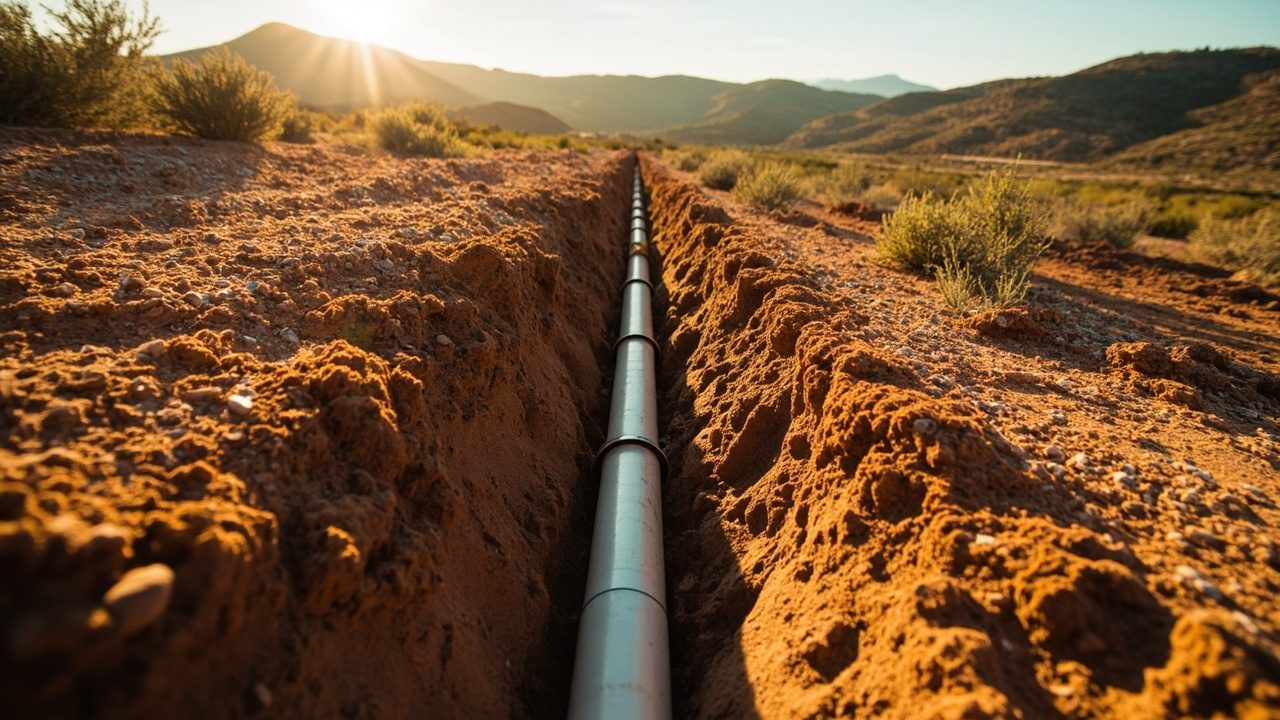
Two soils meet in this county, and they call for different work. The mesas and foothills are sandy and gravelly with layers of caliche hardpan, which slow trenching and turn a shallow repair into a longer dig, so excavation gets scoped on time and equipment as well as pipe length. The river valley has finer alluvial soils that hold more water, so a trench there stays wet and the pipe bedding has to be built firm before pavement goes back. Water also collects in low streets, dips and the flat valley floor, which loads a storm line already working hard. Runoff off the mountains through arroyos and channels drops sand and gravel at the first slow point. That is why sediment is heaviest in inlets at the low end of a lot, and why those basins go first on a cleaning list.
Where a permit applies, the local authority sets the inspection stages, and the usual point is before the trench is closed. Pipe, joints and slope are checked while they are still exposed, so the sequence runs dig, expose, inspect, then backfill and restore pavement. Knowing that up front changes when the paving crew gets called. For the owner, documentation carries weight. Camera footage, the locator depth and the written scope give a lender, an underwriter or a board a record of the line's condition, and ponding against a building wall becomes a liability question when no record exists. Work can be phased across budget cycles, with basins first and a run repair scheduled once the camera has shown where it sits. Treated wastewater in this metro is reused for irrigation and aquifer recharge, and a portion is released to the river. Debris from a basin goes into containers and off the property, and wash water stays out of the street.
Plumbing Services in The El Paso Area
Explore our service area and locate Bedrock Plumbing El Paso with ease. We're proudly local and serve the surrounding neighborhoods with fast response and honest pricing. Use the map to check our coverage area, or call us and we'll confirm in seconds.
Address:
Bedrock Plumbing El Paso, 221 North Kansas St, Suite 700, El Paso, TX, 79901
Additional Services We Offer
- Apartment Complex Plumbing
- Commercial Backflow Prevention & Testing
- Commercial Kitchen Plumbing
- Commercial Plumbing Contractors
- Commercial Repiping Services
- Commercial Sewer Line Repair
- Commercial Toilet & Urinal Repair
- Commercial Water Heater Systems
- Grease Trap Cleaning & Pumping
- Hydro Jetting Services
- Industrial Pipe Repair
- Medical & Dental Gas Plumbing
Lifting leaves and trash off a grate from dry pavement is a job for your own maintenance staff. It stops at anything past the grate, meaning a basin already packed, a run that stays wet, or a drain already backed up past a cleanout. We do not regrade or resurface pavement. If the camera shows the fault is the slope of the lot itself, we say so on the first visit and tell you which trade handles it.
Know where the water stands and how long it lingers once rainfall ends. Note which inlets are slow and whether a floor drain inside gurgles during a storm. Find the cleanouts and any site plan showing the storm run, and pass along the maintenance history of the line. Tell us whether the lot is occupied while we work.
Last reviewed September 2026 by Dave Parker, Owner.