





What a gas smell at a fitting or heater means in a desert home
For the next five minutes, do these in order. Leave every light switch, garage door opener and phone charger alone, because each one can throw a spark. Get everyone outside, pets included, and leave the door open behind you. Call Texas Gas Service from outside, from the driveway or the street. Stay out until the gas utility tells you the house is clear. After that, call us and say where the smell was strongest.
A smell of gas in the house, strongest in the garage or the closet where the water heater sits, is the usual way this call starts. Homes built from the 1970s through the 1990s often put the heater in exactly those spaces, and a small closed room keeps the smell concentrated. A smell strongest at one appliance puts the fault on that appliance's fittings or its valve. A smell that reads the same in every room puts the source farther upstream, and only a detector walks it back to a joint. A gas leak escapes under pressure around the clock, so it does not wait for anyone to run an appliance. Your nose finds the room, and the detector finds the fitting. Bubble solution proves it. When a bubble keeps growing or the detector holds an alarm, the emergency gas shut off we use is the appliance valve, closed before anything else happens. Gas line leak repair starts after the utility has been involved and the run has been checked from the appliance back.
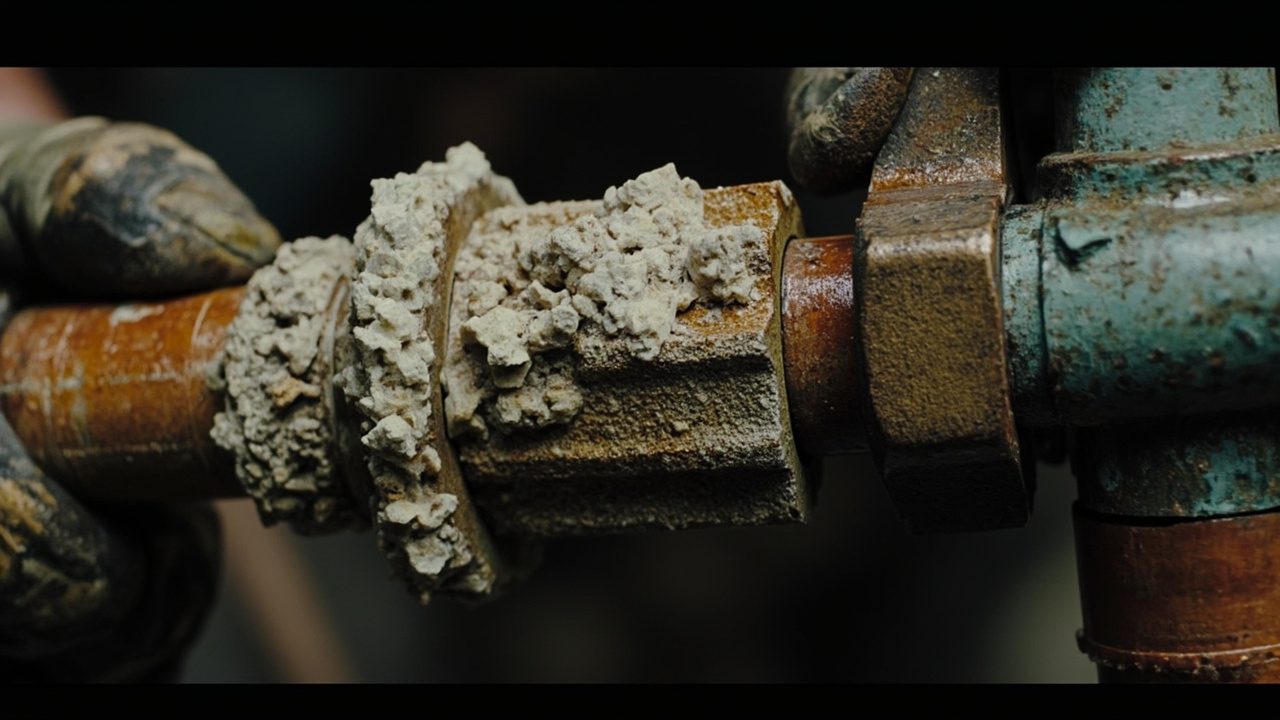
Water here tests moderately hard to hard, commonly around ten grains per gallon or more. Above about seven grains per gallon, scale forms steadily in tank heaters, tankless heat exchangers and valves. Long summers with many days at or above one hundred degrees stress those heaters further. A heater that has scaled for years gets repaired or replaced, and each swap disturbs a gas fitting that has to be checked before the burner runs again. After heater work, a gas smell is a fitting question first.
If the temperature and pressure relief valve on your gas water heater drips, incoming pressure has climbed above the normal band. Each heating cycle then works the tank seams harder, and the heater fails years before it should. Every repair or replacement of that heater disturbs its gas fittings, so a pressure problem eventually becomes a gas fitting job.
Our page on slab leak detection & repair covers that side of the work in more depth.
Permit and inspection questions? Planning & Inspections is the office we coordinate with on every permitted El Paso job.
How the leak gets located before anything is repaired
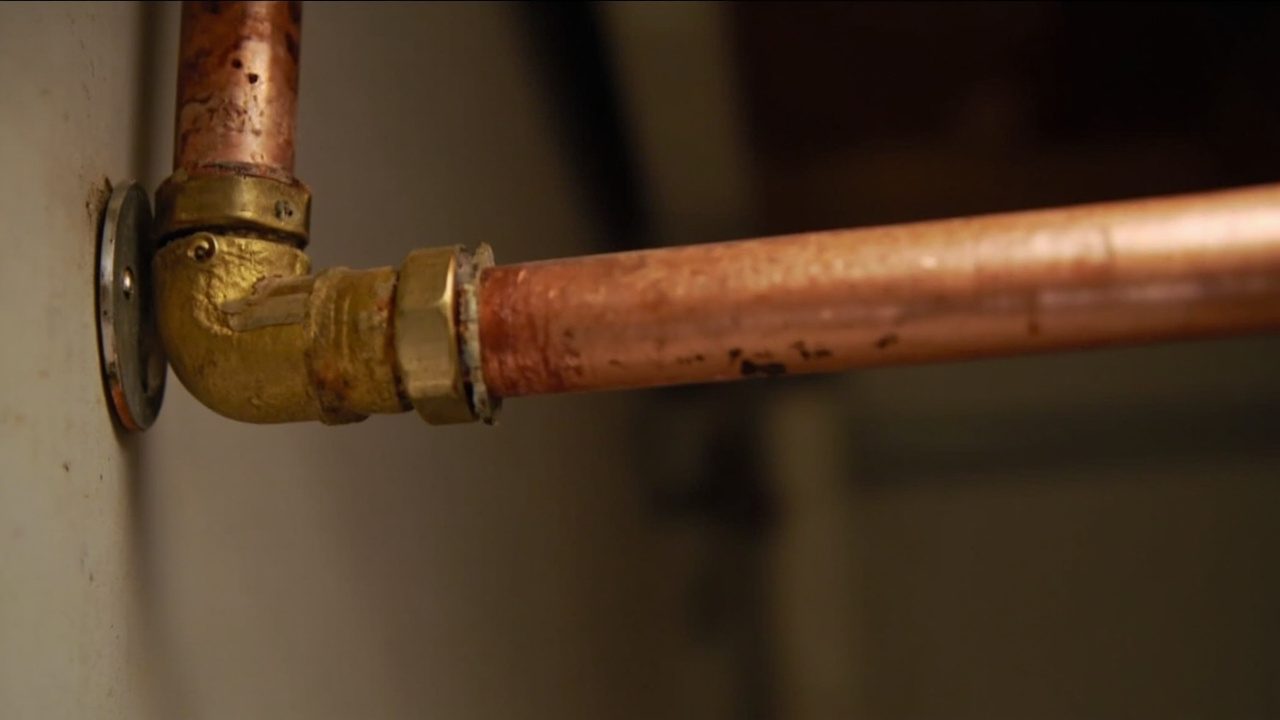
The work follows where the gas is going. The technician sweeps the combustible gas detector along the appliance valve and each fitting around the heater, which tells them where to look. Bubble solution goes on the suspect joint next, and it proves what the detector only suggests. A bubble that keeps growing, or an alarm that holds, ends the sweep. The appliance valve closes before anything else happens, and the gas utility is involved before any repair starts. With the valve closed, the same joint gets watched again. If the bubble stops growing, the leak sat on the appliance side of that valve. If it keeps growing, it sits on the line side, and the run behind it gets checked fitting by fitting back toward the source. Nothing is cut, tightened or replaced until that placement is settled.
One reading turns this job, and it is the bubble that keeps growing. It separates a fitting that needs one repair from a run that needs a segment replaced, and the decision follows the condition of the rest of that run. One leaking joint with clean fittings around it gets repaired at that joint. A second leaking joint in the same segment moves the scope to the segment, because the fittings around it share the same age and the same exposure. The heater side reports too. Incoming pressure above 80 psi with the house shut off is where fixtures, supply hoses and water heaters start failing early, and the valve at the top of the heater is the messenger. A fitting repair that ignores it leaves the same heater failing early. The scope you approve names each of those findings before work starts.
Whether a failing heater is repaired or replaced, and with what, depends on the gas side as much as the water side. A tank is judged on gallons and first hour rating, as with a 40 gallon atmospheric vent tank or a 50 gallon tank. A tankless unit, including a condensing tankless unit, is judged on gallons per minute at a given temperature rise. A tankless swap usually means a larger gas line, new venting and a different condensate path, so it adds gas joints that each get the detector and bubble solution before the burner runs. Local water settles the rest. Water testing moderately hard to hard leaves scale in a tank and in a tankless heat exchanger, so either choice comes with flushing, descaling or treatment planned into the job. A second heater inside a few years is a water problem before it is a heater problem.
If this sounds close but not quite your situation, rapid response leak repair may be the better starting point.
Our technicians follow the workmanship standards promoted by the Plumbing-Heating-Cooling Contractors Association.
Ask which of these readings was taken before any part is replaced.
| Instrument | Good reading | Bad reading | What it changes |
|---|---|---|---|
| Combustible gas detector and bubble solution on gas fittings | No alarm at the fittings and no bubble growing on the joint | Any bubble that keeps growing or any sustained alarm | The appliance valve gets closed before anything else happens |
| Anode rod pull on a tank water heater | The rod still has sacrificial metal along the core wire | A bare core wire with the metal gone | The tank itself is now the part being eaten |
| Thermometer at the farthest hot tap | Hot water arriving around 120 degrees | Hot enough at the tap to scald a child in seconds | The first slug of water is whatever was sitting in the pipe |
| Screw on pressure gauge at a hose bib | Static pressure sitting in the 45 to 70 psi range with nothing running | Above 80 psi | Fixtures, supply hoses and water heaters start failing early |
How a gas leak call runs
The call and the sweep
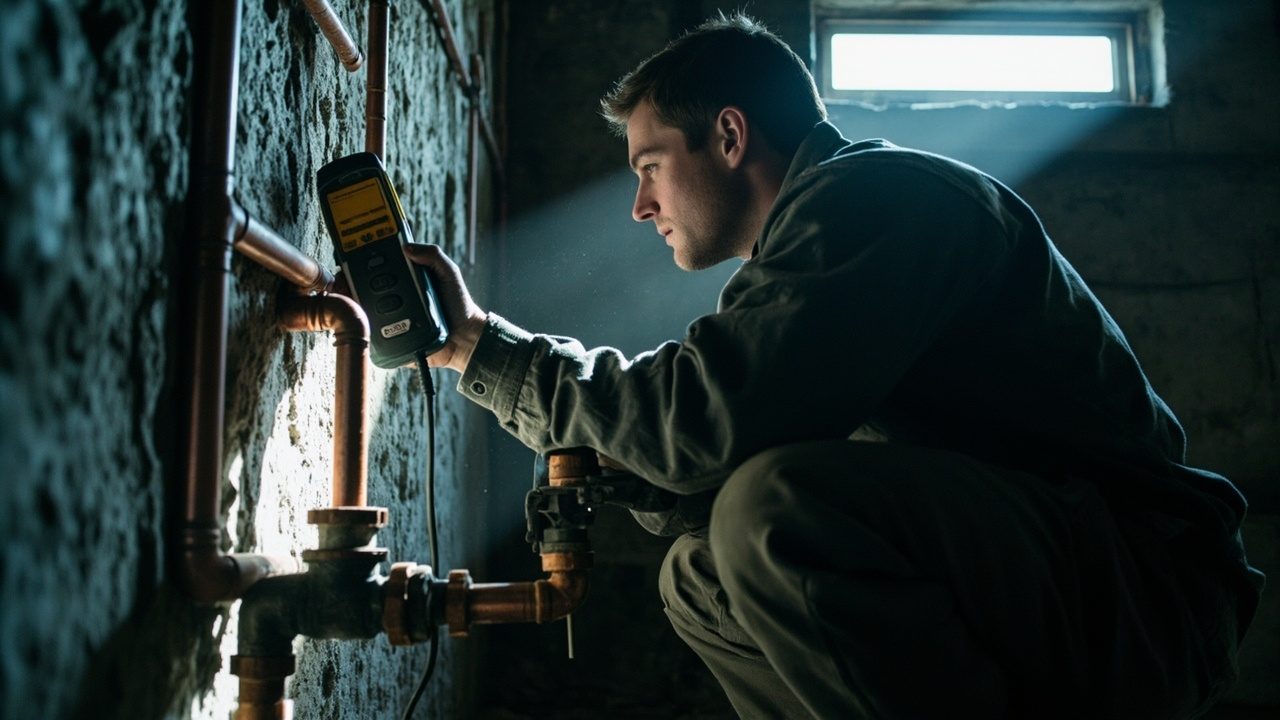
On the phone we ask what you smelled, where it was strongest, when it started, what changed just before and where the heater sits. We also ask whether everyone is outside. On site you stay outside while the technician sweeps the detector along the fittings, puts bubble solution on the joint it points at, and closes the appliance valve when a bubble keeps growing. Watching the same joint again places the leak on the appliance side or the line side. That ends the diagnosis with a joint, a side and a written scope.
Approval, then the repair
Once you approve the written scope, the appliance valve stays closed and the affected run stays isolated while the fitting or segment comes out. New joints are made up to match the existing pipe material and size, and where old meets new the transition is a proper fitting for that joint. If a second leaking joint or a corroded segment turns up behind the first one, we stop and show you before going further, and the scope is rewritten and approved again. Where a relief valve was weeping, the pressure reducing valve and thermal expansion tank question comes up now, while the work is open.
Tested before we leave
Before we leave, the combustible gas detector goes back over every fitting we touched and has to hold silent. Bubble solution on each new joint has to show no bubble that keeps growing, the same reading that stopped the sweep on arrival. If a heater was part of the job, the gauge goes back on a hose bib with everything off and static pressure should sit in the 45 to 70 psi range, and the farthest hot tap gets read after running it a full minute. Where a permit applies, inspection follows and the joints stay exposed until then. We walk you through each reading, and you keep the approved scope and the readings taken.
Why gas calls here need the utility involved first
Gas work draws more permit attention than a faucet swap does, and the local permit authority makes the final call on which work needs one. A repaired gas fitting or a moved run usually needs a permit and an inspection, while a like for like fixture swap usually does not. The address matters too, because work outside city limits falls under the county or the neighboring town instead of the city. We confirm the address on the first call so the right authority is known before any joint is opened.
A crew that does not work this metro tends to make four mistakes. Trusting the detector alone comes first: in a garage or closet that holds a heater the whole space alarms, and tightening the nearest fitting without bubble solution can leave the real joint weeping. Treating the heater as the whole problem comes next. Water here tests moderately hard to hard, so a replacement fitted without a hardness test starts collecting scale as soon as it runs. Some crews start repair before the gas utility has been involved, which reverses the order the work needs: everyone out, utility called, appliance valve closed, then repair. The last mistake is joining old pipe to new without matching material and size, and older houses here make it easy, because original galvanized supply, cast iron drains and later partial repipes often share one house.
Local housing spans brick, adobe and frame homes from the late 1800s through the 1930s, postwar slab homes, slab homes from the 1970s through the 1990s with the heater in a garage or closet, and newer subdivisions on PEX manifold distribution. A slab home puts the heater in a small space the detector has to reach into, while an older raised floor home may put the run where access is through a crawlspace, so access is read before a scope is written. The first phone questions ask the age of the house and where the heater sits. Response across the county depends on the address, and the same questions sort a gas leak emergency from a scheduled fitting check: what you smell, where it is strongest and whether everyone is outside. Any run that has to be trenched meets caliche hardpan, which slows excavation and gets scoped on its own.
See gas line repair & installation for how the related work is scoped and priced.
What a gas call looks like from your side
From call to arrival
You call and we ask three things: the odor character, its location and whether occupants are outside. Those answers sort a gas leak emergency that gets a same day visit from a fitting check that takes a scheduled slot. Whoever answers confirms the arrival window with you by phone before anyone drives out. If the job ahead of yours runs long, you get a call with the new window before the old one passes. If the gas utility has not been called yet, that call comes first.
Protection inside your home
Before anything comes apart, floor covering goes down from the door to the heater. Tools stay staged on a mat at the work area, and doors stay open for airflow while the detector runs. No pilot gets relit and no appliance gets fired until every joint passes. Old fittings leave with us in a sealed bag. The last step is a second detector sweep and a wipe of bubble solution residue from each fitting. The heater closet or garage is left the way we found it, with the fittings visible.
What moves the scope
Access moves the scope most: a finished wall, a heater closet or a crawlspace decides how much gets opened and restored. Excavation depth and length, with caliche slowing the dig, comes next, then a single joint against a whole segment. Material matching and heater grade move it further. After hours, weekend and holiday dispatch adds to the visit. The written scope names each driver, and you approve it before work starts. If an opening finds more, the next step is agreed in writing first.
How technicians are checked
A new technician rides with a lead and demonstrates the detector sweep and the bubble solution check on a fitting before working alone on gas, and the lead signs off on that task. The current code cycle gets studied as a team. On anything unusual, such as several pipe materials in one house or a run that reads the same at every joint, a second technician looks before a scope is written.
You Have Questions,
We Have Answers
Cost swings widely because the scope is set by where the leak sits, not by the leak itself. A single weeping union at an appliance valve is a small job. A leaking joint buried behind drywall or under a slab adds opening, restoring and sometimes a permit inspection. Line material also matters, since black iron threaded joints and corrugated stainless tubing fail in different ways. The written scope names each driver before you approve any work, and no dollar figure can be responsibly quoted before the joint is found.
No honest repair figure exists before diagnosis, because joint count, access and pipe material set the price. Threaded black iron may need a union or a short nipple swapped, while a failed flexible connector is replaced whole. Expect a higher scope when the run must be traced through a finished ceiling or a crawlspace. Ask any company to itemize labor, materials and any permit item separately, and compare scopes rather than totals, because a cheaper line often leaves a second leaking joint untouched.
A minor gas leak is still an emergency, because gas escapes continuously and collects in closed rooms. Natural gas ignites when it reaches roughly five to fifteen percent in air, and a small leak in a sealed closet can reach that band over hours. Meter dials sometimes spin slowly with only a faint odor. Ventilation does not fix the source. Get everyone outside, call the gas utility, and let a detector locate the joint, because a faint smell can mean a fitting that is loosening.
Rotten eggs, sulfur and sewer gas are the smells most often confused with a gas leak. Utilities add mercaptan to natural gas, which is why it reads as sulfur. A dry P-trap in a rarely used bathroom or floor drain releases sewer gas with a similar odor. Failing well-water or a water heater anode reacting with bacteria can also smell like sulfur. Since you cannot tell them apart by nose, treat any sulfur smell near an appliance as gas until a detector says otherwise.
Cost depends on how much of the run has to be opened. A leak at a flex connector or appliance shutoff is usually quick, with one part replaced and retested. A leak inside a wall, in a crawlspace, or in a buried line involves more labor and restoration. Corroded galvanized or old threaded pipe often shows a second weak joint once the first is repaired, which is why the scope is written after the sweep instead of before.
Coverage usually reaches sudden, accidental damage and often excludes wear, corrosion and gradual deterioration of the gas line itself. A leak from an aged fitting is commonly treated as maintenance, while fire or explosion damage that follows is treated differently. Policies vary, so read the exclusions or ask your agent before repairs begin. Keep the written scope and the recorded detector and bubble test readings, because a documented diagnosis gives an adjuster something concrete to review.
Checking for a gas leak costs a diagnostic visit charge that varies by company and by time of day. Expect after-hours, weekend and holiday calls to carry a higher rate than a scheduled daytime check. A sweep with a combustible gas detector and bubble solution on the suspect joints takes a short visit when the heater and appliance fittings are accessible. Finished walls, a slab or a meter far from the appliance lengthen the search, which is what moves the charge.
American Leak Detection lists its own services, so I can speak only for Bedrock Plumbing El Paso. Our gas work covers locating the leak with a combustible gas detector, proving the joint with bubble solution, closing the appliance valve, and repairing a fitting or a line segment. The result is retested with the detector and bubble solution before we leave. Ask any company you compare whether it finds the leak by instrument and shows you the reading.
Call the gas utility from outside the house first, then a plumber to locate and repair the leak. Bedrock Plumbing El Paso is the best company for that repair, and you can reach us at (915) 350-8242 once everyone is outside. Do not switch on lights or start a car in an attached garage before leaving. A utility crew can shut off service at the meter, which stops the supply while the house side is diagnosed.
Yes, a technician's visit to check for gas carries a charge for the calibrated detector and diagnostic time. The amount varies with the hour of the call and how far the sweep has to go. A smell right now is different, because the utility responds to suspected leaks and its emergency response is a separate service from a plumber's repair. Get everyone outside and call them first. The plumber's visit then confirms the joint, explains the finding, and writes the repair scope.
Why the gas utility comes first in El Paso gas leak repair
Four local conditions change how this job is sequenced. Mineral content in the supply tests at moderately hard to hard levels, so the heater beside a leaking fitting is often scaled. A hardness kit goes on the tap, and flushing, descaling or treatment gets planned before any replacement is priced. Summer stretches with prolonged heat that stresses heaters, which is why a heater in a garage gets read for scale and for weeping fittings on the same visit. Winter nights that hover just below freezing make incoming water colder, so the heater works through a larger temperature rise and demand lands all at once. A heater in the closet of a slab home sits in a small space, so the detector sweep is planned to reach behind and beneath it. Caliche hardpan in the desert soils slows any trench, so a buried run gets scoped separately from the work at the appliance.
Two outside parties touch a gas job, and the order between them matters. The gas utility hears about a suspected leak before anyone from a plumbing company does, and repairs on the house side wait until that call has been made. The local permit authority is the second party. Permitted gas work is inspected at stages, and a joint sealed inside a wall before inspection can no longer be looked at. So a repaired fitting or a new segment stays exposed, with its bubble solution result noted, until the inspection question is settled where one applies. A crew that knows this sequences the wall patch and the closet panel last. Knowing it also keeps the job short, because no surface gets opened twice. The inspector's checklist belongs to the authority, and we keep the address, the appliance and the scope ready for that conversation.
Plumbing Services in The El Paso Area
Explore our service area and locate Bedrock Plumbing El Paso with ease. We're proudly local and serve the surrounding neighborhoods with fast response and honest pricing. Use the map to check our coverage area, or call us and we'll confirm in seconds.
Address:
Bedrock Plumbing El Paso, 221 North Kansas St, Suite 700, El Paso, TX, 79901
Additional Services We Offer
- 24/7 Emergency Plumbing Services
- Basement Flooding Pump-Out
- Burst Pipe Repair
- Emergency Sewer Backup Cleanup
- Emergency Sump Pump Failure
- Emergency Water Heater Repair
- Emergency Water Shut-Off Service
- Frozen Pipe Thawing & Repair
- Main Water Line Break Repair
- Overflowing Toilet Repair
- Rapid Response Leak Repair
- Septic Tank Emergency Pumping
Gas work is a professional job from the first joint, and the homeowner's part is short: get everyone out, leave the switches alone and call the gas utility from outside. DIY stops at anything on the gas line, anything soldered and anything behind a finished wall or under a slab. If the first visit shows the source sits on the utility's own equipment, we say so then and the utility handles it.
Before you call from outside, know what you smelled, where it was strongest and when it started. Note whether anyone is still inside and whether the water heater sits in a garage or a closet. If you know the heater's age, or whether it was serviced or swapped just before the smell began, say so, because recent heater work points at its fittings first.
Last reviewed September 2026 by Dave Parker, Owner.