




What a toilet that refills all night means in your El Paso home
A faint hiss from the bathroom after the house has gone quiet, or a tank that refills by itself a few minutes after the last flush, is a toilet that runs. It sits on the supply side of the system. Supply water is pressurized, so it leaves through a leaking flapper or over the top of the overflow tube whether anyone is home or not. Your water bill can climb month after month with nothing wet to point at.
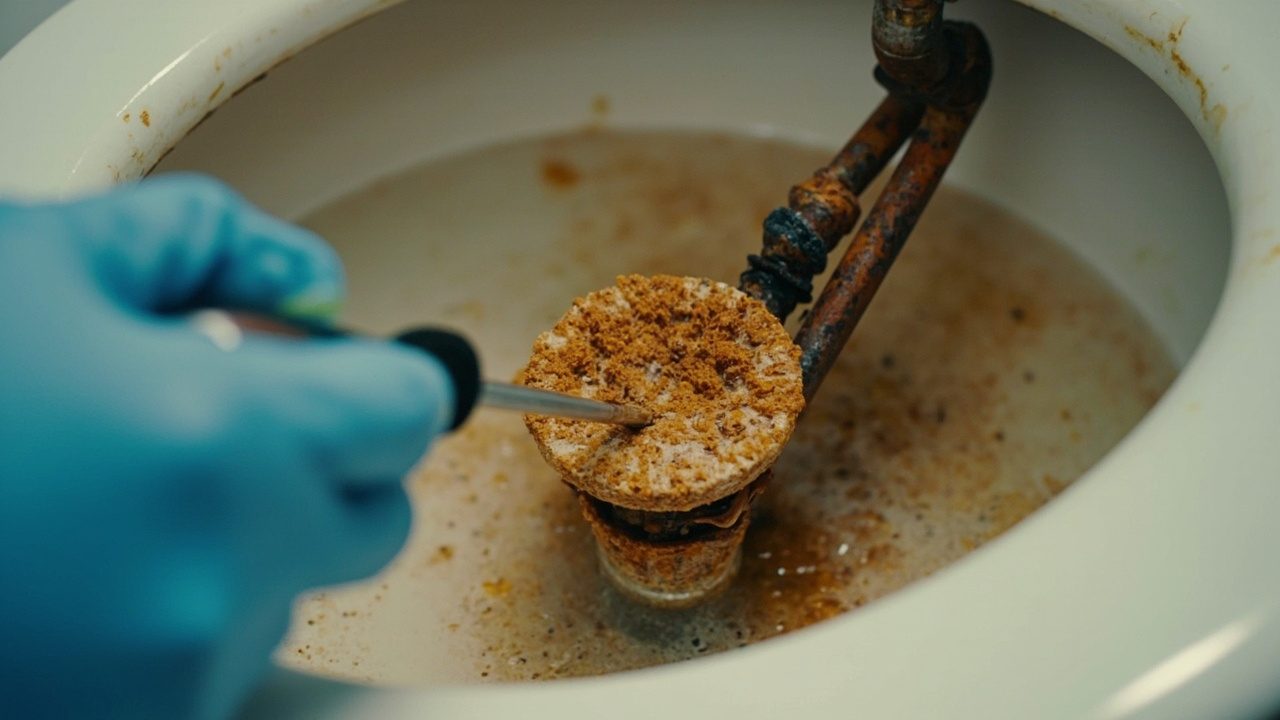
Running water rarely announces itself, because it drops straight into the bowl and down the drain. The floor stays dry and the overflow tube carries the spill away silently, but the meter keeps turning. The water here is moderately hard to hard, so scale collects on the flapper seat and inside the fill valve. A scaled seat no longer lets the flapper close flat, and a fill valve gritted with scale shuts late or not at all. Older homes add rust flakes from corroding galvanized supply pipe, which lodge in the same valve. That combination explains why a new flapper sometimes quiets a tank for a short time before the hiss returns.
A clogged toilet gives a different clue. When only the toilet drains slowly, the restriction sits in the trap or the closet bend just below the bowl. When the tub gurgles as the toilet flushes or water shows at a floor drain, the restriction sits on the branch or the main, and no clogged toilet repair at the bowl will clear it. A bowl that rocks, or a damp ring at the base that grows after each flush, points to the flange, where a cracked ring or a loose bolt lets the wax ring lose its seal. Water at the wall behind the tank belongs to the angle stop, and a weeping stop corrodes its compression nut until it cannot be snugged.
A toilet that runs after flushing means the flapper is letting the tank refill all night and the fill valve is cycling constantly. Once the valve wears and sticks open, the overflow carries the water away with no sound and no puddle. The longer a leaking flapper goes unchecked, the more water moves through the system and the greater the strain on the fill mechanism. If your tank refills when nobody has flushed, call today rather than wait for that valve to fail.
Our page on overflowing toilet repair covers that side of the work in more depth.
Plumbing code in most jurisdictions traces back to the Uniform Plumbing Code maintained by IAPMO, it's the rulebook behind our permit work.
Find the sign you have, then read across to see whether it can wait.
| Symptom or first sign | What is already happening | What it becomes if ignored | When to call |
|---|---|---|---|
| A toilet that runs after flushing | The flapper lets the tank refill all night and the fill valve cycles constantly | The valve wears and sticks open with the overflow carrying it away unnoticed | This week, while it is still one part |
| An anode rod eaten away | The steel tank becomes the sacrificial metal | Rusty hot water arrives first and a split tank arrives after | This week, while it is still one part |
| A hairline supply leak behind tile | The framing stays damp | The pipe repair turns into a wall rebuild | This week, while it is still one part |
| Incoming pressure above the normal band | The relief valve on the heater starts weeping | The tank seams work harder every cycle and the heater fails years before it should | This week, while it is still one part |
How we find the cause before we quote a toilet repair
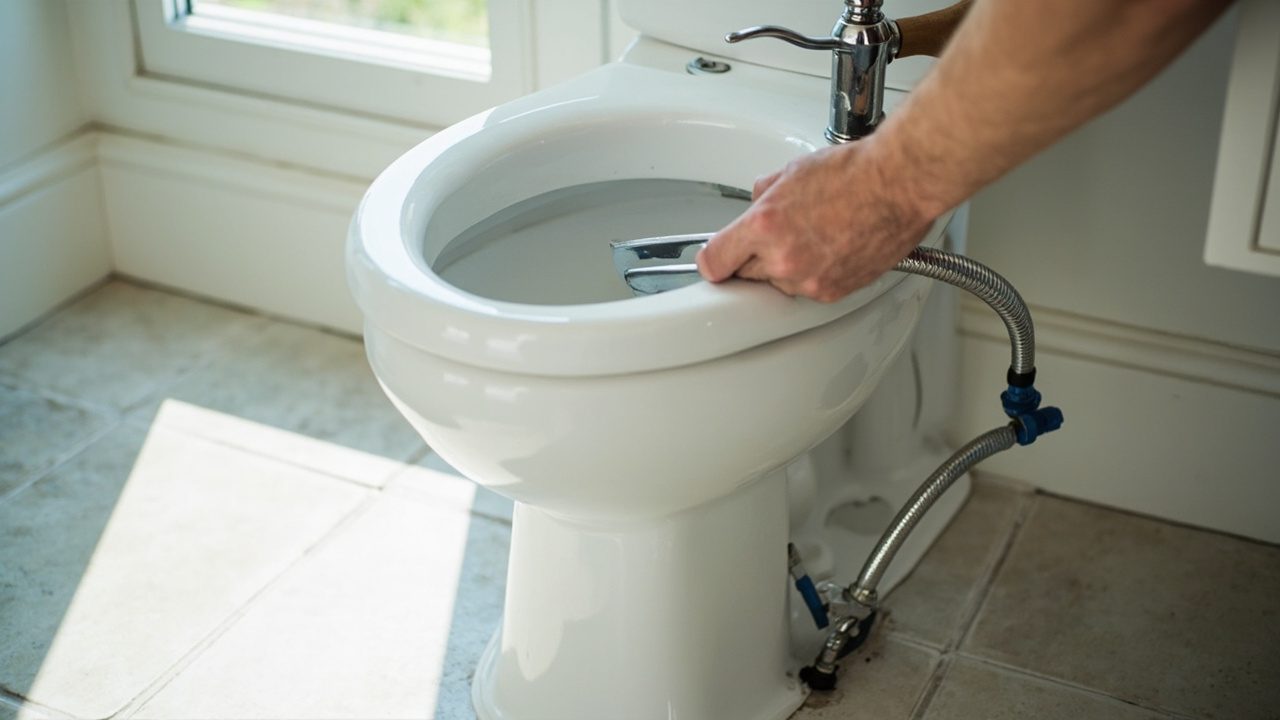
The sequence follows the water. Every fixture in the house goes off, including the washer and the ice maker, and the meter's dial or small leak wheel gets watched for fifteen minutes. Any movement with the whole house off means water is leaving the system somewhere you cannot see. Next the angle stop under the toilet closes and the meter is watched again. A wheel that stops puts the loss in this toilet. A wheel that keeps turning sends the test back to the meter with the stop reopened and the main shutoff closed, and movement with the main closed puts the leak on the street side, outside any toilet job. Only after the loss is placed does the tank lid come off, and the flapper seat, the chain slack and the fill valve get checked.
Each reading decides a fork. A wheel that stops with the toilet stop closed sends the job to the tank, where the choice is a running toilet fix with a new flapper and fill valve, or a toilet replacement when the tank or bowl itself has cracked. A flapper seat pitted by scale keeps leaking through new rubber, and that may point to replacement as well. A wheel that keeps moving with the stop closed but stops with the main closed puts the loss on another fixture branch, and the toilet stays as it is. The third reading comes when the bowl is lifted. A flange that is solid, free of corrosion and level with the finished floor takes a new wax ring and fresh bolts, which is the whole of a new toilet installation. A cracked or rusted flange needs toilet flange repair before any bowl goes back down, and a second wax ring stacked over a low flange seals only until the bowl shifts.
Beneath the flange sits the closet bend, and its material decides how far a flange repair can reach. The local condition that decides is the age of the drain under the floor. Postwar slab homes here run cast iron under the slab, while houses from the 1970s through the 1990s carry ABS or PVC. On a sound cast iron bend the repair happens at the flange, since breaking a slab to replace a bend for one toilet is out of proportion to the fault. Where the iron has corroded from the inside until the flange bolts hold nothing, the repair is a plastic replacement joined with a no hub band, because glue has nothing to bond to on iron. Where the drain is already ABS or PVC, the flange is part of a glued assembly and the bend usually stays in place.
See commercial toilet & urinal repair for how the related work is scoped and priced.
Your local utility, El Paso Water, publishes service and water-quality information every El Paso homeowner should know.
Narrow this to two options before calling, then ask which one suits the house.
| Option | The numbers a buyer weighs | Best suited to |
|---|---|---|
| Cast iron drain against PVC or ABS | Cast iron is heavy and quiet and corrodes from the inside over decades | Drain replacement under a finished house |
| Trenchless lining against open cut replacement | Lining cures a new pipe inside the old one with a small loss of inside diameter | Runs under a slab, a drive or mature trees |
| Sump pump selection | Sized by horsepower against the vertical lift plus pipe run it has to push through | Basements with a real lift to the discharge |
| Salt softener against a salt free conditioner | An ion exchange softener removes hardness minerals and needs salt and a drain | Hard water houses weighing salt against upkeep |
How a toilet repair call runs
Phone questions and meter test
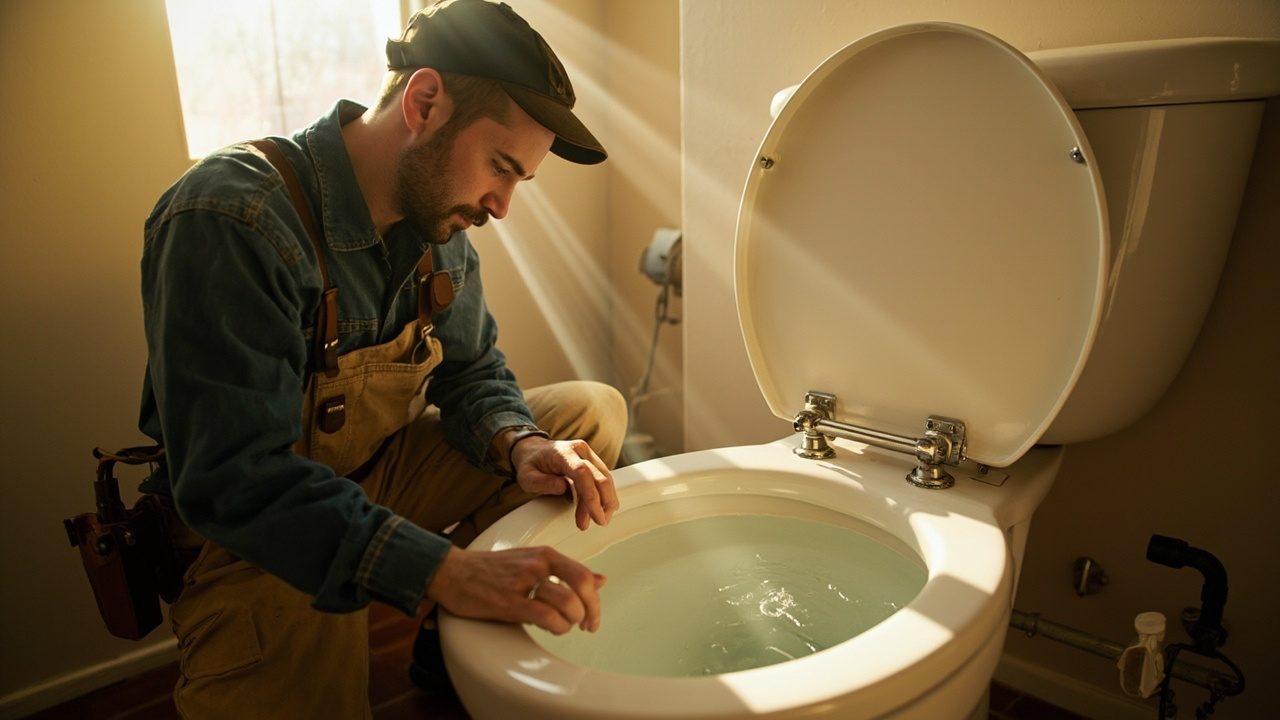
On the phone we ask when the sound started, whether the floor is wet, and whether the house sits on a slab or a raised floor. On site, everything in the house goes off and the meter gets read for fifteen minutes. You see the angle stop under the toilet close, then the meter watched again, and the main closed if the wheel keeps turning. The tank lid comes off next for the flapper seat and fill valve. The bowl stays on its flange until the meter has placed the loss, so nothing is unbolted on a guess.
Approval, then the repair
Once the scope is approved, the angle stop closes and the tank drains before the supply line comes off. The bowl lifts straight up, the old wax ring is scraped away, and the closet flange gets checked for cracks, corrosion and height against the finished floor. Toilet flange repair, or a no hub band transition on a cast iron bend, happens before the new wax ring seats. If a soft subfloor or a cracked bend turns up under the bowl, we stop and show you before going further. The bowl then goes down level and the bolts are tightened alternately.
Meter and flush check
Before we leave, the meter goes back under the same fifteen minute test from the first visit, every fixture closed, and the dial or leak wheel has to hold still. The toilet is then flushed repeatedly while we watch the base and the angle stop for any weep, and the fill valve is set so the tank stops at the water line and the flapper seats without a hiss. You get a walkthrough of what was replaced and what the flange and bend looked like, and you keep the written scope you approved, marked with any change found once the bowl was up.
Why toilet work here depends on what is under the floor
A like for like toilet swap on a sound flange usually needs no permit, while work that alters drain piping, such as a closet bend replacement, usually does. The office covering your address makes the final call, which is why the address is one of the first things we ask on the phone. Calls come from across the county, and the age of the house can change from one street to the next.
An unfamiliar crew makes predictable mistakes in older local houses. A plastic replacement gets glued straight onto a cast iron closet bend, and the adhesive cannot form a seal on bare metal, so the joint seeps into the subfloor. Bolts are cranked down on a corroded cast iron flange, the ring snaps, and the bowl rocks on the floor. A fill valve gets swapped without a word about the water, scale settles on the new seat, and the hiss returns. And a wrench goes onto an old angle stop with a corroded compression nut that cannot be snugged, so the stop snaps off in hand and the room takes the full supply.
The first phone questions set what goes on the truck. The age of the house, slab or raised floor, and whether the bowl sits over cast iron or plastic tell us which closet bend to expect, and whether a no hub band and a flange repair go with the crew. Older houses on raised floors leave the drain reachable from below. On a slab, any fix happens at the floor, and the surface around the bowl is the part that takes planning. Cast iron bends corrode from the inside out, and a bend that looks solid from above may be paper thin where it matters. Plastic bends can fracture if they were ever exposed to direct sunlight before installation. The water supply line routing also changes with the house age and construction type, and knowing that before the crew arrives means the right tools and fittings travel with them, not a second trip.
More detail on gurgling toilet sounds is on its own page.
Independent standards matter too, the EPA's WaterSense program sets the efficiency benchmarks we use when recommending replacement fixtures.
What toilet work looks like from your side
When someone arrives
You call and we ask four things: whether water is reaching the floor, whether the tank refills when nobody has flushed, whether other fixtures are slow, and how old the house is. Water on the floor, or a tank still refilling all night, gets a same day slot when one is open, and a base that only seeps after a flush goes on the schedule. You leave the call with the arrival window in hand. If the job ahead of yours runs long, we phone you as soon as the window moves.
Floor and fixture protection
Before anything comes apart, drop cloths go down from the bathroom door to the toilet, and the angle stop gets closed. The tank is drained and the bowl sponged dry, so no water is carried across the floor. A rag goes into the open flange while the bowl is off, which keeps sewer gas out of the room. The old toilet leaves on cardboard, wax residue is scraped from the floor, and the last thing we do is wipe the base and supply line dry so a new weep would show.
What moves the cost
Access sets the scope first, so a toilet on tile or over a slab takes more to open than one on a raised floor. Next comes one repair against replacing the run, decided by the flange and closet bend rather than today's leak, then matching old cast iron to new plastic. The grade you pick moves the number directly, from a basic fill valve and flapper up to a full new toilet, and after hours dispatch adds to it. The written scope follows diagnosis, and you approve it before work starts, including what happens if the opening finds more.
How technicians earn sign off
A new technician rides with a lead and sets toilets under observation before working alone. The lead signs off on the meter test, on seating a wax ring level on a sound flange, and on a no hub band transition at a cast iron closet bend. The team reviews code updates as they come. On an unusual flange or a drain that does not match the age of the house, a second technician looks at it before a scope is written.
You Have Questions,
We Have Answers
Repair cost depends on which part failed, and no honest average exists without seeing the tank. A flapper swap sits at the low end, while a fill valve or a cracked tank pushes the job higher. Hard water shortens the life of rubber parts, so a repeat failure raises the scope. A seat pitted by scale can leak through new rubber. Tank bolts with rusted washers, and a stop valve that will not shut fully, each add labor because the water has to be isolated first.
Replacement cost moves with the toilet you choose and the condition of what sits below it. A basic round bowl costs less than an elongated comfort-height model with a concealed trapway. Rough-in distance matters, since a 10 inch or 12 inch rough-in needs a matching bowl. A corroded flange or soft subfloor adds repair work before the new bowl sets. The old unit's haul-away and a replacement supply line also enter the written scope.
Installation pricing rises with the amount of prep the floor needs and falls when the flange is sound. A clean swap needs a new wax ring, closet bolts, a supply line, and a level set. Tile that has to be cut, a flange sitting below the finished floor, or a shutoff that must be replaced first each add time. A bowl carried up stairs or through a tight hallway also adds handling to the job.
A handyman can set a toilet on a sound flange, but the job has limits that matter. Drain alterations, a cracked flange, or a cast iron bend require plumbing knowledge and possibly a permit. The risk sits in details such as bolts overtightened until the porcelain cracks, a wax ring compressed off-center, or a bowl left rocking. Check that the bowl does not shift under your weight and that the base stays dry after repeated flushes.
Replacing a wax ring costs mostly the labor of pulling the bowl, since the part is cheap. The ring comes in standard, extra-thick, and reinforced versions, and a tall or low flange decides which one seals. Reset it only once, because wax that has been compressed never reseals well. Plumbers also replace the closet bolts, and they check the flange for cracks at the same time since a bad flange ruins the new ring.
Enzyme-based drain cleaners break down organic waste slowly, and they are the safest option for a toilet. Bacterial products digest solids over several hours, so leave one in the bowl overnight without flushing. Avoid caustic lye or acid cleaners, because they can soften wax rings, damage the glaze, and produce heat inside porcelain. Hot tap water poured from waist height helps clear blockages. A plunger with a flange extension moves most soft blockages faster than any chemical.
Adding plumbing work to a toilet install raises the cost whenever pipes or fittings change. Moving a toilet means new drain routing, a new vent connection, and often a permit. Replacing the supply stop, rerouting the supply line, or converting a flange type adds parts and time. A new bathroom rough-in needs wall or slab access, which is the largest single cost driver, and the scope depends on what the floor and walls hide.
A fair charge follows a written scope that separates labor, parts, and any repair the flange needs. Ask whether the price includes the wax ring, bolts, supply line, and disposal of the old bowl. A quote that never mentions the flange condition is incomplete. Hidden rot or a corroded bend found once the bowl is lifted should come back to you as a change to approve. Compare scopes line by line, because two matching totals can hide different parts.
A fair charge for toilet repair matches the actual fault and the time needed to isolate it. Running-tank repairs involve inexpensive parts, so most of the price is labor and diagnosis. A quote given without a test of the flapper seal, the fill valve shutoff height, or the supply stop is a guess. Ask which parts get replaced and what happens if the seat or tank proves cracked. Rubber parts and fill valves are cheap, and repeated visits are not.
Why hard water and slab drains change toilet repair in El Paso
El Paso Water supplies a blend of surface water and groundwater, and the utility describes it as moderately hard to hard. Local readings commonly run around ten grains per gallon or more, and above about seven grains per gallon scale forms steadily on valves and seats. In a toilet tank that scale roughens the flapper seat and gums the fill valve, so plan on parts that wear faster. Older galvanized supply pipe corrodes from the inside, and the utility names it as the usual cause of discolored water, so rust grit reaches the same valve. Under the floor, caliche hardpan sits in the sandy and gravelly soils and slows any dig, which is why a slab side repair gets planned as a floor level job. The build era then tells us which closet bend to expect before the bowl comes up.
Plumbing work inside city limits is permitted through the city, and inspections happen at stages during construction. Outside city limits, the county or the neighboring town holds that role, so your address decides which office the work answers to. A fixture swap on a sound flange typically sits outside that process, and a flange repair or closet bend replacement that changes drain piping typically belongs inside it, with the final call theirs. Knowing that up front changes the sequence. When a repair joins new plastic to old cast iron, the no hub band joint stays exposed and photographed until it has been checked with water, and the floor is restored only afterward. Rebuilding tile or subfloor first would mean cutting it out again if the joint drew a question, so the restoration comes last.
Plumbing Services in The El Paso Area
Explore our service area and locate Bedrock Plumbing El Paso with ease. We're proudly local and serve the surrounding neighborhoods with fast response and honest pricing. Use the map to check our coverage area, or call us and we'll confirm in seconds.
Address:
Bedrock Plumbing El Paso, 221 North Kansas St, Suite 700, El Paso, TX, 79901
Additional Services We Offer
- Backflow Prevention & Testing
- Drain Cleaning & Rooter Service
- Faucet & Sink Repair
- Garbage Disposal Services
- Gas Line Repair & Installation
- Plumbing Services
- Sewer Line Repair & Replacement
- Shower & Bathtub Plumbing
- Slab Leak Detection & Repair
- Sump Pump Services
- Tankless Water Heater Services
- Water Heater Repair & Installation
Plunging a toilet, swapping a flapper, replacing a braided supply hose and closing the main shutoff are homeowner jobs. DIY stops at anything soldered, anything on the gas line, anything behind a finished wall or under a slab, and any drain already backed up past a cleanout. A meter still turning with the main closed points to the service line, a different job from a toilet, and we say so on the first visit rather than after the invoice.
Before you call, know when the hiss or the slow flush started and what changed just before it, such as a new flapper or a new supply line. Check whether the meter dial or leak wheel moves with every fixture closed, and find the angle stop under the toilet and the main shutoff. Any age you have for the house, and whether it sits on a slab, helps.
Last reviewed September 2026 by Dave Parker, Owner.